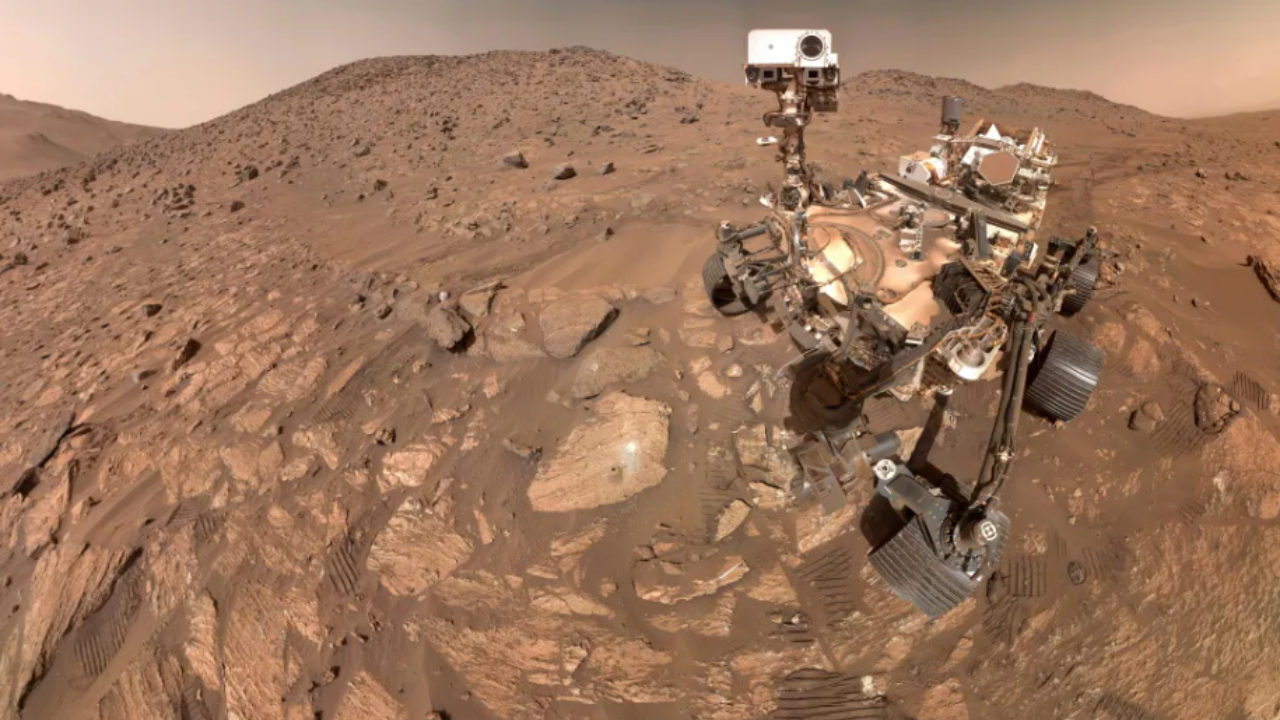
©(NASA via AP, file)
Vocabulary:
I will read the words, meanings, and sample sentences. Then, repeat after me.
- phenomenon /fi-NOM-uh-non/
[noun] – an event or fact that can be observed, especially one that is unusual or difficult to understand
Scientists studied the strange phenomenon of glowing waves appearing along the coastline. - buildup /BILD-uhp/
[noun] – a gradual increase or collection of something over time
A buildup of dust inside the computer made it run slowly. - burst /burst/
[noun] – a short and sudden increase of activity, sound, or energy
The fireworks released bright bursts of color across the night sky. - meticulous /muh-TIK-yuh-luhs/
[adjective] – showing great attention to detail; very careful and precise
The artist was meticulous when painting the tiny details of the landscape. - feasible /FEE-zuh-buhl/
[adjective] – able to be done; possible and practical
Engineers are looking for a feasible solution to reduce traffic in the city.
Article Reading:
Please read the whole article. Then, I will check your pronunciation and intonation.
Scientists reported new evidence that small electrical discharges may occur on Mars after analyzing wind recordings from NASA’s Perseverance rover. The phenomenon, described as “mini lightning,” was identified through crackling sounds captured by a rover microphone during dust storms and dust devils. A French-led research team documented 55 events over two Martian years and stated that most incidents happened on the windiest days near the rover’s tall mast. The findings suggested a notable pattern of electrical activity that had long been suspected on the planet. Experts said the discovery matters because Mars’ thin, carbon dioxide–rich atmosphere and constant dust movement create conditions that could encourage this type of electrical buildup. The study provided new background for understanding why electrical activity may appear on the Red Planet and why scientists have searched for it for many years.
Further analysis explained how the discharges formed and why they required careful confirmation. Acoustic and electric measurements indicated that dust devils produced quick bursts lasting a few seconds, while larger storms created discharges lasting up to 30 minutes. Because the atmosphere absorbs sound, the signals were weak and needed meticulous examination. An independent researcher commented that the evidence was promising, although full verification required tools designed to observe lightning directly. Scientists said the discovery may affect future missions because repeated static-like discharges could disturb sensitive equipment. Perseverance has also provided other valuable audio data, helping to broaden understanding of Martian surface conditions. NASA is currently studying feasible methods for safely returning the rover’s rock samples to Earth while evaluating cost-efficient alternatives for the mission.
Further analysis explained how the discharges formed and why they required careful confirmation. Acoustic and electric measurements indicated that dust devils produced quick bursts lasting a few seconds, while larger storms created discharges lasting up to 30 minutes. Because the atmosphere absorbs sound, the signals were weak and needed meticulous examination. An independent researcher commented that the evidence was promising, although full verification required tools designed to observe lightning directly. Scientists said the discovery may affect future missions because repeated static-like discharges could disturb sensitive equipment. Perseverance has also provided other valuable audio data, helping to broaden understanding of Martian surface conditions. NASA is currently studying feasible methods for safely returning the rover’s rock samples to Earth while evaluating cost-efficient alternatives for the mission.
Discussion Questions:
I will read each question. Then, please answer them.
- Have you ever heard unusual sounds during a storm, such as crackling or buzzing noises? If so, what did the sounds make you think or feel at that moment? If not, what kind of weather sounds would you like to experience someday?
- Have you ever learned about a scientific discovery that surprised you? If yes, what was the discovery, and why did it surprise you? If not, what kind of discovery would you like to learn more about?
- Do you agree that small electrical discharges on Mars could help scientists learn more about the planet’s atmosphere?
- Why do you think sound recordings from Mars are valuable, even though the sounds are very weak and hard to detect?
- What could happen if future rovers are not designed to handle electrical discharges on Mars?
Summarization:
Please summarize the whole article using your own words and expressions. You will have one minute to prepare before you answer.
Describe:
Please explain the definition of each word listed below based on your understanding. You can provide example sentences if needed.
- scientist
- incident
- discovery
- measurement
- analysis