Pre-reading Questions:
I will read each question. Then, please answer them.
- If you could grow your own flowers for a celebration, what colors or types would you choose, and why?
- What things do you think make an event feel special or meaningful?
Vocabulary:
I will read the words, meanings, and sample sentences. Then, repeat after me.
- sustainable /suh-STEY-nuh-buhl/
[adjective] – able to continue for a long time without harming the environment
Using sustainable materials in buildings can lower environmental impact in many cities. - vegetation /vej-i-TEY-shuhn/
[noun] – plants in a particular area
Cutting too much vegetation from hillsides can cause the soil to wash away during storms. - seasonal /SEE-zuh-nl/
[adjective] – related to a particular time of year
Many people enjoy buying seasonal fruits because they are fresher and taste better. - non-biodegradable /non-BY-oh-di-GRAY-duh-buhl/
[adjective] – not able to break down naturally in the environment
Many cities are reducing non-biodegradable plastic bags to lower waste. - homegrown /HOHM-GROHN/
[adjective] – grown locally or at home
Restaurants that use homegrown vegetables can offer fresher meals to customers.
Article Reading:
Please read the whole article. Then, I will check your pronunciation and intonation.
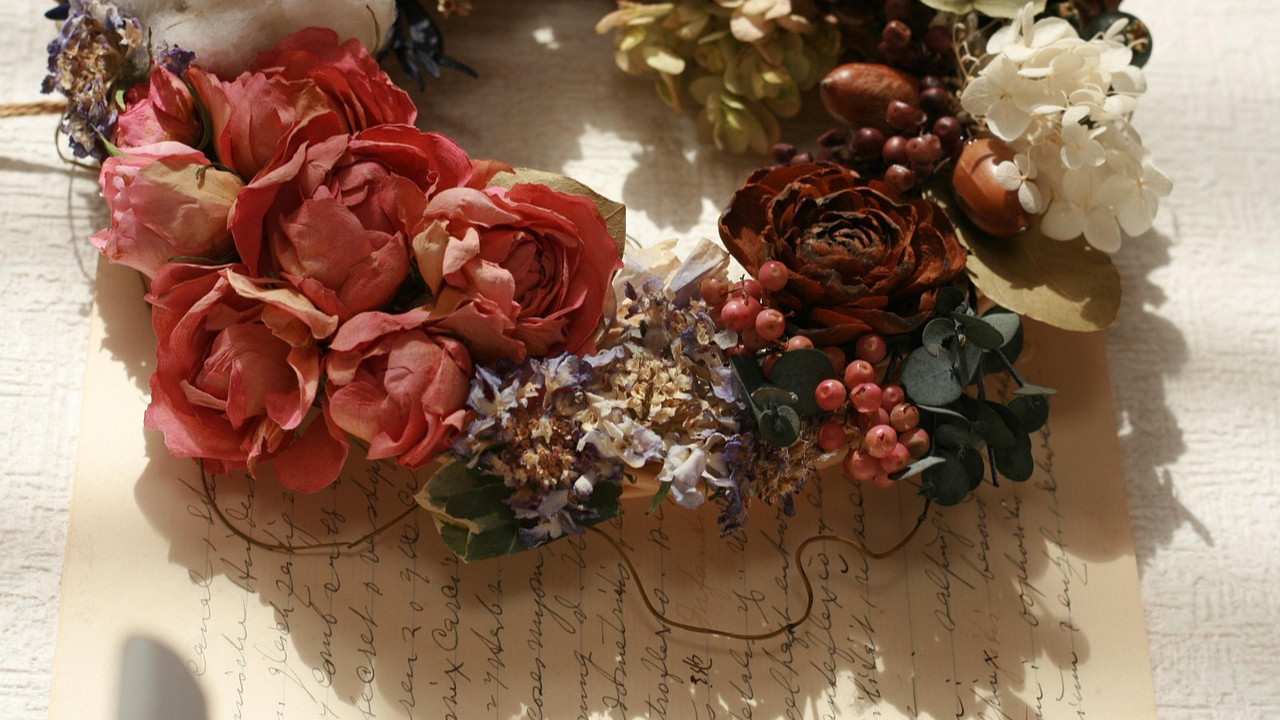
Growing interest in sustainable weddings has encouraged more couples to choose alternatives to imported flowers. An example in October in Calgary, Canada, showed how using local plants can reduce environmental impact. A bride prepared her wedding flowers in her front-yard garden after planting yarrow, feverfew, strawflowers, and statice in early spring, then drying them in midsummer. This case demonstrated what actions were taken, when the work began, where it happened, and why the decision mattered. Experts explained that many flowers used in North America are flown in from South America. Researchers said this system creates environmental concerns because long-distance transport needs fuel, refrigeration, and plastic packaging. Sustainability specialists added that some large farms rely on monoculture, which removes natural vegetation and weakens soil health.
The shift toward local and seasonal flowers is growing as younger generations look for environmentally responsible choices. Florists in several regions are changing their methods by avoiding non-biodegradable foam, composting used arrangements, and supporting small farms that follow climate-appropriate practices. Analysts reported that customers may save money by choosing homegrown or locally sourced flowers, especially when dried arrangements last longer and can be reused for other events. Industry observers stated that this approach reduces waste and builds stronger connections between celebrations and regional plant life. Sustainability advocates concluded that choosing seasonal and local flowers may influence consumer habits and create long-term benefits for communities, small growers, and the environment.
The shift toward local and seasonal flowers is growing as younger generations look for environmentally responsible choices. Florists in several regions are changing their methods by avoiding non-biodegradable foam, composting used arrangements, and supporting small farms that follow climate-appropriate practices. Analysts reported that customers may save money by choosing homegrown or locally sourced flowers, especially when dried arrangements last longer and can be reused for other events. Industry observers stated that this approach reduces waste and builds stronger connections between celebrations and regional plant life. Sustainability advocates concluded that choosing seasonal and local flowers may influence consumer habits and create long-term benefits for communities, small growers, and the environment.
Comprehension Questions:
I will read each question. Then, please answer them based on the article.
- What are more couples choosing for their weddings instead of imported flowers?
- Where did the example of using local plants for a wedding take place in October?
- What did the bride grow in her front-yard garden for her wedding?
- Why did researchers say the global flower system causes environmental concerns?
- How are florists changing their methods in different regions?
Discussion Questions:
I will read each question. Then, please answer them.
- Have you ever seen flowers used at a wedding or another celebration? If so, what did you like about the flowers? If not, what flowers would you like to see at a celebration?
- Have you ever grown plants or flowers at home? If so, how did you take care of them? If not, what plant would you like to grow in the future?
- Do you agree that reusing dried flower arrangements is a good idea?
- What good things can happen in a community when people choose local flowers instead of imported flowers?
- What simple actions can people take to make celebrations more environmentally friendly?