Vocabulary:
I will read the words, meanings, and sample sentences. Then, repeat after me.
- hypothermia /hahy-puh-THUR-mee-uh/
[noun] – dangerously low body temperature
Doctors warned that hypothermia could occur during long hikes in the mountains without proper clothing. - preventive /pri-VEN-tiv/
[adjective] – intended to stop something from happening
Travelers were advised to take preventive measures like using insect repellent to avoid mosquito bites. - snowshoeing /SNOH-shoo-ing/
[noun] – walking over snow using special wide shoes
Park rangers said that snowshoeing was safe on marked trails where avalanche risk was low. - stimulate /STIM-yuh-leyt/
[verb] – to encourage activity or development
Teachers introduced new reading materials to stimulate students’ interest in literature. - fortify /FAWR-tuh-fahy/
[verb] – to strengthen or make something more secure
Emergency teams worked to fortify flood barriers before the storm reached the coast.
Article Reading:
Please read the whole article. Then, I will check your pronunciation and intonation.
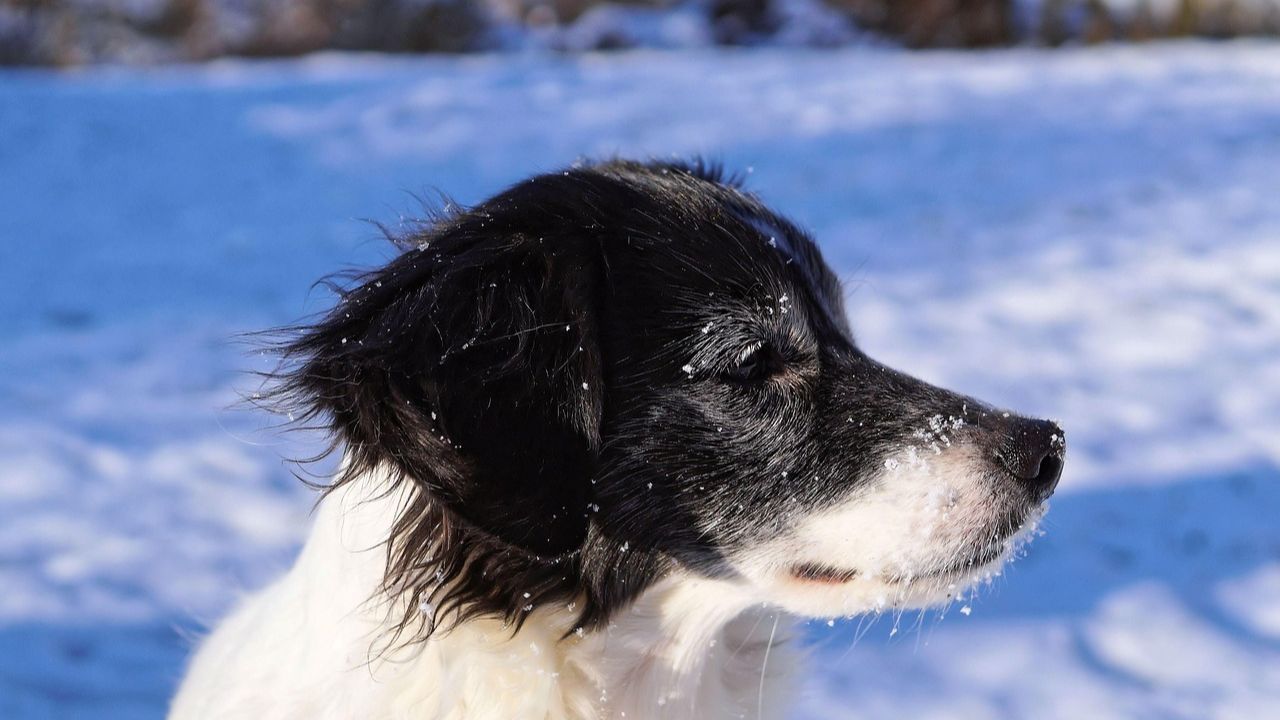
Cold conditions in many parts of the United States have increased concern about animal safety as freezing temperatures become more common. National veterinary groups issued guidance in October to explain why winter weather can threaten pets, especially in early mornings when temperatures may fall below 32 degrees Fahrenheit. Frostbite becomes possible at this point, and mild hypothermia may begin when body temperature drops under 98 degrees Fahrenheit. These data were shared to emphasize the seriousness of cold exposure and to encourage early preparation in areas affected by storms or power outages. Experts also noted that smaller animals, senior pets, and breeds with short coats face higher risk, creating a need for stronger protection during the cold season. This information aimed to raise awareness and to support evidence-based decisions for animal care.
Specialists described how winter risks can be reduced through proper equipment, controlled exposure, and preventive habits. Cleaning paws after walks and avoiding contact with de-icing chemicals can limit irritation, while insulated jackets and booties can help maintain warmth. Antifreeze remained a major threat because ethylene glycol has a sweet taste that may attract animals and lead to severe poisoning, a danger highlighted to underscore the need for vigilance. Cold-weather activities such as skijoring and snowshoeing were presented as acceptable when temperatures rise above freezing, although proper coat maintenance is necessary to preserve insulation. Indoor enrichment, including scent games and puzzle toys, can stimulate animals when outdoor activity is limited. Guidance for other species explained that reptiles require backup heat sources and that livestock may need additional feed during harsh weather. Animal-welfare organizations recommended microchipping and emergency kits to fortify safety plans and ensure rapid response during extreme conditions.
Specialists described how winter risks can be reduced through proper equipment, controlled exposure, and preventive habits. Cleaning paws after walks and avoiding contact with de-icing chemicals can limit irritation, while insulated jackets and booties can help maintain warmth. Antifreeze remained a major threat because ethylene glycol has a sweet taste that may attract animals and lead to severe poisoning, a danger highlighted to underscore the need for vigilance. Cold-weather activities such as skijoring and snowshoeing were presented as acceptable when temperatures rise above freezing, although proper coat maintenance is necessary to preserve insulation. Indoor enrichment, including scent games and puzzle toys, can stimulate animals when outdoor activity is limited. Guidance for other species explained that reptiles require backup heat sources and that livestock may need additional feed during harsh weather. Animal-welfare organizations recommended microchipping and emergency kits to fortify safety plans and ensure rapid response during extreme conditions.
Discussion Questions:
I will read each question. Then, please answer them.
- Have you ever cared for a pet? If yes, what daily routines did you follow to keep the pet healthy and safe? If not, what kind of pet would you like to care for?
- Have you ever taken special steps to protect a pet during cold weather? If so, what actions did you take? If not, what steps do you think would be important?
- Do you agree that pet owners should prepare emergency kits for animals in the same way people prepare kits for their families?
- What challenges might pet owners face when trying to keep animals safe during freezing temperatures?
- How could local communities help reduce winter risks for pets, especially during storms or power outages?
Summarization:
Please summarize the whole article using your own words and expressions. You will have one minute to prepare before you answer.
Describe:
Please explain the definition of each word listed below based on your understanding. You can provide example sentences if needed.
- safety
- temperature
- emphasize
- encourage
- season