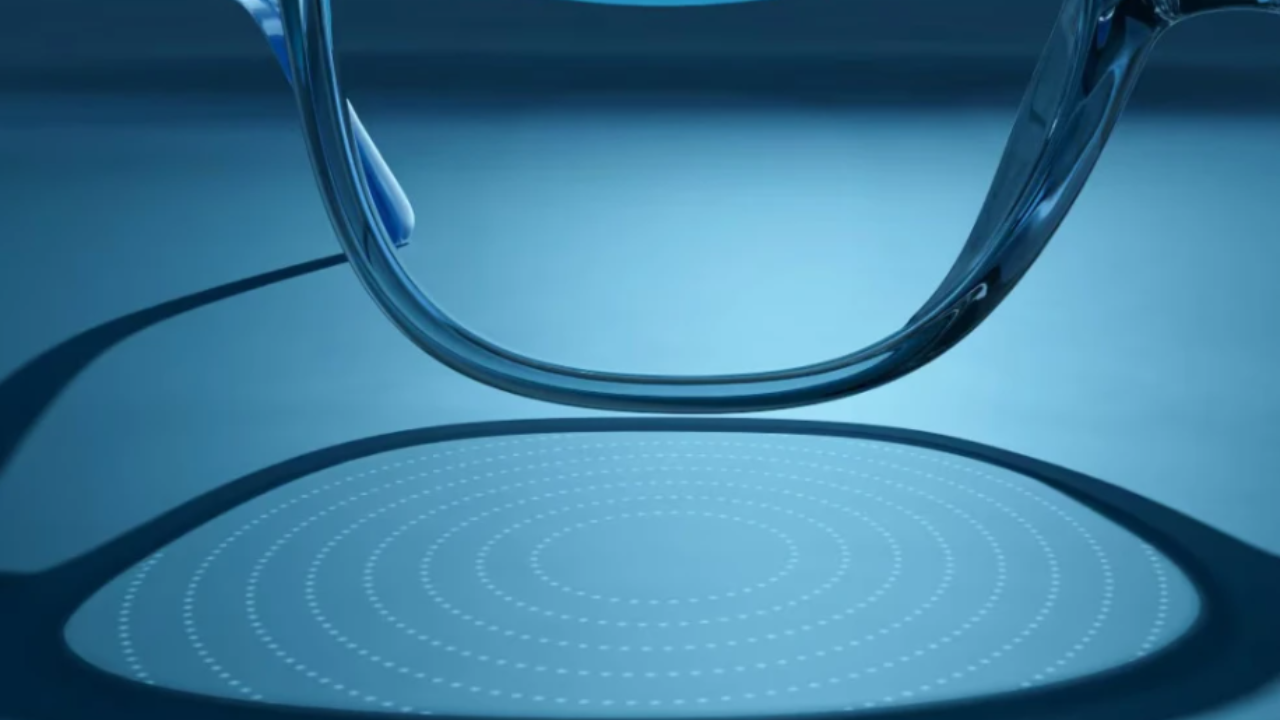
©(Luxottica via AP)
Vocabulary:
I will read the words, meanings, and sample sentences. Then, repeat after me.
- pediatric /pee-dee-A-trik/
[adjective] – related to the medical care of children
The hospital opened a new pediatric clinic to treat young patients with asthma. - progression /pruh-GRESH-uhn/
[noun] – the process of developing or moving forward over time
Doctors monitored the progression of the illness during regular checkups. - retinal /RET-n-uhl/
[adjective] – related to the retina of the eye
Regular eye exams can help detect retinal problems at an early stage. - glaucoma /glaw-KOH-muh/
[noun] – a serious eye disease that damages vision due to high pressure in the eye
Early testing can help prevent vision loss caused by glaucoma. - cataract /KAT-uh-rakt/
[noun] – a condition in which the eye lens becomes cloudy and affects vision
Surgery is commonly used to treat cataracts in elderly patients.
Article Reading:
Please read the whole article. Then, I will check your pronunciation and intonation.
A new type of eyeglass lens designed to slow childhood nearsightedness received approval from the United States Food and Drug Administration in September, marking an important development in pediatric eye care. Myopia, often called nearsightedness, reduces the ability to see distant objects clearly and has increased worldwide among children. Researchers have connected this trend to lifestyle changes, including more indoor activities and long periods spent looking at screens or books. Medical experts estimate that 30 to 40 percent of children in the United States develop myopia by the end of high school, creating a growing public health concern. Until recently, treatment options mainly corrected vision without slowing progression, which raised concern about future eye disease. Specialists have described this situation as problematic because severe myopia increases the risk of retinal damage and other complications, making early action a crucial priority.
The approved lenses use a specialized optical design that changes how light reaches the retina, a process believed to slow abnormal eye growth. Company studies reviewed by regulators showed a substantial reduction in myopia progression after two years of use. This technology may lower the risk of serious conditions such as glaucoma and cataracts, offering a significant long-term benefit for child eye health. Independent researchers in the United States are conducting additional studies to confirm results, since early findings were based on overseas data. Despite higher costs than standard glasses, experts describe the approval as a pivotal step forward globally.
The approved lenses use a specialized optical design that changes how light reaches the retina, a process believed to slow abnormal eye growth. Company studies reviewed by regulators showed a substantial reduction in myopia progression after two years of use. This technology may lower the risk of serious conditions such as glaucoma and cataracts, offering a significant long-term benefit for child eye health. Independent researchers in the United States are conducting additional studies to confirm results, since early findings were based on overseas data. Despite higher costs than standard glasses, experts describe the approval as a pivotal step forward globally.
Discussion Questions:
I will read each question. Then, please answer them.
- Have you ever had an eye check or worn glasses because of vision problems? If yes, what vision problem was found? If not, how often do you think eye checks should be done?
- Have you ever felt eye strain after using a phone, computer, or reading for a long time? If yes, what activities caused it, and what helped reduce the discomfort? If not, what habits do you think help protect the eyes during long screen use?
- Do you think spending more time indoors can increase the risk of eye problems in children?
- What role do parents or caregivers play in protecting children’s eyesight?
- Why do you think researchers continue to study the lenses even after approval?
Summarization:
Please summarize the whole article using your own words and expressions. You will have one minute to prepare before you answer.
Describe:
Please explain the definition of each word listed below based on your understanding. You can provide example sentences if needed.
- approval
- eye care
- worldwide
- researcher
- lifestyle