Pre-reading Questions:
I will read each question. Then, please answer them.
- What kinds of plants do you think are easy or difficult to grow indoors? Why?
- What problems do you think plants can have when they grow indoors?
Vocabulary:
I will read the words, meanings, and sample sentences. Then, repeat after me.
- thyme /tahym/
[noun] – an herb used for flavor or medicine
A small amount of thyme adds a strong smell to soup dishes. - extension /ik-STEN-shuhn/
[noun] – an organized service that provides education or support
University extension services provide guidance to residents on disaster preparedness. - produce /pruh-DOOS/
[noun] – fresh fruit or vegetable
The market sells local produce from nearby farms. - rot /rot/
[noun] – the process of decay caused by moisture or bacteria
Food rot can happen quickly when storage conditions are poor. - confirm /kuhn-FURM/
[verb] – to state that something is true or correct
Officials confirm the schedule change before the event begins.
Article Reading:
Please read the whole article. Then, I will check your pronunciation and intonation.
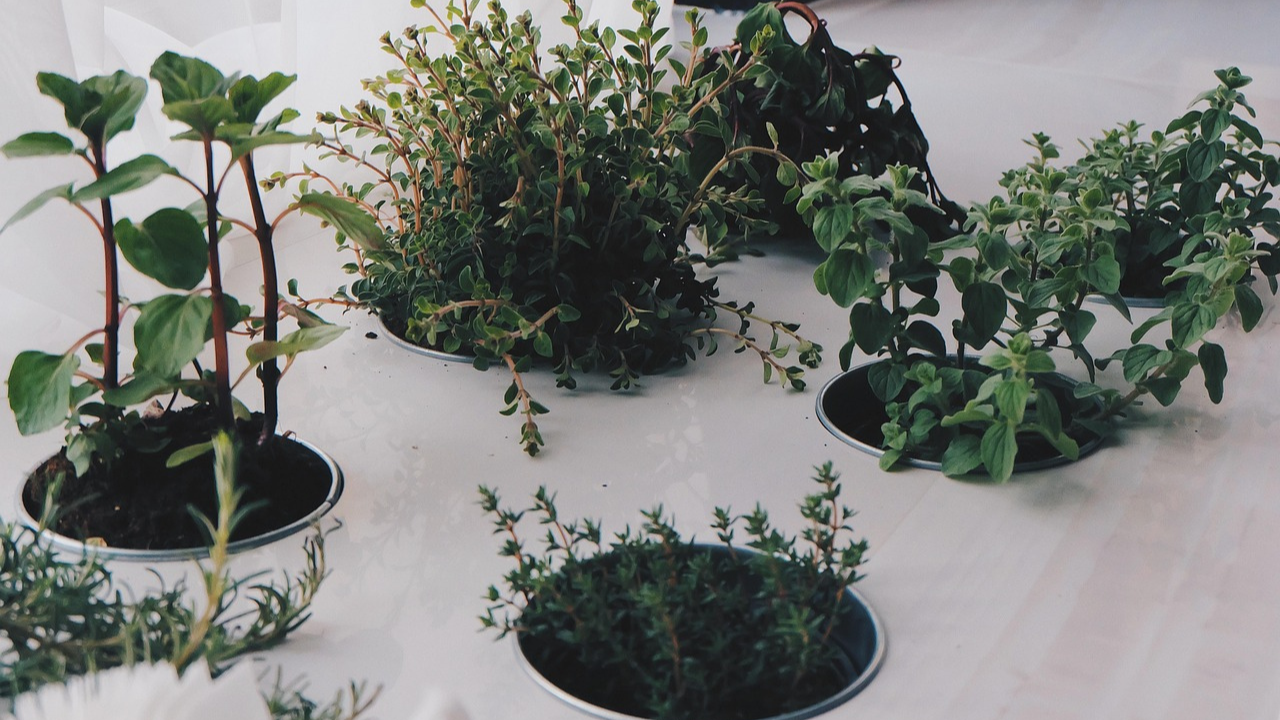
Growing herbs indoors during winter has become more common as cold weather makes outdoor gardening difficult. This practice usually happens from late autumn to early spring and takes place mainly in kitchens or living areas with natural light. Gardening specialists report that herbs such as rosemary, thyme, and oregano are better suited for indoor conditions than other types. Studies from the 2020s show that adults spend more than 85 percent of their time indoors, which has increased interest in growing food at home. Indoor herb gardening allows households to access fresh ingredients when market supply is limited or prices rise. Agricultural extension services state that small indoor gardens also help families plan food use and reduce reliance on transported produce.
Experts explain that successful indoor herb growing depends on proper care. Plants need enough light, careful watering, and well-prepared soil to stay healthy. South-facing windows are recommended to provide the strongest natural light during winter months. Recent improvements in LED grow lights have made indoor gardening easier by offering steady light for up to 16 hours a day. Proper drainage is important to prevent root rot, which remains a common problem for indoor plants. Research on container gardening shows that using well-draining potting soil can increase plant survival by nearly 30 percent. Although indoor herbs grow more slowly than outdoor plants, experts confirm that this method remains effective for year-round access to fresh herbs.
Experts explain that successful indoor herb growing depends on proper care. Plants need enough light, careful watering, and well-prepared soil to stay healthy. South-facing windows are recommended to provide the strongest natural light during winter months. Recent improvements in LED grow lights have made indoor gardening easier by offering steady light for up to 16 hours a day. Proper drainage is important to prevent root rot, which remains a common problem for indoor plants. Research on container gardening shows that using well-draining potting soil can increase plant survival by nearly 30 percent. Although indoor herbs grow more slowly than outdoor plants, experts confirm that this method remains effective for year-round access to fresh herbs.
Comprehension Questions:
I will read each question. Then, please answer them based on the article.
- Why has growing herbs indoors become more common during winter?
- When does indoor herb growing usually take place during the year?
- Where in the home are herbs usually grown indoors?
- Which herbs are reported to be better suited for indoor conditions?
- What three things do plants need to stay healthy indoors?
Discussion Questions:
I will read each question. Then, please answer them.
- Have you ever grown a plant or herb indoors at home? If so, where was the plant placed? If not, would you like to try growing a plant indoors in winter? Why or why not?
- Have you ever used fresh herbs when cooking meals? If yes, which herb was used most often? If not, what food or seasoning is used instead of fresh herbs?
- Do you agree that growing herbs at home can help save money when prices rise?
- Why might indoor herb gardening be more popular in winter than in summer?
- Why do more people want to grow food at home today?