©(AP Photo/John Locher)
Vocabulary:
I will read the words, meanings, and sample sentences. Then, repeat after me.
- invasive /in-VEY-siv/
[adjective] – affecting personal space or private life in an unwanted way
Some employees felt that daily camera checks at work were invasive. - unreliable /uhn-ri-LAHY-uh-buhl/
[adjective] – not able to be trusted to work correctly or consistently
The new public transport system was described as unreliable during peak hours. - pervasive /per-VEY-siv/
[adjective] – spreading widely and affecting many areas
Online advertising has become pervasive in daily media use. - constant /KON-stuhnt/
[adjective] – happening all the time or without stopping
The machine required constant power to operate safely. - ramification /ram-uh-fi-KEY-shuhn/
[noun] – a result or effect that follows an action, often negative
A missed deadline can have a serious ramification for the project.
Article Reading:
Please read the whole article. Then, I will check your pronunciation and intonation.
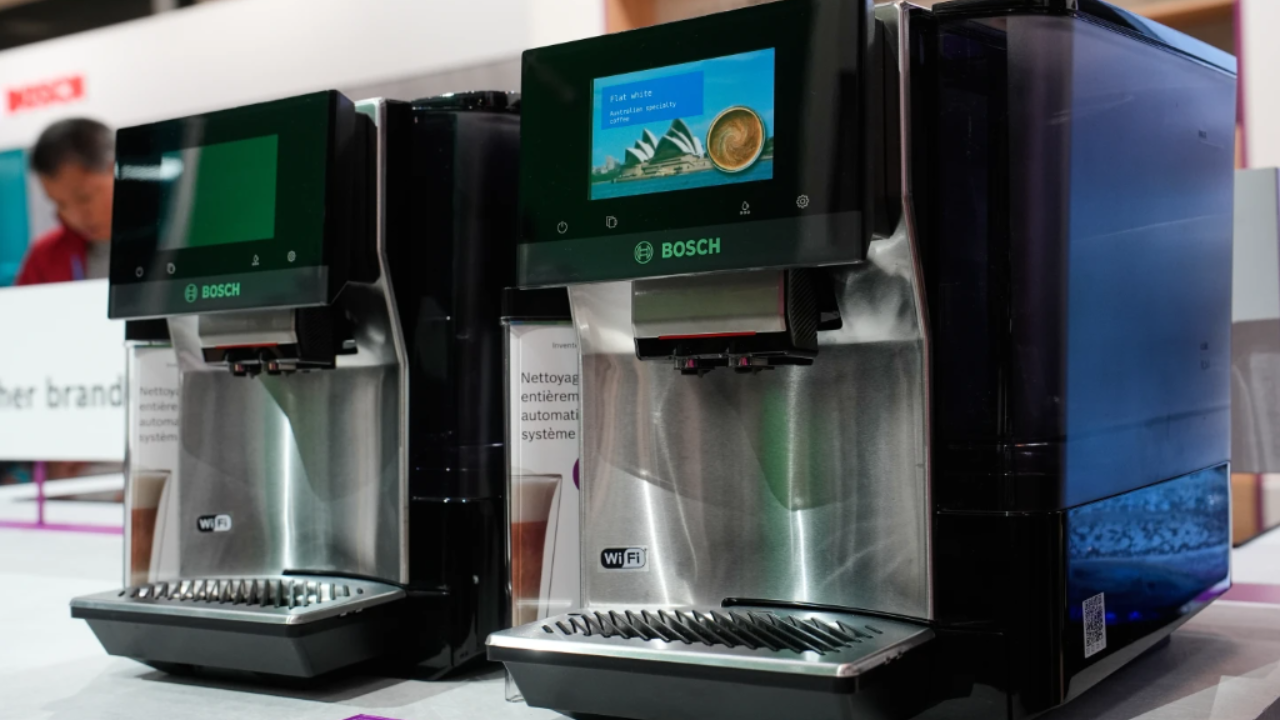
Artificial intelligence was a central theme at this year’s CES, held in Las Vegas in early January, where technology companies presented new consumer products with advanced digital features. Alongside these launches, a coalition of consumer and privacy organizations announced annual “Worst in Show” awards to highlight devices considered invasive, wasteful, or unreliable. The overall award was given to a smart refrigerator released by Samsung, which includes voice control and camera-based food tracking. Judges stated that the added functions could be detrimental to a product meant to focus on food storage. The awards were organized independently from CES by groups such as Consumer Reports and iFixit, which examined how products could affect privacy, safety, and long-term use. The announcement aimed to explain why rapid and pervasive use of artificial intelligence in household devices raises concerns.
The judges explained that the selections were based on impact, design quality, and possible risks if products become widely adopted. New features added to Amazon Ring doorbells were also criticized, with judges linked to the Electronic Frontier Foundation warning that expanded monitoring tools should be carefully scrutinized. Some experts argued that constant data collection could have long-term ramifications for consumer privacy and security. Environmental issues were also discussed, especially regarding products that include disposable electronic parts, which challenge sustainability efforts. Despite criticism, companies stated that these technologies aim to improve convenience and user experience. The organizers of the anti-awards clarified that the purpose was not to target individual brands but to encourage better design choices. The discussion reflects a broader debate about how artificial intelligence should be used responsibly as smart technology becomes more common in daily life.
The judges explained that the selections were based on impact, design quality, and possible risks if products become widely adopted. New features added to Amazon Ring doorbells were also criticized, with judges linked to the Electronic Frontier Foundation warning that expanded monitoring tools should be carefully scrutinized. Some experts argued that constant data collection could have long-term ramifications for consumer privacy and security. Environmental issues were also discussed, especially regarding products that include disposable electronic parts, which challenge sustainability efforts. Despite criticism, companies stated that these technologies aim to improve convenience and user experience. The organizers of the anti-awards clarified that the purpose was not to target individual brands but to encourage better design choices. The discussion reflects a broader debate about how artificial intelligence should be used responsibly as smart technology becomes more common in daily life.
Discussion Questions:
I will read each question. Then, please answer them.
- Have you ever used a smart device at home, such as a smart TV or smart speaker? If so, what did you use it for most often? If not, what kind of smart device would you like to try in the future?
- Have you seen a product with too many features that you did not really need? If so, what problems did those extra features cause? If not, what features do you think are enough for daily use?
- Do you agree that adding artificial intelligence to home appliances does not always make them better?
- How can constant data collection affect people’s trust in technology companies?
- How can companies balance convenience and privacy when designing AI-powered devices?
Summarization:
Please summarize the whole article using your own words and expressions. You will have one minute to prepare before you answer.
Describe:
Please explain the definition of each word listed below based on your understanding. You can provide example sentences if needed.
- artificial intelligence
- product
- organization
- safety
- quality