©(AP Photo/Dee-Ann Durbin)
Vocabulary:
I will read the words, meanings, and sample sentences. Then, repeat after me.
- appetite /AP-i-tahyt/
[noun] – a natural desire to eat food
After a long walk, the child had a strong appetite for dinner. - digestion /dih-JES-chuhn/
[noun] – the process of breaking down food in the body
Drinking enough water can support healthy digestion. - prevalent /PREV-uh-luhnt/
[adjective] – common or happening often
Online meetings became prevalent in many workplaces. - scrutinize /SKROOT-n-ahyz/
[verb] – to examine something carefully
Shoppers often scrutinize prices when buying electronics. - implication /im-pli-KEY-shuhn/
[noun] – a possible effect or result of an action
The rule change has an implication for employee schedules.
Article Reading:
Please read the whole article. Then, I will check your pronunciation and intonation.
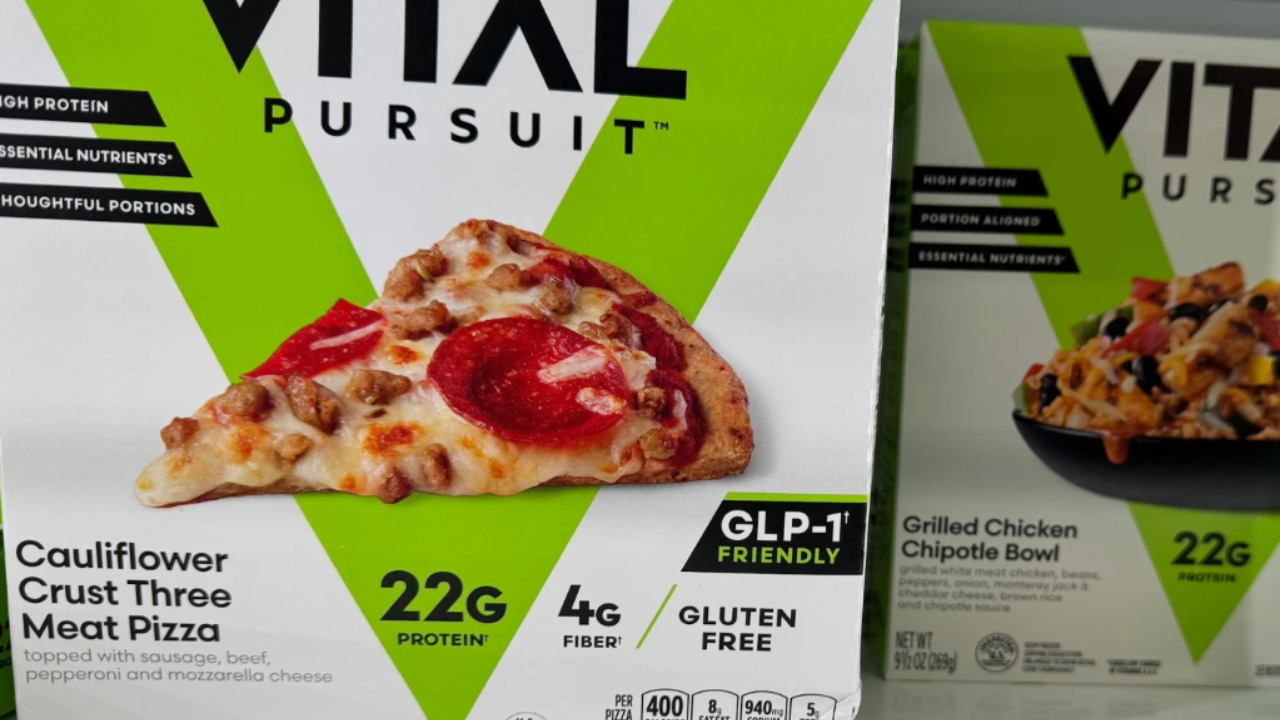
Meals and snacks labeled “GLP-1 Friendly” are appearing more often in U.S. supermarkets in 2024 and 2025 as weight-loss drugs such as Wegovy and Zepbound become widely used. These medicines copy the hormone GLP-1, which reduces appetite and affects digestion, leading many users to eat much smaller portions. A study by the Kaiser Family Foundation reported that about 12 percent of U.S. adults were using GLP-1 drugs by late 2024 for weight loss or diabetes care. Food companies responded to this prevalent change by promoting meals designed for smaller portions and higher nutrition. However, the term is not regulated by the U.S. Food and Drug Administration, meaning the label does not guarantee clear health standards or medical approval.
Nutrition experts say eating habits matter more than special packaging. Because GLP-1 drugs reduce hunger, each meal should provide enough protein, fiber, and fluids to mitigate common side effects. Dietitians from large medical centers recommend around 20 to 30 grams of protein per meal and regular fiber intake to support digestion. Some packaged foods meet these goals, but shoppers are advised to scrutinize labels for high fat, sugar, or sodium levels. Recent product launches from Nestlé and Conagra show how the food industry is adapting. The broader implications include easier meal planning, but long-term results depend on balanced diets and professional guidance for substantial health benefits. Experts also note that clear nutrition education helps consumers make safer choices while using medications daily.
Nutrition experts say eating habits matter more than special packaging. Because GLP-1 drugs reduce hunger, each meal should provide enough protein, fiber, and fluids to mitigate common side effects. Dietitians from large medical centers recommend around 20 to 30 grams of protein per meal and regular fiber intake to support digestion. Some packaged foods meet these goals, but shoppers are advised to scrutinize labels for high fat, sugar, or sodium levels. Recent product launches from Nestlé and Conagra show how the food industry is adapting. The broader implications include easier meal planning, but long-term results depend on balanced diets and professional guidance for substantial health benefits. Experts also note that clear nutrition education helps consumers make safer choices while using medications daily.
Discussion Questions:
I will read each question. Then, please answer them.
- Have you ever checked nutrition labels when buying food at a supermarket? If so, what information do you usually look for? If not, what information would you like to check in the future?
- Have you ever noticed special health labels, such as high-protein or low-sugar labels, on food products? If so, did the label affect your choice? If not, what kind of food information would help you choose a product more easily?
- Do you agree that food labels can sometimes be confusing for shoppers?
- What problems might happen if people trust food labels without checking nutrition information?
- What role should health experts play when new food trends appear in supermarkets?
Summarization:
Please summarize the whole article using your own words and expressions. You will have one minute to prepare before you answer.
Describe:
Please explain the definition of each word listed below based on your understanding. You can provide example sentences if needed.
- medicine
- weight loss
- diabetes
- protein
- side effect