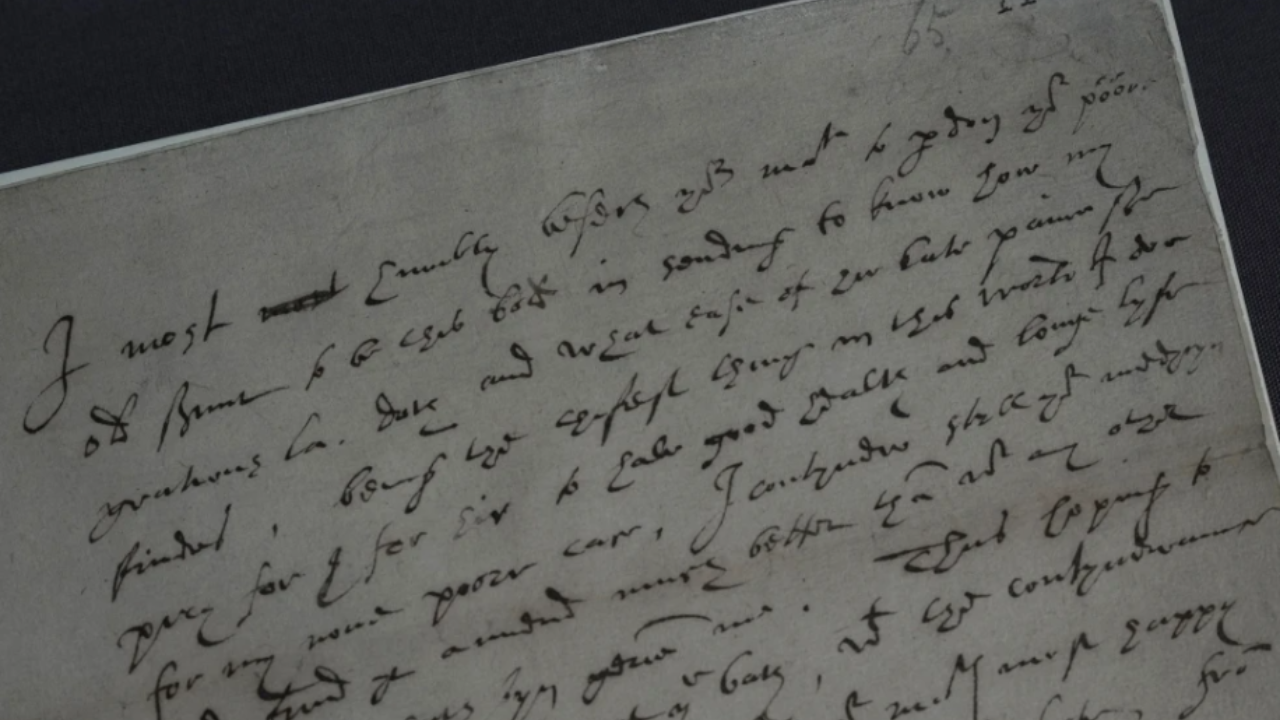
©(AP Photo/Alastair Grant)
Vocabulary:
I will read the words, meanings, and sample sentences. Then, repeat after me.
- curator /kyoo-REY-ter/
[noun] – a person who manages and cares for a collection in a museum or library
A curator checks each painting before it is displayed to the public. - petition /puh-TISH-uhn/
[noun] – a formal written request to an authority
A petition was signed to protect the old park from closing. - poignant /POIN-yuhnt/
[adjective] – causing strong feelings of sadness or emotion
A poignant story about family loss was shared in the news report. - abdication /ab-di-KEY-shuhn/
[noun] – the act of giving up a position of power
The sudden abdication surprised many people in the country. - imprisonment /im-PRIZ-uhn-muhnt/
[noun] – the act of putting a person in prison
Long imprisonment can affect a person’s mental health.
Article Reading:
Please read the whole article. Then, I will check your pronunciation and intonation.
Love has many forms, including affection, loyalty, loss, and sacrifice, and these feelings are presented in a public exhibition in Britain. The exhibition titled Love Letters opened in February at the National Archives in London as Valentine’s Day approached. The display presents documents from five centuries to show how love shaped personal lives and national history. Curators said the purpose of the exhibition is to show how written messages reveal human emotions in different periods and social groups. The collection includes letters, songs, petitions, and legal records written by citizens, writers, soldiers, and members of the royal family. One notable item is a final letter sent in 1588 by Robert Dudley to Queen Elizabeth I, which remained beside the queen until death.
The documents are preserved and displayed with notes that explain the historical background and meaning of each text. Experts said the exhibition helps visitors understand how feelings influence public decisions and political events. A poignant example is the abdication document signed by King Edward VIII in 1936, which shows a ruler choosing marriage over power. Historians noted that the decision explains how personal values shape leadership. Another section presents letters written during war, illness, and imprisonment, showing how communication offered comfort. Curators added that the exhibition highlights family bonds through wills and legal petitions that asked authorities to protect marriages and children. Specialists said that the exhibition demonstrates how written records create an enduring link between emotion and memory.
The documents are preserved and displayed with notes that explain the historical background and meaning of each text. Experts said the exhibition helps visitors understand how feelings influence public decisions and political events. A poignant example is the abdication document signed by King Edward VIII in 1936, which shows a ruler choosing marriage over power. Historians noted that the decision explains how personal values shape leadership. Another section presents letters written during war, illness, and imprisonment, showing how communication offered comfort. Curators added that the exhibition highlights family bonds through wills and legal petitions that asked authorities to protect marriages and children. Specialists said that the exhibition demonstrates how written records create an enduring link between emotion and memory.
Discussion Questions:
I will read each question. Then, please answer them.
- Have you ever kept a letter, card, or message from someone important? If so, what made that message special? If not, what kind of message would you like to keep in the future?
- Have you ever visited a museum or exhibition about history or culture? If so, what did you learn from that visit? If not, what kind of exhibition would you like to visit?
- Do you agree that museums should show personal letters as part of national history?
- What can personal stories teach people that official history books cannot?
- Why do people often express important feelings in writing instead of speaking?
Summarization:
Please summarize the whole article using your own words and expressions. You will have one minute to prepare before you answer.
Describe:
Please explain the definition of each word listed below based on your understanding. You can provide example sentences if needed.
- display
- document
- emotion
- history
- expert