Vocabulary:
I will read the words, meanings, and sample sentences. Then, repeat after me.
- algorithm /AL-guh-rith-uhm/
[noun] – a set of rules used by a computer to solve problems
The device uses an algorithm to estimate sleep stages. - provisional /pruh-VIZH-uh-nl/
[adjective] – temporary and subject to change
The report offered provisional conclusions. - fixation /fik-SAY-shuhn/
[noun] – excessive focus on one thing
Doctors warned about fixation on sleep scores. - actionable /AK-shuh-nuh-buhl/
[adjective] – able to be acted upon effectively
The data provided actionable insights. - latent /LAY-tnt/
[adjective] – existing but not yet developed
The technology has latent potential.
Article Reading:
Please read the whole article. Then, I will check your pronunciation and intonation.
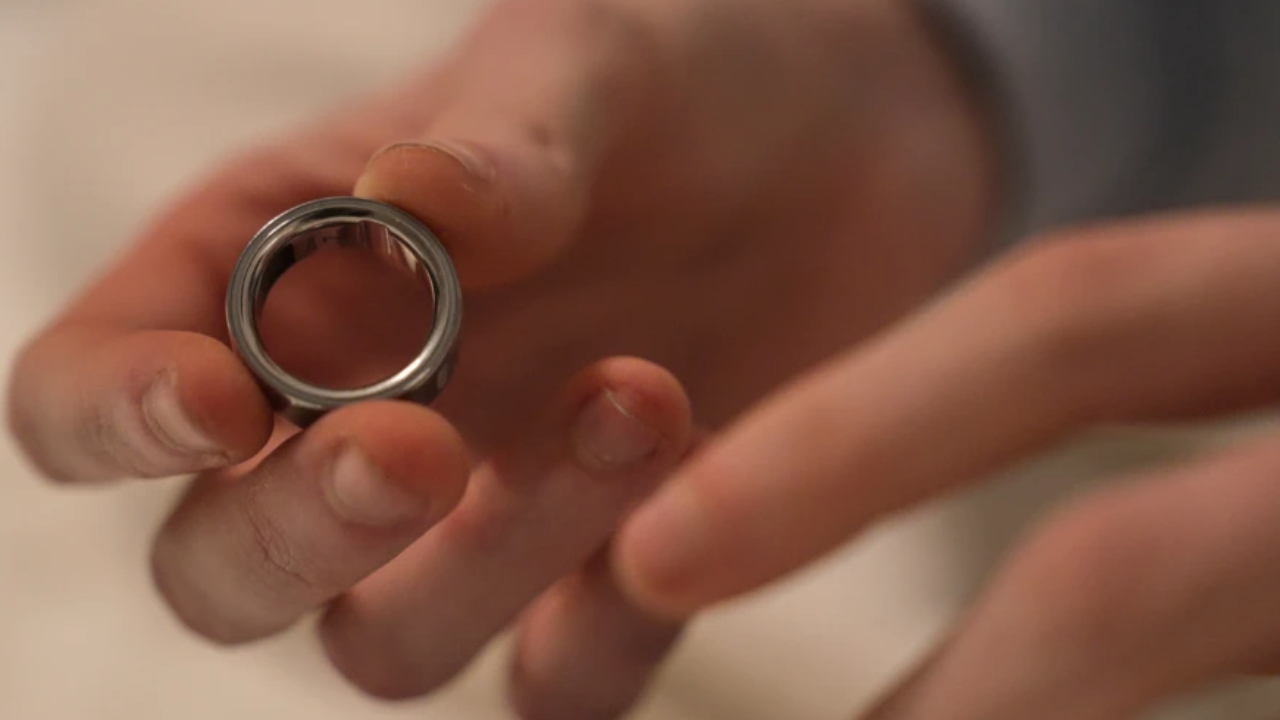
Millions of consumers worldwide used sleep-tracking devices in 2025 to assess nightly rest, as wearable technology expanded rapidly across health and wellness markets. These devices, including smartwatches, rings, and biometric sensors, estimate sleep quality using movement and heart-rate data rather than direct brain monitoring. Medical specialists cautioned that while adoption continues to accelerate, the results should be interpreted carefully because the data reflects inferred patterns rather than verified sleep stages. Industry analysts noted that consumer confidence in these devices remains high, even as clinicians stress that their role is informational rather than diagnostic.
Researchers explained that modern sleep trackers rely on complex algorithms to classify rest periods, offering reliable estimates of sleep duration but less certainty when identifying deeper phases such as REM sleep. Experts described the data as provisional, emphasizing that nightly fluctuations are normal and rarely indicate long-term health concerns. Some clinicians reported cases of fixation among users who monitored scores obsessively, prompting anxiety instead of reassurance. Others argued that wearables still provide actionable insights when users focus on trends rather than isolated results. Looking ahead, scientists believe advances in sensor accuracy could unlock latent capabilities, including early illness detection and mental-health monitoring, particularly in communities with limited access to sleep laboratories.
Researchers explained that modern sleep trackers rely on complex algorithms to classify rest periods, offering reliable estimates of sleep duration but less certainty when identifying deeper phases such as REM sleep. Experts described the data as provisional, emphasizing that nightly fluctuations are normal and rarely indicate long-term health concerns. Some clinicians reported cases of fixation among users who monitored scores obsessively, prompting anxiety instead of reassurance. Others argued that wearables still provide actionable insights when users focus on trends rather than isolated results. Looking ahead, scientists believe advances in sensor accuracy could unlock latent capabilities, including early illness detection and mental-health monitoring, particularly in communities with limited access to sleep laboratories.
Discussion Questions:
I will read each question. Then, please answer them.
- What sleep technology has been seen in the community, if any? If so, how is it used? If not, why not?
- What concerns about sleep tracking have been observed, if any? If so, what are they? If not, why?
- Do sleep trackers provide more benefits than risks?
- Should health decisions rely on wearable data?
- How could misuse of data affect mental health?
Summarization:
Please summarize the whole article using your own words and expressions. You will have one minute to prepare before you answer.
Describe:
Please explain the definition of each word listed below based on your understanding. You can provide example sentences if needed.
- specialist
- fluctuation
- anxiety
- wearable
- laboratory