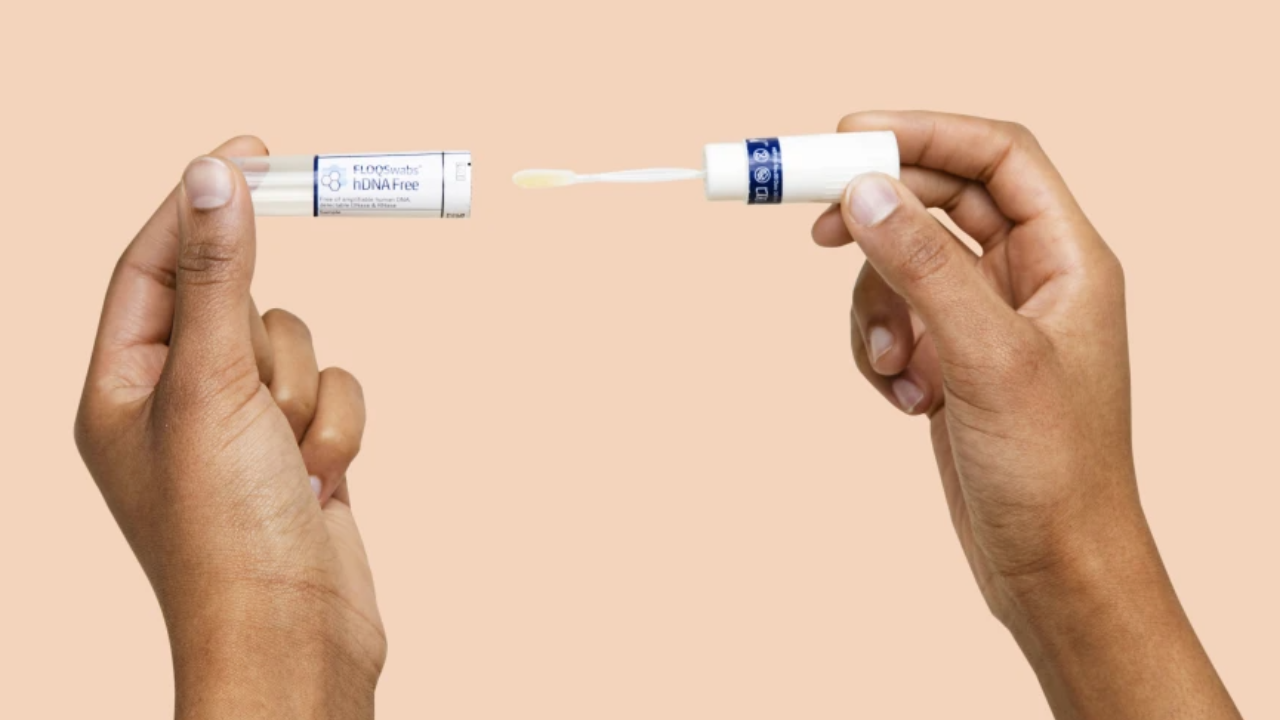
©Tiny Health via AP
Pre-reading Questions:
I will read each question. Then, please answer them.
- Have you heard of health tests people can do at home? If so, what kind of tests are common?
- Why do people want to learn about gut health? What problems are they trying to solve?
Vocabulary:
I will read the words, meanings, and sample sentences. Then, repeat after me.
- guidance /GAHY-dns/
[noun] – help or advice
Many users look for guidance from test results. - reliable /ri-LAHY-uh-buhl/
[adjective] – able to be trusted
The results are not always reliable. - practical /PRAK-ti-kuhl/
[adjective] – useful in real situations
Doctors need practical information to help patients. - accuracy /AK-yer-uh-see/
[noun] – being correct or exact
Accuracy is important in health testing. - awareness /uh-WAIR-nis/
[noun] – knowledge or understanding
The tests raise awareness about gut health.
Article Reading:
Please read the whole article. Then, I will check your pronunciation and intonation.
At-home gut microbiome tests are becoming more common as people look for simple ways to learn about digestive health. These tests, sold online by private companies, ask users to send stool samples to a laboratory for analysis. Companies claim the results can show whether gut bacteria are balanced and can help improve health. Many customers are drawn by the promise of guidance, especially those managing long-term stomach problems or trying to maintain wellness. Doctors, however, warn that the information may not be as reliable as people expect.
The test results usually compare a person’s gut bacteria to a general standard created by the company. Medical experts explain that gut bacteria differ greatly from person to person and even change over time. Because of this, doctors say it is difficult to give practical advice based on the reports. Some companies also recommend supplements, which adds to concerns about accuracy and motivation. Specialists emphasize that current medical care relies more on proven habits, such as eating fiber-rich foods, getting enough sleep, and staying active. While microbiome tests may increase awareness about gut health, doctors advise using the results carefully and avoiding major health decisions without professional guidance.
The test results usually compare a person’s gut bacteria to a general standard created by the company. Medical experts explain that gut bacteria differ greatly from person to person and even change over time. Because of this, doctors say it is difficult to give practical advice based on the reports. Some companies also recommend supplements, which adds to concerns about accuracy and motivation. Specialists emphasize that current medical care relies more on proven habits, such as eating fiber-rich foods, getting enough sleep, and staying active. While microbiome tests may increase awareness about gut health, doctors advise using the results carefully and avoiding major health decisions without professional guidance.
Comprehension Questions:
I will read each question. Then, please answer them based on the article.
- What do microbiome tests require users to send?
- Why do people buy these tests?
- Why do doctors question the results?
- How do companies compare bacteria?
- Why is advice hard to give?
Discussion Questions:
I will read each question. Then, please answer them.
- What health information tools have been seen in the community, if so how are they used, if not why?
- What wellness products have people talked about, if so what benefits are mentioned, if not why?
- Should companies explain test limits more clearly?
- Why do people trust health technology easily?
- How can patients decide what health advice to follow?