©(AP Photo/Duke Monari)
Vocabulary:
I will read the words, meanings, and sample sentences. Then, repeat after me.
- bouquet /boh-KEY/
[noun] – a group of flowers arranged together
A small bouquet was placed on the table for decoration. - pragmatic /prag-MAT-ik/
[adjective] – dealing with problems in a practical and realistic way
A pragmatic plan helped the team finish the project early. - constraint /kuhn-STREYNT/
[noun] – a limit or restriction that makes something difficult
Budget constraints affected the size of the event. - emblematic /em-bluh-MAT-ik/
[adjective] – clearly representing an idea or quality
The building is emblematic of the city’s history. - relevant /REL-uh-vuhnt/
[adjective] – closely connected to the topic or situation
Only relevant information was included in the report.
Article Reading:
Please read the whole article. Then, I will check your pronunciation and intonation.
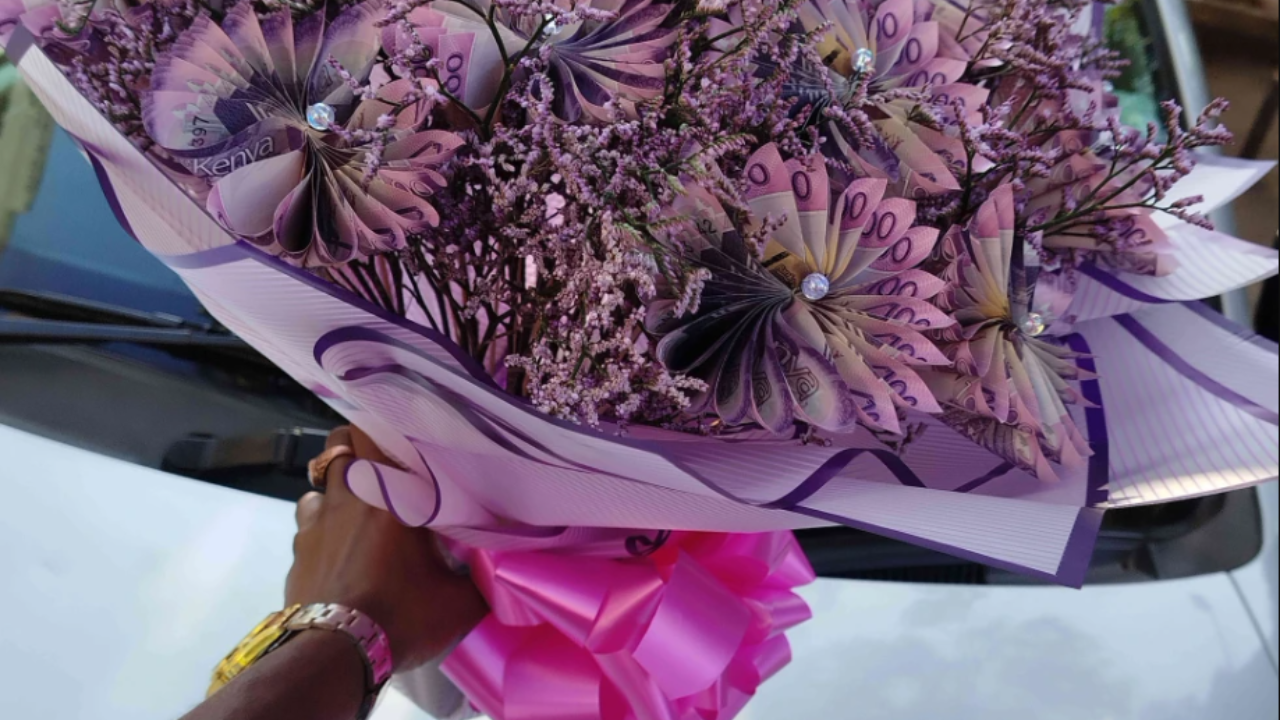
Romantic gift-giving in Zimbabwe has changed in recent years, especially around Valentine’s Day, as economic conditions and social values influence personal relationships. In Harare and other urban areas, cash bouquets made from folded U.S. dollar notes arranged like flowers have become popular alternatives to traditional floral gifts. The trend has grown over the past few years through social media promotion and shifting consumer priorities. Zimbabwe has relied heavily on the U.S. dollar since 2009 after severe hyperinflation, making liquidity highly significant in everyday transactions. As a result, money-based gifts carry both symbolic and practical meaning. Market vendors report increased seasonal demand, and analysts describe the practice as pragmatic and reflective of current economic pressures. This adaptation represents a notable transformation in romantic customs rather than a decline in emotional value.
Alongside cash bouquets, recycled metal gifts have also gained attention in Harare, where artisans collect discarded scrap and reshape the material into heart-shaped jewelry and decorative items. Environmental specialists highlight the sustainable benefits of the practice, as waste levels decrease and local employment expands. The production process requires skill and consistency, increasing the perceived value of each item. Retailers report growing interest from local buyers, showing resilience within small creative businesses. However, challenges such as limited equipment and rising material costs remain. Despite such constraints, the trend continues, and observers describe the movement as emblematic of changing social values, combining durability, sustainability, and emotional significance in a culturally distinctive and increasingly relevant form.
Alongside cash bouquets, recycled metal gifts have also gained attention in Harare, where artisans collect discarded scrap and reshape the material into heart-shaped jewelry and decorative items. Environmental specialists highlight the sustainable benefits of the practice, as waste levels decrease and local employment expands. The production process requires skill and consistency, increasing the perceived value of each item. Retailers report growing interest from local buyers, showing resilience within small creative businesses. However, challenges such as limited equipment and rising material costs remain. Despite such constraints, the trend continues, and observers describe the movement as emblematic of changing social values, combining durability, sustainability, and emotional significance in a culturally distinctive and increasingly relevant form.
Discussion Questions:
I will read each question. Then, please answer them.
- Have you ever given or received a gift that was practical as well as meaningful? If so, what was the gift and why was it useful? If not, what kind of practical gift would you like to give in the future?
- Have social media trends ever influenced the way you choose gifts? If so, can you give one example? If not, what usually helps you decide what gift to buy?
- Do you agree that economic conditions can change how people express love?
- What advantages do recycled gifts have compared to traditional gifts like flowers or chocolates?
- What risks could exist when money becomes part of romantic gift-giving?
Summarization:
Please summarize the whole article using your own words and expressions. You will have one minute to prepare before you answer.
Describe:
Please explain the definition of each word listed below based on your understanding. You can provide example sentences if needed.
- social value
- relationship
- social media
- business
- sustainability