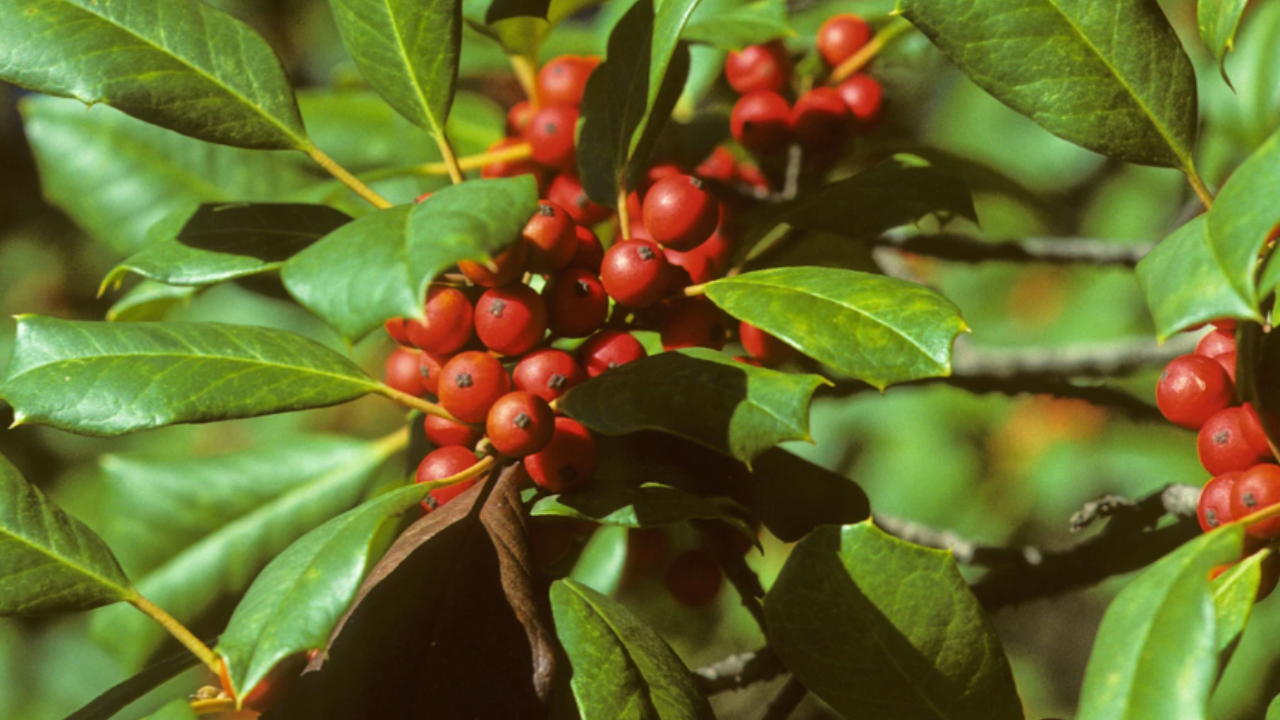
©Andy and Sally Wasowski/Lady Bird Johnson Wildflower Center via AP
Vocabulary:
I will read the words, meanings, and sample sentences. Then, repeat after me.
- dioecious /dahy-EE-shuhs/
[adjective] – having male and female reproductive organs on separate plants
The shrub is dioecious, so both male and female plants are needed for fruit. - pollinate /POL-uh-neyt/
[verb] – to take pollen from one plant to another so that seeds can be produced
Bees help pollinate flowers in the garden. - hardy /HAHR-dee/
[adjective] – able to survive difficult conditions
This tree is hardy enough to grow in cold climates. - deciduous /dih-SIJ-oo-uhs/
[adjective] – losing leaves in autumn every year
A deciduous tree drops its leaves before winter. - invasive /in-VEY-siv/
[adjective] – spreading very quickly and difficult to control
The invasive plant spread across the field.
Article Reading:
Please read the whole article. Then, I will check your pronunciation and intonation.
Garden centers across the United States are reporting renewed interest in holly varieties this winter as homeowners seek ornamental plants that provide structure and color. Horticultural experts note that many species are dioecious, meaning berry production requires both male and female plants, and that a single male can effectively pollinate multiple females within close range. Growers recommend early spring planting to ensure strong root establishment before summer heat, particularly in regions with hard freezes.
Specialists describe most hollies as remarkably hardy, adaptable to varied soil types and light conditions when moisture and drainage are adequate. While many species remain evergreen, winterberry stands out as a deciduous option valued for vivid fruit displayed on bare branches. However, certain imported varieties have been classified as invasive in parts of the Pacific Northwest and California, where rapid spread threatens native vegetation. Industry advisers encourage careful selection based on regional suitability, soil acidity, and growth habit, emphasizing responsible planting practices to balance landscape beauty with ecological stability throughout the year.
Specialists describe most hollies as remarkably hardy, adaptable to varied soil types and light conditions when moisture and drainage are adequate. While many species remain evergreen, winterberry stands out as a deciduous option valued for vivid fruit displayed on bare branches. However, certain imported varieties have been classified as invasive in parts of the Pacific Northwest and California, where rapid spread threatens native vegetation. Industry advisers encourage careful selection based on regional suitability, soil acidity, and growth habit, emphasizing responsible planting practices to balance landscape beauty with ecological stability throughout the year.
Discussion Questions:
I will read each question. Then, please answer them.
- Have you ever planted a tree or shrub in a garden? If so, what did you choose? If not, what would you like to plant?
- Have you ever seen holly plants growing in your area? If so, where? If not, would you like to see them?
- Do you agree that non-native plants should be restricted if they become invasive?
- What factors are most important when choosing plants for a garden?
- How can gardeners balance decorative landscaping with environmental protection?
Summarization:
Please summarize the whole article using your own words and expressions. You will have one minute to prepare before you answer.
Describe:
Please explain the definition of each word listed below based on your understanding. You can provide example sentences if needed.
- across
- variety
- expert
- condition
- rapid