Pre-reading Questions:
I will read each question. Then, please answer them.
- What do you usually feel during spring or summer?
- Do you think weather can affect your health? How?
Vocabulary:
I will read the words, meanings, and sample sentences. Then, repeat after me.
- extend /ik-STEND/
[verb] – to make something longer or continue for a longer time
The school decided to extend the class time for extra practice. - exposure /ik-SPOH-zher/
[noun] – contact with something, especially something that may affect health
Long exposure to loud noise can harm hearing. - birch /burch/
[noun] – a type of tree that produces pollen
A birch grows near the lake and has thin white bark. - allergen /AL-er-juhn/
[noun] – a substance that causes an allergic reaction
Dust is an allergen that can cause breathing problems indoors. - update /UHP-deyt/
[noun] – new information about something
The teacher gave an update about the class schedule.
Article Reading:
Please read the whole article. Then, I will check your pronunciation and intonation.
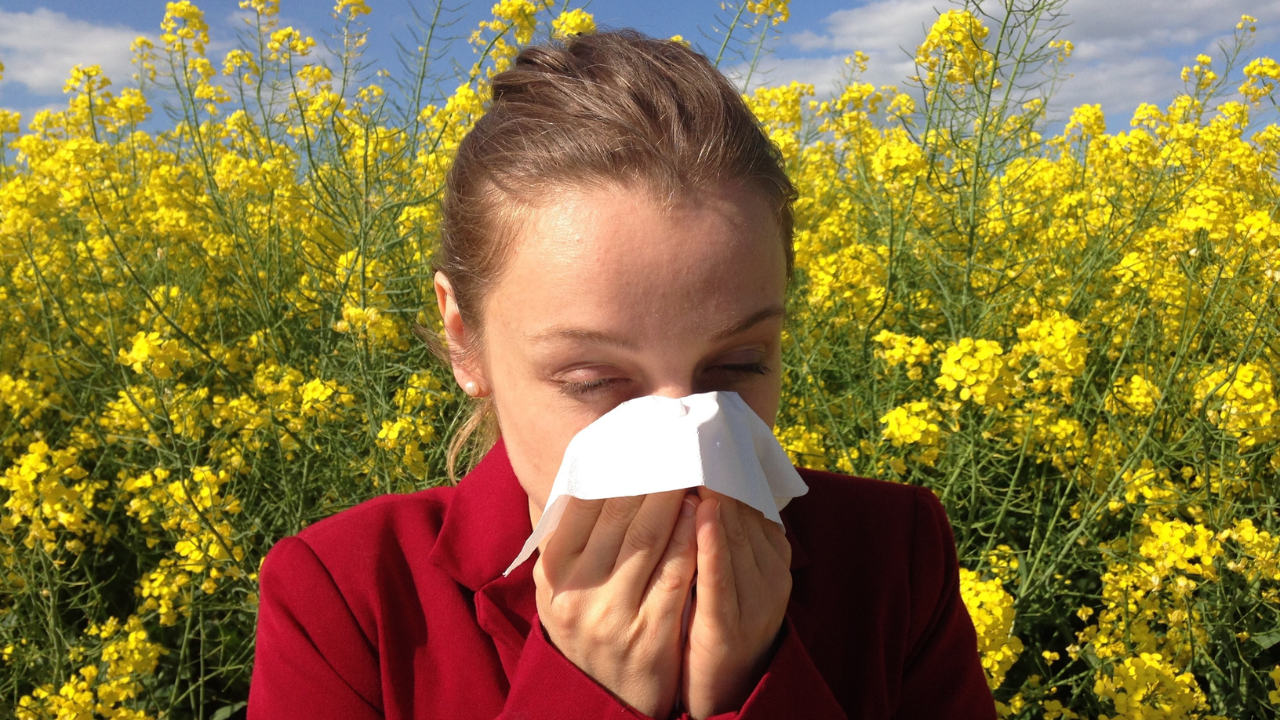
Seasonal allergies affect millions of people each year, especially during spring and summer when plants release pollen into the air. In the United States, health organizations report an increase in allergy cases as warmer temperatures extend growing seasons. This change has increased exposure to airborne particles, causing symptoms such as sneezing, coughing, and itchy eyes. The Asthma and Allergy Foundation of America has identified cities such as Boise, Tulsa, and Rochester as areas with high allergy levels based on pollen counts and medicine use. Researchers explain that climate change plays a key role in longer allergy seasons by increasing plant growth. Studies also show that tree pollens, including oak and birch, are common causes of allergic reactions due to their wide presence.
Experts recommend several ways to reduce allergy symptoms. Avoiding pollen exposure is an important step, including keeping windows closed and wearing protective clothing outdoors. Washing clothes and showering after being outside can help remove pollen from the body. Health specialists state that nasal sprays are effective when used correctly, especially when aimed away from sensitive parts inside the nose. Oral antihistamines can also help, although they may take more time to work. New treatments, such as immunotherapy, aim to improve the body’s response to allergens. In addition, digital pollen trackers provide daily updates to help people plan outdoor activities more safely.
Experts recommend several ways to reduce allergy symptoms. Avoiding pollen exposure is an important step, including keeping windows closed and wearing protective clothing outdoors. Washing clothes and showering after being outside can help remove pollen from the body. Health specialists state that nasal sprays are effective when used correctly, especially when aimed away from sensitive parts inside the nose. Oral antihistamines can also help, although they may take more time to work. New treatments, such as immunotherapy, aim to improve the body’s response to allergens. In addition, digital pollen trackers provide daily updates to help people plan outdoor activities more safely.
Comprehension Questions:
I will read each question. Then, please answer them based on the article.
- What is happening to allergy cases in the United States?
- Name one symptom caused by airborne particles.
- Which organization identified cities with high allergy levels?
- What makes allergy seasons longer?
- What is one way to avoid pollen exposure at home?
Discussion Questions:
I will read each question. Then, please answer them.
- Have you ever had sneezing or itchy eyes during spring or summer? If so, what did you do to feel better? If not, what do you think you should do?
- Have you ever stayed inside because of bad air or pollen? If so, what did you do at home? If not, would you stay inside if the air is not clean? Why?
- Do you agree that technology, such as pollen trackers, can help people manage their health better?
- How can allergies affect daily life, like school or work?
- What other ways do you think people can avoid pollen outside?