Vocabulary:
I will read the words, meanings, and sample sentences. Then, repeat after me.
- precise /pri-SAHYS/
[adjective] – exact and correct; very accurate in detail
The engineer made a precise measurement before building the bridge. - cluster /KLUHS-ter/
[noun] – a group of similar things that are close together
Scientists studied a cluster of small islands in the Pacific Ocean. - observatory /uhb-ZUR-vuh-tawr-ee/
[noun] – a place where scientists watch and study space or the sky
The observatory opened its telescope to visitors during the meteor shower. - complexity /kuhm-PLEK-si-tee/
[noun] – the state of having many connected parts that are difficult to understand
The complexity of the human brain still interests many researchers. - significance /sig-NIF-i-kuhns/
[noun] – importance or value of something
The discovery had great significance for medical research.
Article Reading:
Please read the whole article. Then, I will check your pronunciation and intonation.
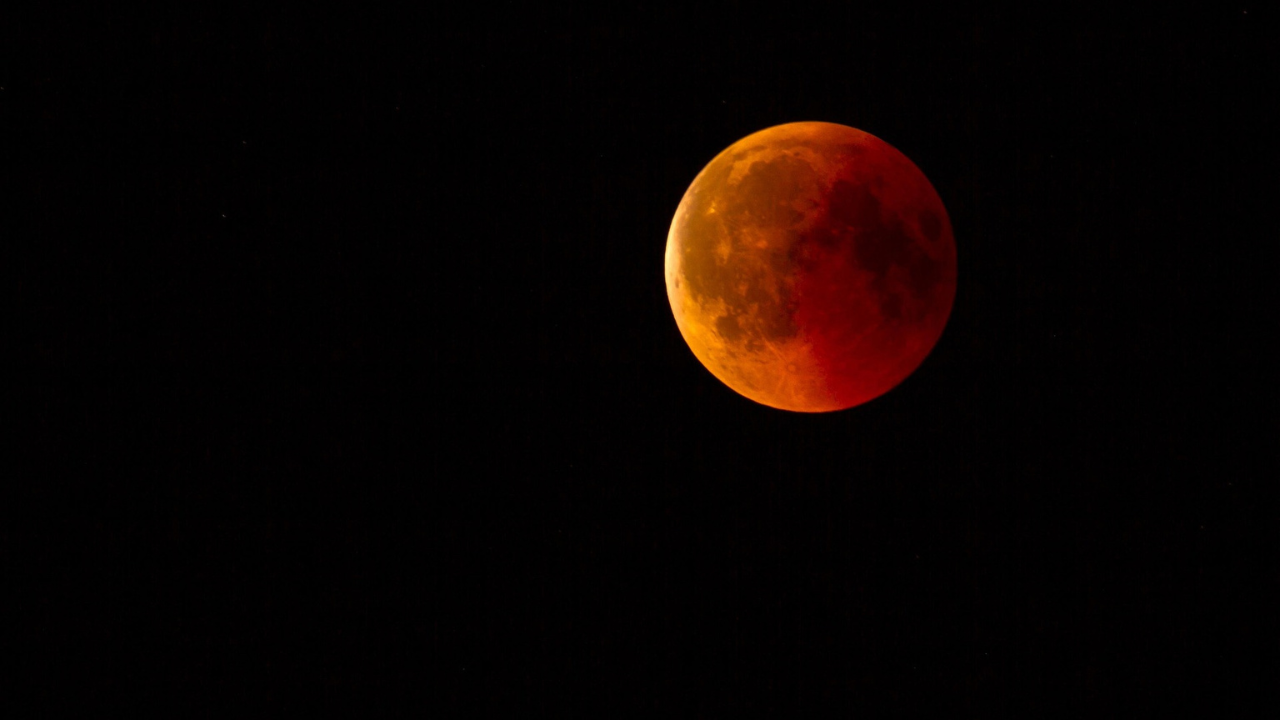
A total lunar eclipse created a striking blood-red moon in mid-March, attracting attention from skywatchers and researchers in several regions. The event happened when Earth moved directly between the sun and the full moon, casting a shadow across the lunar surface. The eclipse was visible early in the morning in North America, Central America, and western South America, while Australia and eastern Asia saw it later at night. Astronomical groups reported that lunar eclipses occur several times each year because of the precise alignment of the sun, Earth, and moon. The recent event followed a ring of fire solar eclipse about two weeks earlier, showing how such events can appear in clusters because of orbital patterns.
During totality, the moon appeared dark red for about one hour as Earth’s shadow fully covered it. Researchers explained that the color formed because Earth’s atmosphere filtered sunlight in a process similar to sunrise and sunset. Observatories described the eclipse as a valuable opportunity for learning and public interest in astronomy. Digital sky-monitoring tools and mobile astronomy applications helped observers track the timing in different regions. Experts said the event showed the complexity of orbital motion and the transparency of Earth’s atmosphere. Astronomical groups also noted the significance of such events for science education. A partial lunar eclipse in August will provide another notable chance for observation across parts of the Americas, Europe, Africa, and western Asia.
During totality, the moon appeared dark red for about one hour as Earth’s shadow fully covered it. Researchers explained that the color formed because Earth’s atmosphere filtered sunlight in a process similar to sunrise and sunset. Observatories described the eclipse as a valuable opportunity for learning and public interest in astronomy. Digital sky-monitoring tools and mobile astronomy applications helped observers track the timing in different regions. Experts said the event showed the complexity of orbital motion and the transparency of Earth’s atmosphere. Astronomical groups also noted the significance of such events for science education. A partial lunar eclipse in August will provide another notable chance for observation across parts of the Americas, Europe, Africa, and western Asia.
Discussion Questions:
I will read each question. Then, please answer them.
- Have you ever seen a lunar eclipse or a very bright full moon in the night sky? If so, where did you see it and what did it look like? If not, would you like to watch a lunar eclipse in the future? Why?
- Have you ever used a mobile app or website to learn about space or astronomy? If so, what information did you learn from it? If not, what space event would you like to learn about using an app?
- Do you agree that events like lunar eclipses can increase people’s interest in science and space?
- Why do you think many people become interested in watching rare space events like a lunar eclipse?
- What are some ways people can learn more about space without using a telescope?
Summarization:
Please summarize the whole article using your own words and expressions. You will have one minute to prepare before you answer.
Describe:
Please explain the definition of each word listed below based on your understanding. You can provide example sentences if needed.
- lunar eclipse
- researcher
- region
- full moon
- solar eclipse