Pre-reading Questions:
I will read each question. Then, please answer them.
講師がそれぞれの質問を読むので答えましょう。
- Do you sometimes try to learn new things in your free time?
- Do you believe exercise can help your body and mind?
Vocabulary:
I will read the words, meanings, and sample sentences. Then, repeat after me.
単語、意味、例文を読みます。講師に続いて音読しましょう。
- memory /MEM-uh-ree/
[noun] – the ability to remember information or past events
Regular practice can improve memory in students who study a new language. - symptom /SIMP-tuhm/
[noun] – a sign that shows a person may have a disease or health problem
A headache can be a symptom of stress or lack of sleep. - stimulate /STIM-yuh-leyt/
[verb] – to encourage activity or development
Interesting lessons stimulate students to ask more questions. - engagement /en-GEYJ-muhnt/
[noun] – active involvement in an activity or task
Class discussion increases student engagement during lessons. - concentration /kon-suhn-TREY-shuhn/
[noun] – the ability to focus attention on one task
A quiet place helps students improve concentration while studying.
Article Reading:
Please read the whole article. Then, I will check your pronunciation and intonation.
記事を音読しましょう。講師はあなたの発音とイントネーションを確認します。
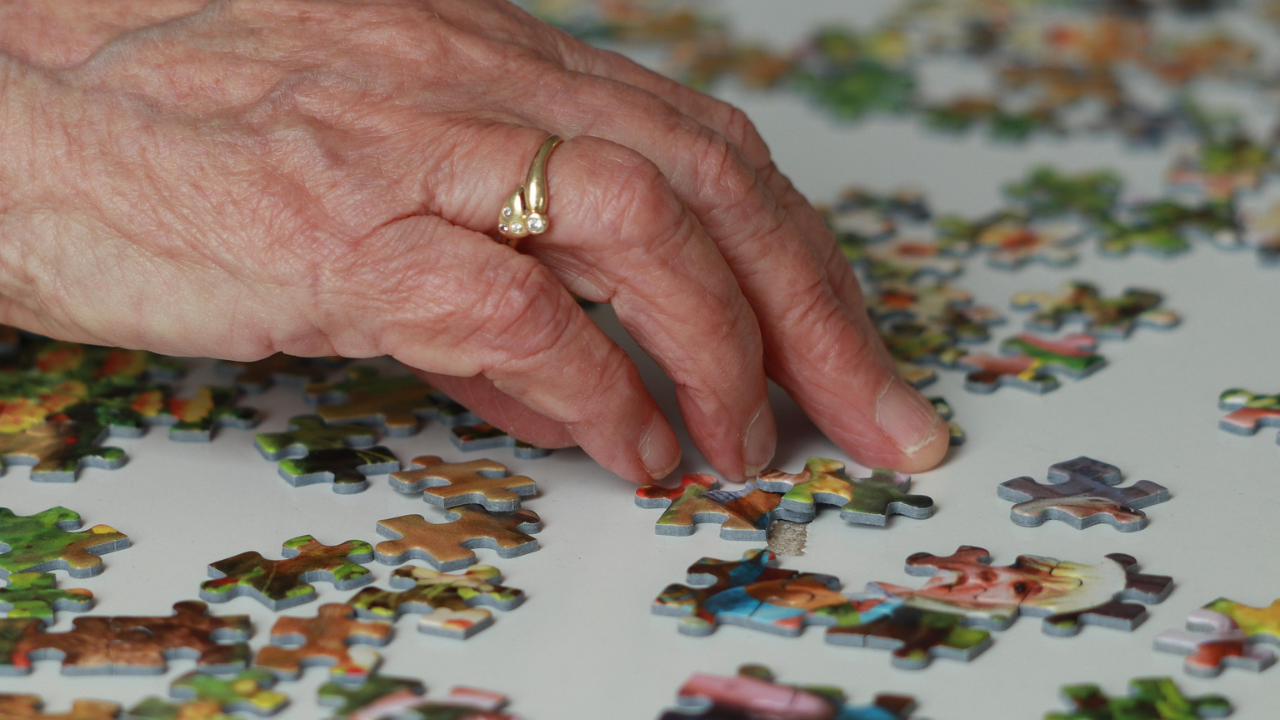
Interest in brain health is increasing as populations age and dementia cases rise. Researchers say problems with memory and thinking may begin many years before serious symptoms appear. Because of this, doctors encourage learning and activities that stimulate the brain. A long-term study followed nearly 2,000 adults aged 53 to 100 for eight years. Participants took memory tests and reported activities such as reading, writing, language study, and strategy games. The results showed that people who often joined these activities had stronger mental performance. People with higher mental engagement also developed Alzheimer’s disease several years later.Scientists explain that mentally stimulating activities strengthen connections between nerve cells. This ability helps the brain adjust to age-related changes. Experts say regular activities give stronger benefits than occasional ones. Activities such as music practice, museum visits, and birdwatching support concentration and social interaction. Doctors also say that exercise, stable blood pressure, and good sleep support brain health. Researchers continue to study habits that may help protect mental ability in older adults.
True or False:
Read the sentences and identify if they are true or false based on the article.
文章を読んで、記事に基づいて正誤を答えましょう。
- Interest in brain health is increasing because populations are getting older.
- Memory and thinking problems usually begin only after serious symptoms appear.
- Doctors say people should avoid learning new things to protect their brains.
- The long-term study followed nearly 2,000 adults for eight years.
- All participants in the study were younger than 40 years old.
Fill in the Blanks:
Choose the correct word from the table, then fill in the blanks.
適切な言葉を選んで空欄を埋めましょう。
| memory | symptoms | stimulate | engagement | concentration |
- Meditation can support ______ during long work hours.
- Team projects improve ______ and cooperation among workers.
- A doctor checks a patient’s ______ before giving treatment.
- Playing board games can help develop ______ and thinking skills.
- Outdoor activities can ______ creativity in young children.