Vocabulary:
I will read the words, meanings, and sample sentences. Then, repeat after me.
- cognitive /KOG-ni-tiv/
[adjective] – related to thinking, learning, and understanding
Good sleep can improve students’ cognitive ability during exams. - stimulating /STIM-yuh-ley-ting/
[adjective] – interesting and making the mind active
The science museum offers many stimulating exhibits for visitors. - accumulation /uh-kyoo-myuh-LEY-shuhn/
[noun] – the gradual collection or increase of something over time
The accumulation of practice hours helped the athlete improve her performance. - chronic /KRON-ik/
[adjective] – lasting for a long time or continuing for a long period
Chronic stress can affect a student’s ability to focus in school. - exacerbate /ig-ZAS-er-beyt/
[verb] – to make a problem or situation worse
Poor communication may exacerbate conflicts between team members.
Article Reading:
Please read the whole article. Then, I will check your pronunciation and intonation.
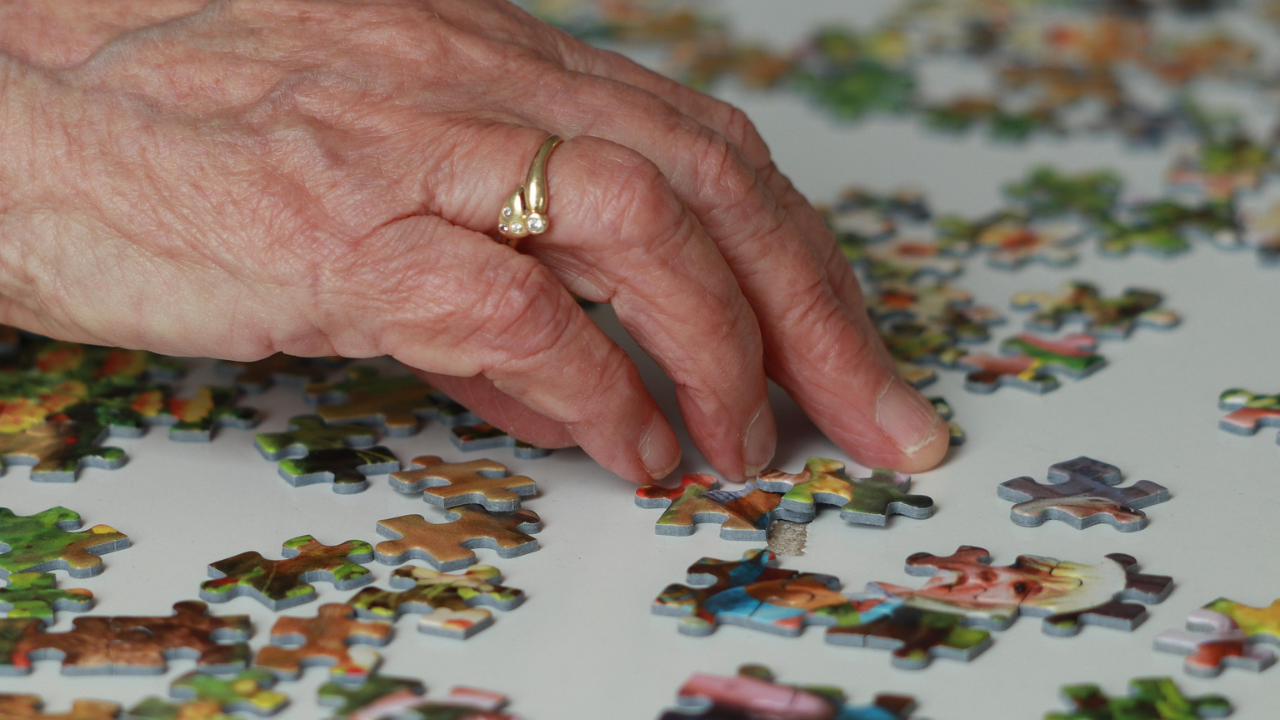
Interest in brain health has increased as global populations age and dementia cases continue to rise. Health researchers explain that cognitive decline often develops slowly and may begin many years before serious symptoms appear. For that reason, medical experts encourage lifelong learning and mentally stimulating activities. A long-term study followed nearly 2,000 adults aged 53 to 100 over eight years to examine links between learning habits and brain function. Participants completed memory and thinking tests while reporting activities such as reading, writing, language study, and strategy games. Results suggested that people who regularly joined intellectually stimulating activities showed stronger mental performance. Researchers described this pattern as the accumulation of knowledge and mental experience over time. Neurological findings also indicated that individuals with higher levels of mental engagement experienced Alzheimer’s disease several years later than those with fewer cognitive activities.
Scientists explain that mentally stimulating habits strengthen connections between nerve cells, allowing the brain to adapt to age-related changes. This ability, known as cognitive reserve, may help maintain memory and reasoning skills despite biological decline. Experts emphasize that consistent and meaningful activities provide stronger benefits than occasional participation. Activities such as music practice, museum visits, and birdwatching encourage concentration and social interaction. Medical specialists also note that physical health supports brain performance through regular exercise, stable blood pressure, and quality sleep. Some researchers study digital programs designed to enhance attention and reaction speed. Chronic illnesses such as diabetes or heart disease may exacerbate cognitive decline by affecting blood flow to the brain. Ongoing research aims to evaluate lifestyle habits and identify effective strategies that help preserve mental abilities in older adulthood.
Scientists explain that mentally stimulating habits strengthen connections between nerve cells, allowing the brain to adapt to age-related changes. This ability, known as cognitive reserve, may help maintain memory and reasoning skills despite biological decline. Experts emphasize that consistent and meaningful activities provide stronger benefits than occasional participation. Activities such as music practice, museum visits, and birdwatching encourage concentration and social interaction. Medical specialists also note that physical health supports brain performance through regular exercise, stable blood pressure, and quality sleep. Some researchers study digital programs designed to enhance attention and reaction speed. Chronic illnesses such as diabetes or heart disease may exacerbate cognitive decline by affecting blood flow to the brain. Ongoing research aims to evaluate lifestyle habits and identify effective strategies that help preserve mental abilities in older adulthood.
Discussion Questions:
I will read each question. Then, please answer them.
- Have you ever done activities that challenge your brain, such as reading books, solving puzzles, or learning a new language? If so, which activity do you enjoy the most and why? If not, what activity would you like to try to train your brain?
- Have you ever joined an activity that required strong concentration, such as playing a strategy game or practicing music? If so, what did you learn from that experience? If not, what activities do you usually do to stay focused while studying or working?
- Do you agree that learning new things throughout life can help people keep their memory strong?
- Why do you think physical health, such as exercise and good sleep, can affect brain performance?
- What habits do you think people should start early in life to keep their brains healthy in the future?
Summarization:
Please summarize the whole article using your own words and expressions. You will have one minute to prepare before you answer.
Describe:
Please explain the definition of each word listed below based on your understanding. You can provide example sentences if needed.
- health
- population
- medical expert
- adult
- habit