©AP Photo/Mengshin Lin
Pre-reading Questions:
I will read each question. Then, please answer them.
- What traditional items represent culture in different places?
- Why do tourists often buy local products when visiting a place?
Vocabulary:
I will read the words, meanings, and sample sentences. Then, repeat after me.
- symbol /SIM-buhl/
[noun] – something that represents an idea or quality
The flag is a symbol of the country. - import /IM-port/
[noun] – a product brought from another country to be sold
The store sells many flower imports from overseas. - proposal /pruh-POH-zuhl/
[noun] – a plan or suggestion for people to consider
The city discussed a proposal for a new park. - demand /dih-MAND/
[noun] – a strong need or desire for something
There is strong demand for fresh fruit in summer. - tradition /truh-DISH-uhn/
[noun] – a belief or custom that continues for a long time
Wearing special clothes during festivals is a tradition.
Article Reading:
Please read the whole article. Then, I will check your pronunciation and intonation.
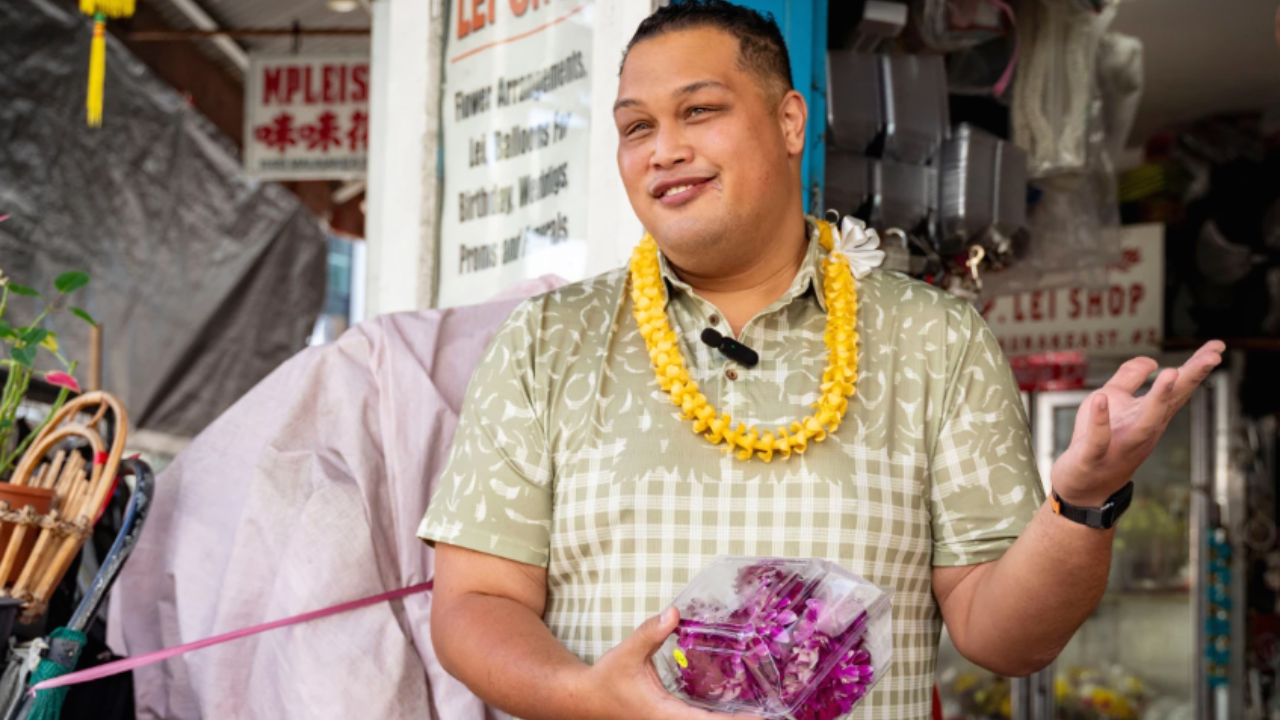
Hawaii lawmakers are discussing ways to support local lei producers after learning that most purple orchid lei sold in the islands are imported from Thailand. Lei are flower necklaces that are an important cultural symbol in Hawaii and are often given to visitors during celebrations, graduations, and ceremonies. However, many lei shops depend on orchid imports because flowers grown overseas are cheaper to produce. Cultural groups and some officials worry that relying too heavily on imported flowers could weaken local farms and reduce the connection between lei and Hawaiian culture.
One legislative proposal suggested labeling lei to show where the flowers were grown and encouraging government agencies to buy more locally produced garlands. Supporters believe these ideas could help local flower growers as tourism increases the demand for lei each year. However, some shop owners say the plan might cause prices to rise if there are not enough local flowers available during certain seasons. Businesses often mix local flowers with imported ones to maintain supply. Many people in Hawaii still consider lei-giving an important cultural tradition, so lawmakers are studying how to support local producers without making the garlands too expensive for residents and visitors.
One legislative proposal suggested labeling lei to show where the flowers were grown and encouraging government agencies to buy more locally produced garlands. Supporters believe these ideas could help local flower growers as tourism increases the demand for lei each year. However, some shop owners say the plan might cause prices to rise if there are not enough local flowers available during certain seasons. Businesses often mix local flowers with imported ones to maintain supply. Many people in Hawaii still consider lei-giving an important cultural tradition, so lawmakers are studying how to support local producers without making the garlands too expensive for residents and visitors.
Comprehension Questions:
I will read each question. Then, please answer them based on the article.
- What cultural item are Hawaii lawmakers discussing in the article?
- Where are many orchid lei currently imported from?
- Why do many businesses use imported flowers?
- What suggestion did lawmakers propose about labeling lei?
- Why might prices increase if imported flowers are restricted?
Discussion Questions:
I will read each question. Then, please answer them.
- Have you ever received flowers during a celebration? If so, what event was it? If not, what gift would feel special to receive?
- Have you ever bought a traditional item while traveling? If so, what did you buy? If not, what cultural item would interest you?
- Do you agree that governments should support local businesses more than imported products?
- Why do tourists often look for cultural souvenirs when visiting new places?
- How might local culture change if imported products replace traditional items?