Vocabulary:
I will read the words, meanings, and sample sentences. Then, repeat after me.
- contaminant /kuhn-TAM-uh-nuhnt/
[noun] – a harmful substance that makes something dirty or unsafe
The scientist studied a contaminant in the soil near the factory. - microbe /MAHY-krohb/
[noun] – a very small living organism that can only be seen with a microscope
The hospital uses special cleaners to remove microbes from medical equipment. - disinfectant /dis-in-FEK-tuhnt/
[noun] – a chemical used to kill harmful bacteria or germs
The school janitor used disinfectant to clean the desks after class. - catalyze /KAT-l-ahyz/
[verb] – to cause or make something happen more quickly
The discovery catalyzes further research in renewable energy. - trajectory /truh-JEK-tuh-ree/
[noun] – the path or direction that something follows over time
The company followed a positive trajectory after launching a new product.
Article Reading:
Please read the whole article. Then, I will check your pronunciation and intonation.
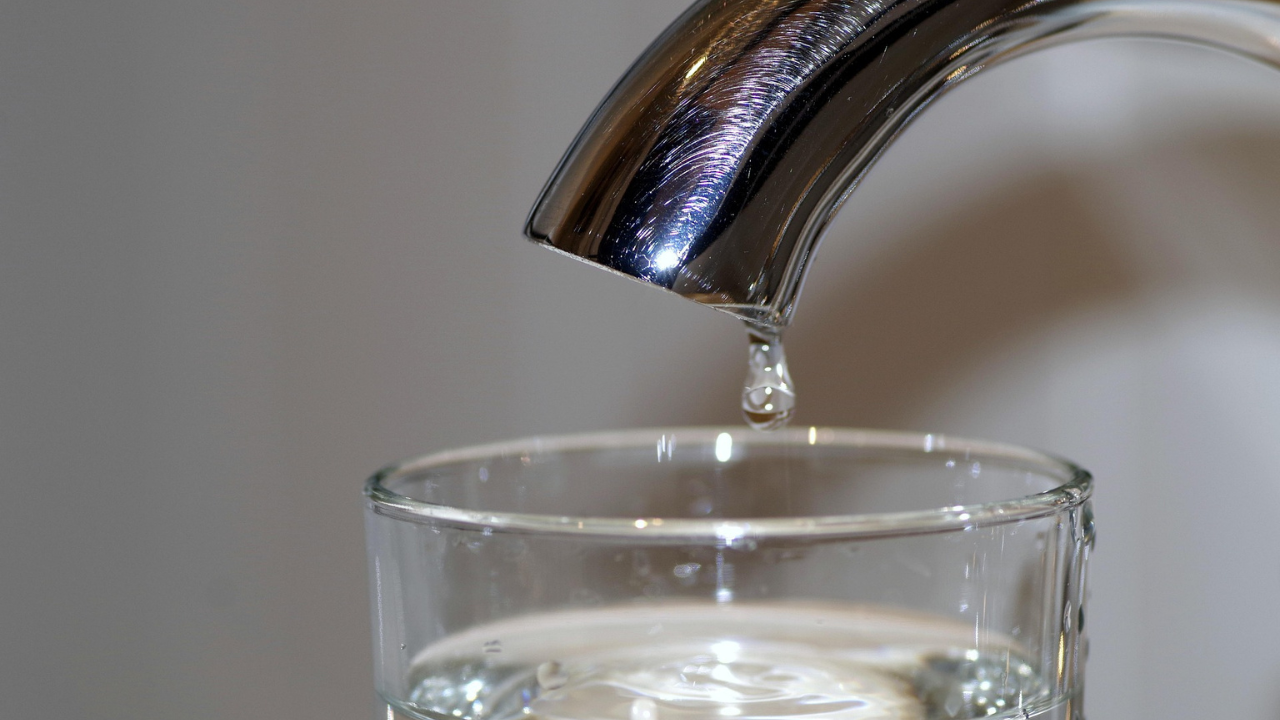
Interest in tap water safety and water filters has grown in the United States as more households ask whether extra treatment is necessary. Public drinking water is regulated under the Safe Drinking Water Act, which allows the Environmental Protection Agency (EPA) to set standards for more than ninety contaminants, including chemicals, microbes, and metals. Water utilities treat drinking water with disinfectants such as chlorine before water reaches homes. These methods help mitigate the risk of harmful bacteria and other pollutants. Most public utilities meet federal standards, so tap water is generally safe in most communities. However, old pipes and building plumbing can affect water quality at the faucet. Annual Consumer Confidence Reports give local information about detected contaminants and safety results. Greater awareness of substances such as PFAS chemicals and lead has also catalyzed demand for household filtration products.
Some households choose laboratory testing kits for extra reassurance. These tests can identify metals, microplastics, and chemical byproducts from water treatment. Results may underscore whether a filter is useful. Basic carbon filters, often used in pitchers or faucet devices, can reduce chlorine and improve taste or odor. More advanced systems, such as reverse osmosis units, can remove additional substances, but costs and installation needs are often higher. Experts explain that filtration systems should match specific concerns because each product targets different contaminants. Poor filter maintenance can compromise water quality because bacteria may grow in old cartridges. Recent consumer interest shows a wider trajectory toward greater attention to household water safety and long-term health protection.
Some households choose laboratory testing kits for extra reassurance. These tests can identify metals, microplastics, and chemical byproducts from water treatment. Results may underscore whether a filter is useful. Basic carbon filters, often used in pitchers or faucet devices, can reduce chlorine and improve taste or odor. More advanced systems, such as reverse osmosis units, can remove additional substances, but costs and installation needs are often higher. Experts explain that filtration systems should match specific concerns because each product targets different contaminants. Poor filter maintenance can compromise water quality because bacteria may grow in old cartridges. Recent consumer interest shows a wider trajectory toward greater attention to household water safety and long-term health protection.
Discussion Questions:
I will read each question. Then, please answer them.
- Have you ever drunk tap water at home or in another place? If yes, what did it taste like? Did you think it was safe? If not, what kind of water do you usually drink at home?
- Does your home use a water filter? If yes, what kind of filter does your family use? Why did they choose it? If not, would you like to use a water filter in the future? Why or why not?
- Do you agree that most tap water is safe if it meets government safety standards?
- Why do you think many people worry about tap water safety today?
- How can governments help people feel confident about drinking tap water?
Summarization:
Please summarize the whole article using your own words and expressions. You will have one minute to prepare before you answer.
Describe:
Please explain the definition of each word listed below based on your understanding. You can provide example sentences if needed.
- safety
- household
- bacteria
- quality
- substance