Vocabulary:
I will read the words, meanings, and sample sentences. Then, repeat after me.
- cultivation /kuhl-tuh-VEY-shuhn/
[noun] – the process of growing and taking care of plants or crops
The school started a small garden to teach students about vegetable cultivation. - aloha /uh-LOH-huh/
[noun] – a feeling of kindness, love, and welcome in Hawaiian culture
Visitors often notice the spirit of aloha in the warm greetings of local residents. - integral /IN-ti-gruhl/
[adjective] – necessary and important as part of something larger
Teamwork is an integral part of completing large construction projects. - tuberose /TOO-buh-rohz/
[noun] – a type of fragrant white flower often used in perfumes or decorations
The hotel lobby displayed fresh tuberose to create a pleasant scent. - deterioration /dih-teer-ee-uh-REY-shuhn/
[noun] – the process of becoming worse in condition or quality
Regular maintenance helps stop deterioration in old buildings.
Article Reading:
Please read the whole article. Then, I will check your pronunciation and intonation.
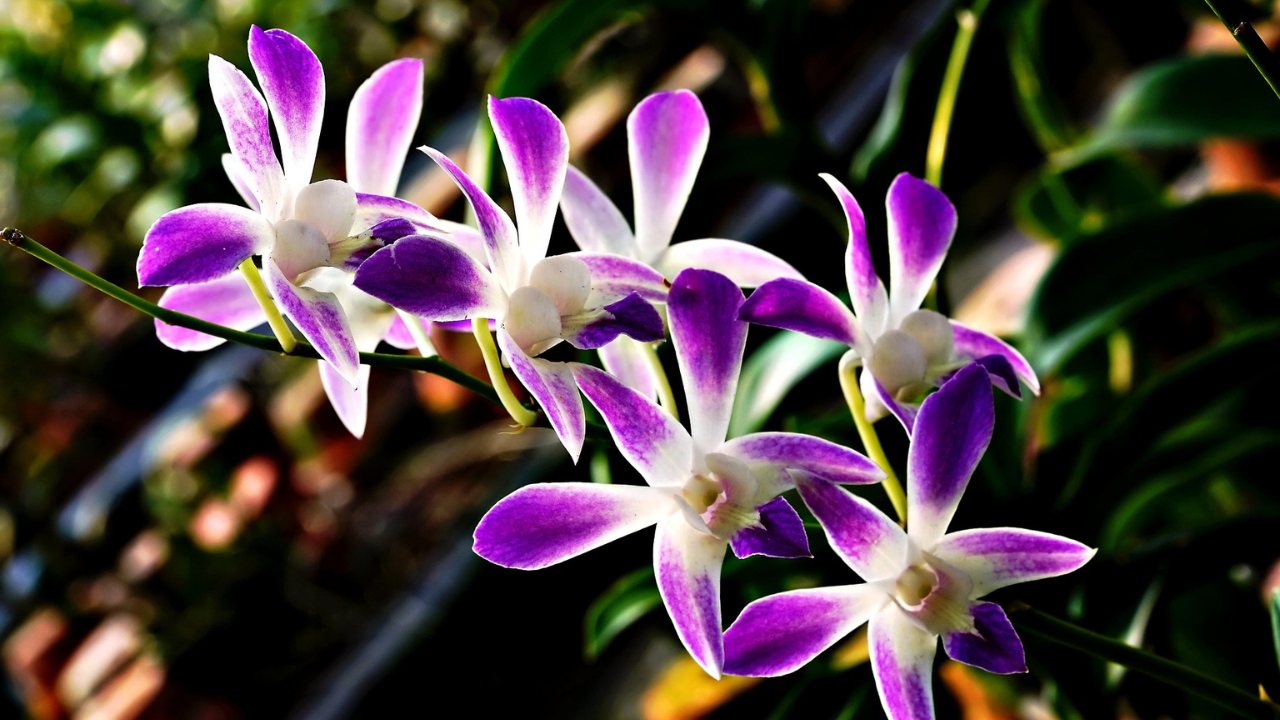
Hawaii lawmakers and cultural organizations are examining the increasing use of imported flowers in traditional Hawaiian lei, a garland strongly connected to the cultural identity of the islands. Many purple orchid lei given to visitors are imported from Thailand because overseas production is cheaper than local cultivation. Cultural leaders and industry observers have expressed concern that reliance on imported flowers may reduce support for Hawaii flower farms. Reports discussed by the Hawaiian Council indicate that the lei has long symbolized respect, celebration, and the spirit of aloha in everyday life. In 2025, members of the Hawaii State Legislature began reviewing proposals to study the issue and explore policies that could strengthen local flower production. Cultural experts describe the lei as an integral element of Hawaiian heritage and ceremonial practice. Historical records also show that tourism growth during the twentieth century increased demand for lei, encouraging sellers to use both local and imported plants.
Proposed measures examine how local growers and lei makers could meet demand while protecting cultural traditions. A Senate proposal recommends creating a research group to analyze flower supply and market conditions affecting lei production. The initiative aims to support sustainable development of the local flower industry while maintaining cultural authenticity. Flower sellers report that fragrant varieties such as pikake and tuberose appear only during certain seasons, creating supply limits. Imported orchids therefore provide stable availability for many shops. However, policymakers warn that dependence on imports could undermine local agriculture. Economic assessments suggest possible deterioration in the flower sector without stronger support for farmers. Cultural advocates emphasize the significance of locally produced lei during ceremonies, graduations, and public celebrations across Hawaii.
Proposed measures examine how local growers and lei makers could meet demand while protecting cultural traditions. A Senate proposal recommends creating a research group to analyze flower supply and market conditions affecting lei production. The initiative aims to support sustainable development of the local flower industry while maintaining cultural authenticity. Flower sellers report that fragrant varieties such as pikake and tuberose appear only during certain seasons, creating supply limits. Imported orchids therefore provide stable availability for many shops. However, policymakers warn that dependence on imports could undermine local agriculture. Economic assessments suggest possible deterioration in the flower sector without stronger support for farmers. Cultural advocates emphasize the significance of locally produced lei during ceremonies, graduations, and public celebrations across Hawaii.
Discussion Questions:
I will read each question. Then, please answer them.
- Have you ever received flowers or a flower garland during a special event? If so, when did you receive it and how did you feel? If not, what gift do people usually give during special events in your country?
- Have you ever bought flowers that came from another country? If so, why did you choose imported flowers? If not, what kinds of flowers do people usually buy in your area?
- Do you agree that governments should support local farmers and flower growers?
- Why do you think many businesses choose imported flowers instead of local flowers?
- How can communities support traditional cultural practices while meeting modern demand?
Summarization:
Please summarize the whole article using your own words and expressions. You will have one minute to prepare before you answer.
Describe:
Please explain the definition of each word listed below based on your understanding. You can provide example sentences if needed.
- organization
- production
- local
- celebration
- tourism