Vocabulary:
I will read the words, meanings, and sample sentences. Then, repeat after me.
- lawn /lawn/
[noun] – an area of short grass that people grow in a yard or garden
The hotel has a large lawn where guests can relax and enjoy the view. - turfgrass /TURF-gras/
[noun] – a type of grass that people grow to cover the ground in lawns, parks, or sports fields
The stadium uses special turfgrass so athletes can play safely. - edible /ED-uh-buhl/
[adjective] – safe and suitable for people to eat
The guide showed visitors which forest plants are edible. - leafy /LEE-fee/
[adjective] – having many leaves
The park is full of leafy trees that provide shade in summer. - compost /KOM-pohst/
[noun] – a mixture of decayed organic material used to improve soil
Farmers add compost to their fields to make the soil richer.
Article Reading:
Please read the whole article. Then, I will check your pronunciation and intonation.
Growing vegetables in a front yard is becoming more common in many cities and suburbs. In recent years, urban planners and environmental researchers have reported increasing interest in this practice because of concerns about food security and sustainable living. Community studies conducted in North America and Europe since the early 2020s show that residential vegetable plots can reduce dependence on store-bought produce and encourage neighborhood interaction. In many areas, front lawns once symbolized suburban status, yet environmental experts explained that turfgrass can consume large amounts of water and fertilizer. Agricultural specialists stated that replacing lawns with edible plants can support more sustainable land use while improving local biodiversity. A 2023 urban gardening report noted that households maintaining small vegetable beds produced herbs, tomatoes, and leafy greens during warm seasons, increasing local food availability. Urban policy researchers also emphasized the viability of front-yard gardens when local regulations permit visible planting and when residents follow neighborhood guidelines.
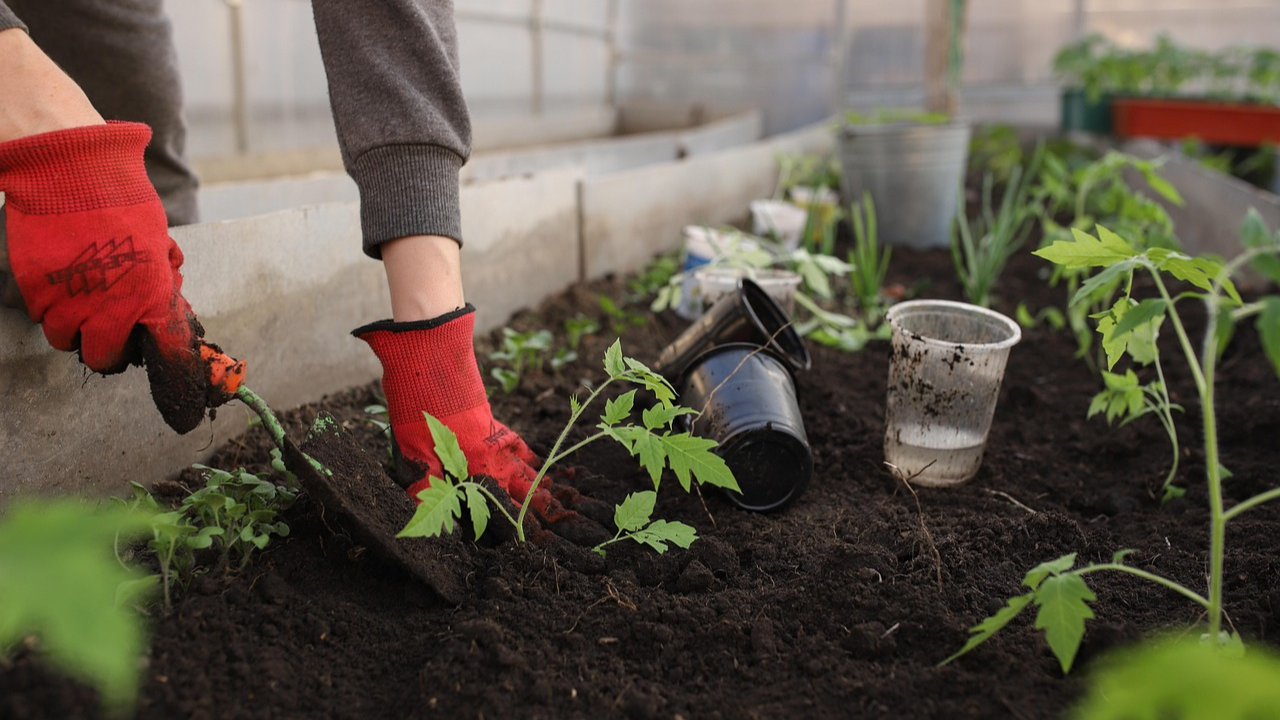
Front-yard vegetable gardens are created through careful planning and soil preparation. Gardening organizations recommend selecting a location that receives at least six hours of sunlight and designing beds no wider than four feet to allow easy access. Raised beds filled with compost and quality soil can improve plant growth and water retention. Experts describe composting as an innovative method that recycles organic waste while enriching soil nutrients. Soil scientists highlight the significance of soil pH testing because balanced soil chemistry supports healthy crops. Urban agriculture specialists report that digital gardening tools represent an emerging trend in residential food production.
Front-yard vegetable gardens are created through careful planning and soil preparation. Gardening organizations recommend selecting a location that receives at least six hours of sunlight and designing beds no wider than four feet to allow easy access. Raised beds filled with compost and quality soil can improve plant growth and water retention. Experts describe composting as an innovative method that recycles organic waste while enriching soil nutrients. Soil scientists highlight the significance of soil pH testing because balanced soil chemistry supports healthy crops. Urban agriculture specialists report that digital gardening tools represent an emerging trend in residential food production.
Discussion Questions:
I will read each question. Then, please answer them.
- Have you ever grown vegetables or plants at home? If so, what vegetables or plants did you grow? If not, what plant would you like to grow in the future?
- Have you ever seen a vegetable garden in someone’s front yard or in your neighborhood? If so, what kinds of vegetables or plants were growing there? If not, do you think people in your area would like front-yard gardens? Why or why not?
- Do you agree that replacing grass lawns with vegetable plants can be better for the environment?
- Why might some people prefer traditional lawns instead of vegetable gardens?
- What challenges might people face when starting a vegetable garden at home?
Summarization:
Please summarize the whole article using your own words and expressions. You will have one minute to prepare before you answer.
Describe:
Please explain the definition of each word listed below based on your understanding. You can provide example sentences if needed.
- vegetable
- environmental
- sustainable
- store-bought
- biodiversity