Pre-reading Questions:
I will read each question. Then, please answer them.
- What does a typical front yard look like in your area?
- Why do you think some people enjoy growing their own vegetables at home?
Vocabulary:
I will read the words, meanings, and sample sentences. Then, repeat after me.
- suburb /SUHB-urb/
[noun] – an area where people live that is outside a city but close to it
Many families choose to live in a suburb because it is quieter than the city center. - fertilizer /FUR-tl-ahy-zer/
[noun] – a substance added to soil to help plants grow better
The farmer added fertilizer to the field before planting corn. - household /HOUS-hohld/
[noun] – a group of people who live together in one home
Each household in the village received clean drinking water. - retention /ri-TEN-shuhn/
[noun] – the ability to keep or hold something for a period of time
The new container improves heat retention during food delivery. - chemistry /KEM-uh-stree/
[noun] – the science that studies substances and how they change or react
A food company uses chemistry to develop new flavors.
Article Reading:
Please read the whole article. Then, I will check your pronunciation and intonation.
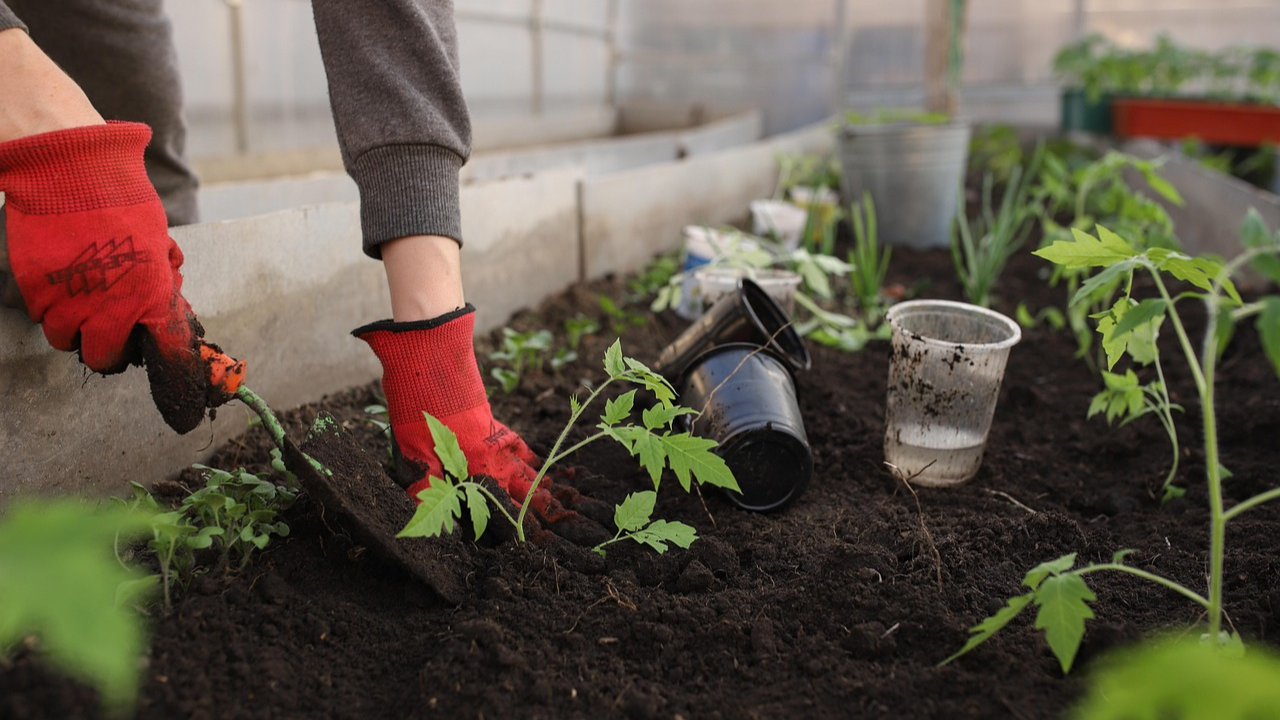
Growing vegetables in front yards is becoming more common in many cities and suburbs. Urban planners and environmental researchers report increasing interest in this practice because of concerns about food security and sustainable living. Community studies in North America and Europe since the early 2020s show that residential vegetable gardens can reduce dependence on store-bought produce and encourage interaction among neighbors. In the past, front lawns were often considered a symbol of suburban status. However, environmental experts say that turfgrass lawns require large amounts of water and fertilizer. Agricultural specialists explain that replacing lawns with edible plants can support more sustainable land use and increase local biodiversity.
A 2023 report on urban gardening found that households with small vegetable beds were able to grow herbs, tomatoes, and leafy greens during warm seasons, which increased the availability of fresh food in local areas. Urban policy researchers note that front-yard gardens can succeed when local regulations allow visible planting and residents follow neighborhood guidelines. Gardening organizations recommend careful planning, including selecting locations that receive at least six hours of sunlight and building beds that are no wider than four feet for easy access. Experts also recommend raised beds filled with compost and high-quality soil to improve plant growth and water retention. Soil scientists emphasize that testing soil pH is important because balanced soil chemistry supports healthy crops.
A 2023 report on urban gardening found that households with small vegetable beds were able to grow herbs, tomatoes, and leafy greens during warm seasons, which increased the availability of fresh food in local areas. Urban policy researchers note that front-yard gardens can succeed when local regulations allow visible planting and residents follow neighborhood guidelines. Gardening organizations recommend careful planning, including selecting locations that receive at least six hours of sunlight and building beds that are no wider than four feet for easy access. Experts also recommend raised beds filled with compost and high-quality soil to improve plant growth and water retention. Soil scientists emphasize that testing soil pH is important because balanced soil chemistry supports healthy crops.
Comprehension Questions:
I will read each question. Then, please answer them based on the article.
- Where is growing vegetables in front yards becoming more common?
- Why are urban planners and environmental researchers interested in front-yard vegetable gardens?
- What can residential vegetable gardens encourage among neighbors?
- What did front lawns often symbolize in the past?
- What vegetables and plants did households grow in small vegetable beds?
Discussion Questions:
I will read each question. Then, please answer them.
- Have you ever grown vegetables or plants at home? If so, what vegetables or plants did you grow? If not, would you like to grow vegetables at home? Why?
- Have you ever seen a vegetable garden in a front yard? If so, what vegetables or plants did you see? If not, do you think a front-yard garden is a good idea? Why?
- Do you agree that replacing lawns with edible plants can help the environment?
- How can front-yard gardens help increase biodiversity in cities?
- Why do you think careful planning is important before starting a vegetable garden?