Vocabulary:
I will read the words, meanings, and sample sentences. Then, repeat after me.
- elusive /ih-LOO-siv/
[adjective] – difficult to find, define, or achieve
Scientists searched for an elusive mushroom species in the forest. - conservation /kon-ser-VEY-shuhn/
[noun] – the protection of plants, animals, and natural areas
The organization supports conservation of rare species. - biodiversity /bahy-oh-di-VUR-si-tee/
[noun] – the number and types of plants and animals that exist in a place
Tropical forests have rich biodiversity. - ecosystem /EE-koh-sis-tuhm/
[noun] – all the living things in an area and the way they affect each other
Fungi play an important role in the forest ecosystem - initiative /ih-NISH-uh-tiv/
[noun] – a new plan or action to solve a problem
The group launched an initiative to study fungi.
Article Reading:
Please read the whole article. Then, I will check your pronunciation and intonation.
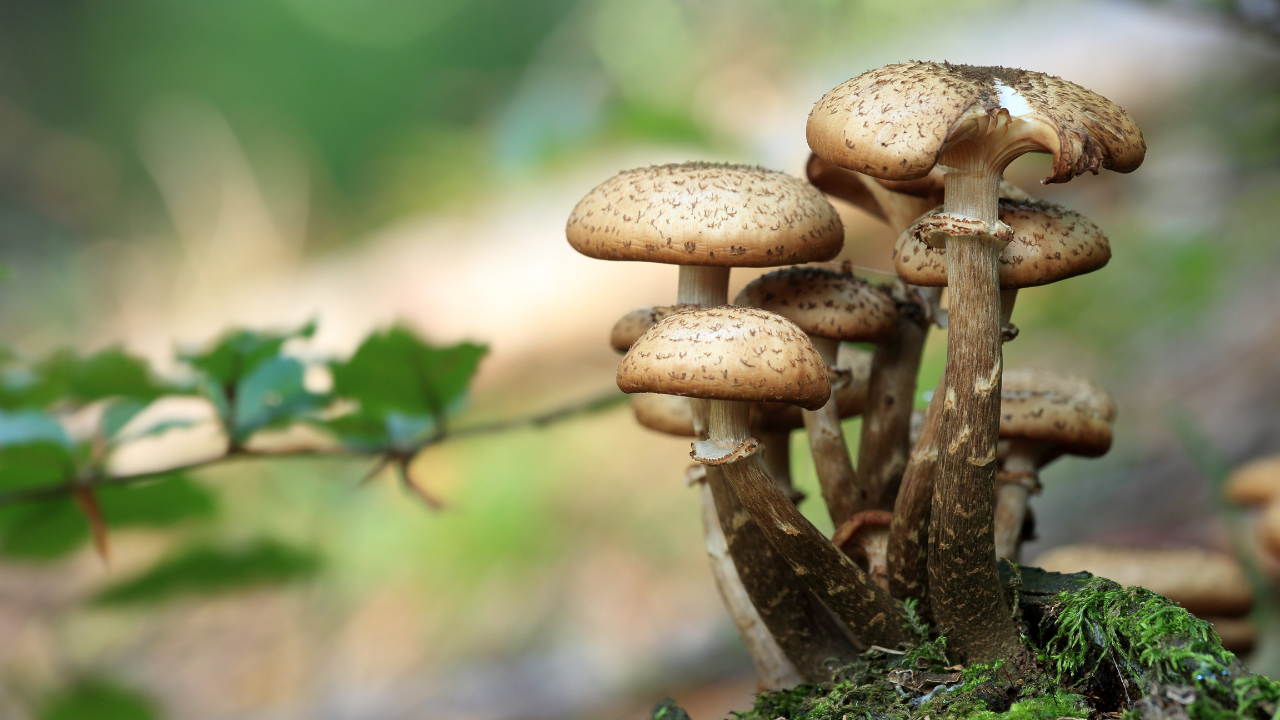
Scientists and citizen researchers gathered in California’s Napa County in early 2026 to search for the elusive Manzanita butter clump, a rare yellow mushroom found only along parts of North America’s western coastline. The search, organized by fungal researchers and conservation groups, reflects growing attention to fungi and the urgent need for their conservation. Researchers say fungi are among the least understood life forms despite playing a critical role in maintaining global biodiversity. During the expedition, scientists instead documented numerous lichens—organisms formed by partnerships between fungi and algae—highlighting the remarkable diversity of fungi that often goes unnoticed in forest landscapes.
Researchers explain that fungi are vital components of natural ecosystems, helping forests recycle nutrients and supporting countless plant and animal species. Yet scientists have formally identified only about 155,000 fungal species, a small portion of the estimated 2.5 million believed to exist worldwide. Efforts to understand this vast kingdom increasingly rely on citizen science initiatives, including photography platforms where volunteers upload observations that scientists can analyze. Conservationists warn that pollution, climate change, habitat loss, and overharvesting threaten many fungal species. According to the International Union for Conservation of Nature, hundreds of fungi already face extinction risks. Researchers emphasize that documenting species is the first step toward protecting them, even if field searches sometimes end without locating the original target species.
Researchers explain that fungi are vital components of natural ecosystems, helping forests recycle nutrients and supporting countless plant and animal species. Yet scientists have formally identified only about 155,000 fungal species, a small portion of the estimated 2.5 million believed to exist worldwide. Efforts to understand this vast kingdom increasingly rely on citizen science initiatives, including photography platforms where volunteers upload observations that scientists can analyze. Conservationists warn that pollution, climate change, habitat loss, and overharvesting threaten many fungal species. According to the International Union for Conservation of Nature, hundreds of fungi already face extinction risks. Researchers emphasize that documenting species is the first step toward protecting them, even if field searches sometimes end without locating the original target species.
Discussion Questions:
I will read each question. Then, please answer them.
- Have you ever gone mushroom hunting in nature? If so, what did the experience feel like? If not, would such an activity be interesting?
- Have you ever learned about fungi or mushrooms in school or during travel? If so, what was learned? If not, would learning about fungi be interesting?
- Do you agree that fungi should receive the same conservation attention as plants and animals?
- What role do fungi play in forests and natural environments?
- Why might protecting fungi be important for the future of global ecosystems?
Summarization:
Please summarize the whole article using your own words and expressions. You will have one minute to prepare before you answer.
Describe:
Please explain the definition of each word listed below based on your understanding. You can provide example sentences if needed.
- citizen
- fungi
- component
- climate
- species