Vocabulary:
I will read the words, meanings, and sample sentences. Then, repeat after me.
- preserve /pri-ZURV/
[verb] – to keep something as it is, especially in order to prevent it from decaying or being damaged or destroyed
Efforts to preserve wetlands have increased in many countries. - peril /PER-uhl/
[noun] – great danger or serious risk
Several animal species remain in peril because of habitat loss. - regulate /REG-yuh-leyt/
[verb] – to control something, especially by making rules
Governments regulate wildlife trade to prevent illegal activity. - sustainable /suh-STEY-nuh-buhl/
[adjective] – able to continue over a long period of time without damaging the environment
Many companies are searching for sustainable ways to produce materials. - abundance /uh-BUHN-duhns/
[noun] – a very large quantity of something
The forest provides an abundance of food for wildlife.
Article Reading:
Please read the whole article. Then, I will check your pronunciation and intonation.
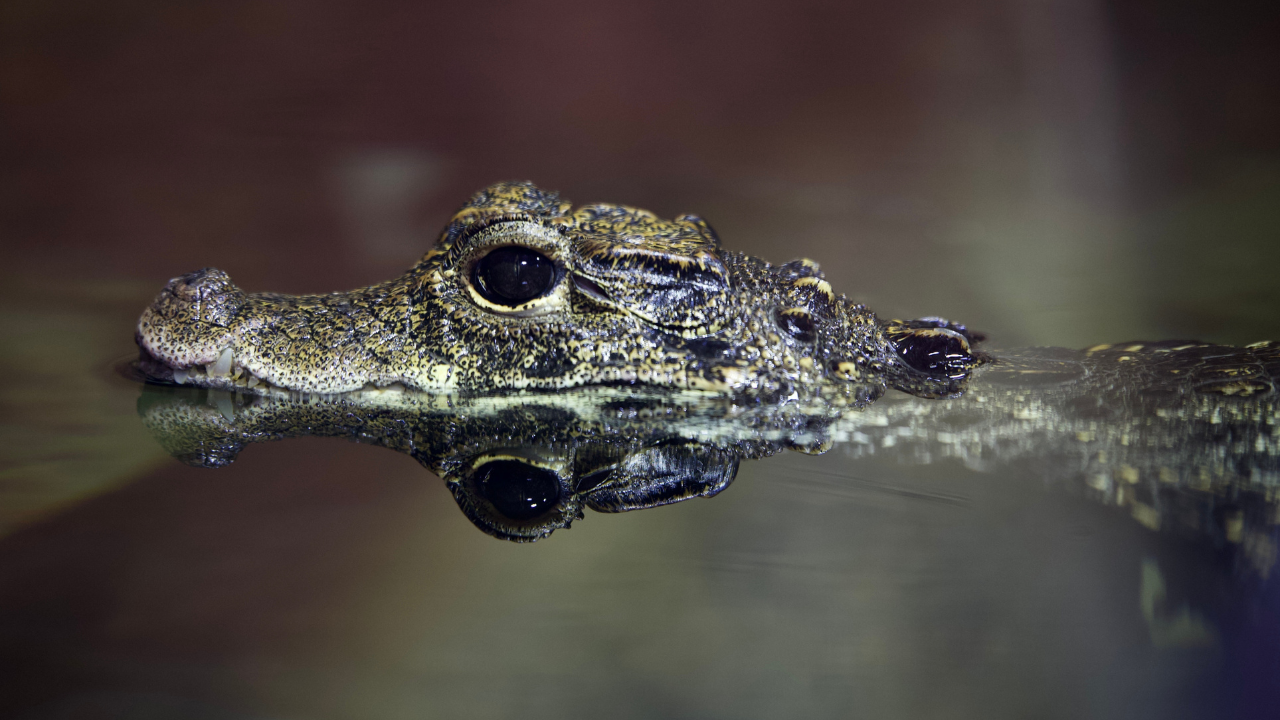
American alligator farming in Louisiana has developed into a system designed to preserve a species once in serious peril, linking wildlife conservation with commercial trade. At a family-run facility such as Vermilion Gator Farm, hides are carefully inspected, graded and tagged before shipment to tanneries that prepare leather for luxury goods. The tags allow authorities to regulate the international trade of alligator skins and verify that products originate from legal operations. Officials and industry advocates argue that the program has created a sustainable balance between conservation and commerce, while critics question the ethics of farming animals for fashion markets.
The system began decades ago when scientists and Louisiana wildlife officials introduced a plan allowing farmers to collect wild eggs, raise young alligators for meat and skins, and release a portion back into natural wetlands. The approach helped populations recover after the species was placed on the endangered list and later removed in 1987. Louisiana now produces about 400,000 farmed alligators annually and estimates roughly three million animals living in the wild. Researchers also continue to examine the ecological importance of the reptiles, including studies suggesting wetlands with an abundance of alligators may store more carbon. Such findings may strengthen arguments that conservation programs tied to regulated markets can protect wildlife while supporting regional economies.
The system began decades ago when scientists and Louisiana wildlife officials introduced a plan allowing farmers to collect wild eggs, raise young alligators for meat and skins, and release a portion back into natural wetlands. The approach helped populations recover after the species was placed on the endangered list and later removed in 1987. Louisiana now produces about 400,000 farmed alligators annually and estimates roughly three million animals living in the wild. Researchers also continue to examine the ecological importance of the reptiles, including studies suggesting wetlands with an abundance of alligators may store more carbon. Such findings may strengthen arguments that conservation programs tied to regulated markets can protect wildlife while supporting regional economies.
Discussion Questions:
I will read each question. Then, please answer them.
- Have you ever visited a wildlife farm or conservation center? If so, what was the experience like? If not, would visiting one be interesting?
- Have you ever seen products made from animal leather? If so, what kind of items were they? If not, what alternatives might be available?
- Do you agree that commercial farming can help protect endangered species?
- What role should governments play in regulating wildlife trade?
- How can societies balance environmental protection with economic interests?
Summarization:
Please summarize the whole article using your own words and expressions. You will have one minute to prepare before you answer.
Describe:
Please explain the definition of each word listed below based on your understanding. You can provide example sentences if needed.
- develop
- conversation
- inspect
- introduce
- regulate