©AP Photo/Rafiq Maqbool
Vocabulary:
I will read the words, meanings, and sample sentences. Then, repeat after me.
- transit /TRAN-zit/
[noun] – the act of moving something or someone from one place to another
The goods are in transit to another country. - resilience /ri-ZIL-yuhns/
[noun] – the ability to be happy or successful again after something difficult
The company showed resilience after facing problems. - oversight /OH-ver-sahyt/
[noun] – the fact of someone being in charge of a job or situation
The project was completed under careful oversight. - analytics /an-uh-LIT-iks/
[noun] – the use of information and data to understand and improve things
The team used analytics to study market trends. - coordinated /koh-OR-duh-nay-tid/
[adjective] – working together in an organized and effective way
The group made a coordinated effort to finish the task.
Article Reading:
Please read the whole article. Then, I will check your pronunciation and intonation.
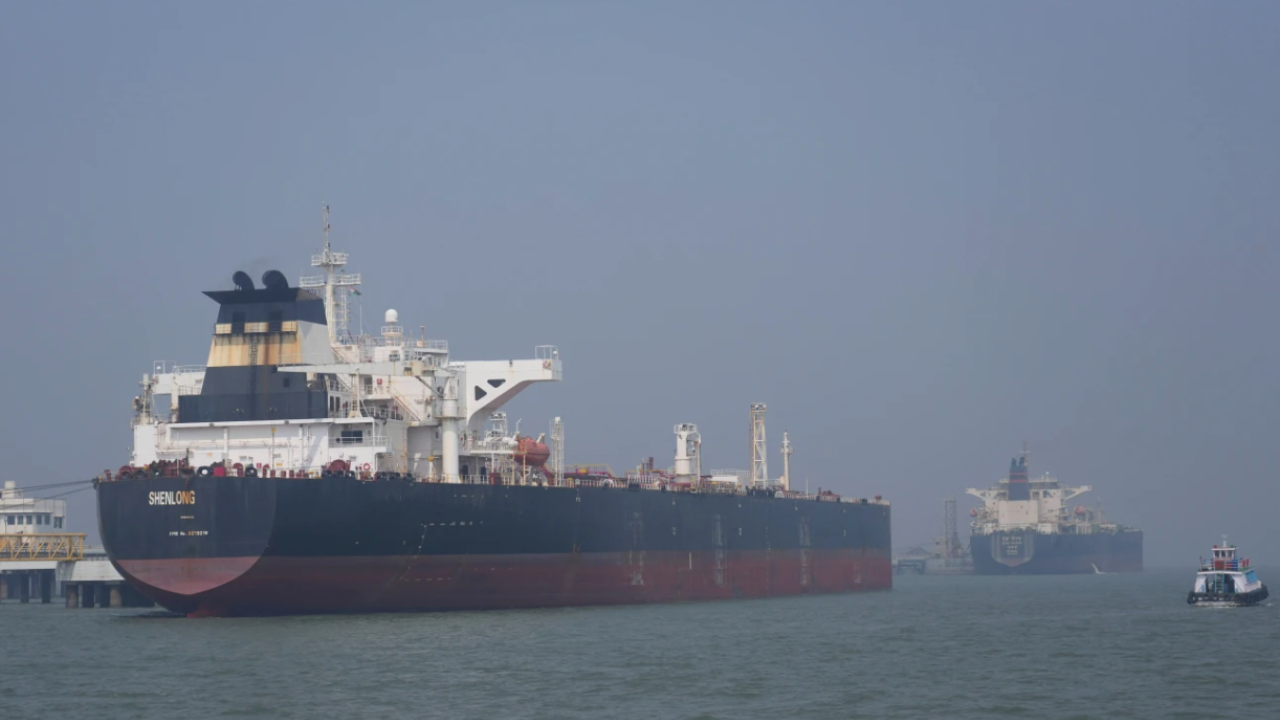
Around 90 ships, including oil tankers, have continued transit through the Strait of Hormuz since early March, sustaining the movement of millions of barrels of oil despite reduced activity in the waterway. Maritime data platforms report that these voyages have kept exports active, highlighting the ongoing importance of the route for global energy supply. The strait carries roughly one-fifth of the world’s crude oil, making consistent flow essential for market stability. Analysts note that strong export figures indicate notable resilience in supply chains, even as overall shipping levels have remained below typical conditions since early March.
Many of these voyages have occurred with limited tracking and regulatory oversight, as some vessels have operated without full visibility. Trade data from monitoring firms shows continued movement supported by agreements between regional stakeholders, enabling stable passage for selected ships. Platforms specializing in energy analytics estimate that more than 16 million barrels of oil have been exported since early March, reflecting sustained demand from major buyers such as China. Experts add that coordinated arrangements have created controlled routes for transport, allowing shipments to proceed efficiently. As a result, oil prices have remained elevated, with analysts suggesting that tanker movement through the strait has continued to shape global energy trends.
Many of these voyages have occurred with limited tracking and regulatory oversight, as some vessels have operated without full visibility. Trade data from monitoring firms shows continued movement supported by agreements between regional stakeholders, enabling stable passage for selected ships. Platforms specializing in energy analytics estimate that more than 16 million barrels of oil have been exported since early March, reflecting sustained demand from major buyers such as China. Experts add that coordinated arrangements have created controlled routes for transport, allowing shipments to proceed efficiently. As a result, oil prices have remained elevated, with analysts suggesting that tanker movement through the strait has continued to shape global energy trends.
Discussion Questions:
I will read each question. Then, please answer them.
- Have you ever followed news about global oil supply? If so, what did you learn? If not, would you be interested in it?
- Have you ever studied how transportation affects prices? If so, what examples did you find? If not, what do you think about it?
- Do you agree that stable oil transport is important for the global economy?
- What factors do you think affect oil prices the most?
- How might countries prepare for sudden changes in energy supply routes?
Summarization:
Please summarize the whole article using your own words and expressions. You will have one minute to prepare before you answer.
Describe:
Please explain the definition of each word listed below based on your understanding. You can provide example sentences if needed.
- movement
- export
- occur
- estimate
- shape