Vocabulary:
I will read the words, meanings, and sample sentences. Then, repeat after me.
- arcane /ahr-KEYN/
[adjective] – mysterious and difficult to understand
The old map had many arcane symbols that explorers tried to understand. - mitigate /MIT-i-geyt/
[verb] – to make something less harmful, unpleasant, or bad
Doctors tried to mitigate the pain with a new type of medicine. - revelatory /ri-VEL-uh-tawr-ee/
[adjective] – showing something that was not known before
The report was revelatory, giving surprising facts about the environment. - consolidate /kuhn-SOL-i-deyt/
[verb] – to bring things together so they become stronger or easier to manage
The company plans to consolidate its offices into one building. - discerning /dih-SUR-ning/
[adjective] – showing good judgment, especially about quality or details
Alignment with article: Doctors must be discerning to notice subtle early symptoms of the illness.
Article Reading:
Please read the whole article. Then, I will check your pronunciation and intonation.
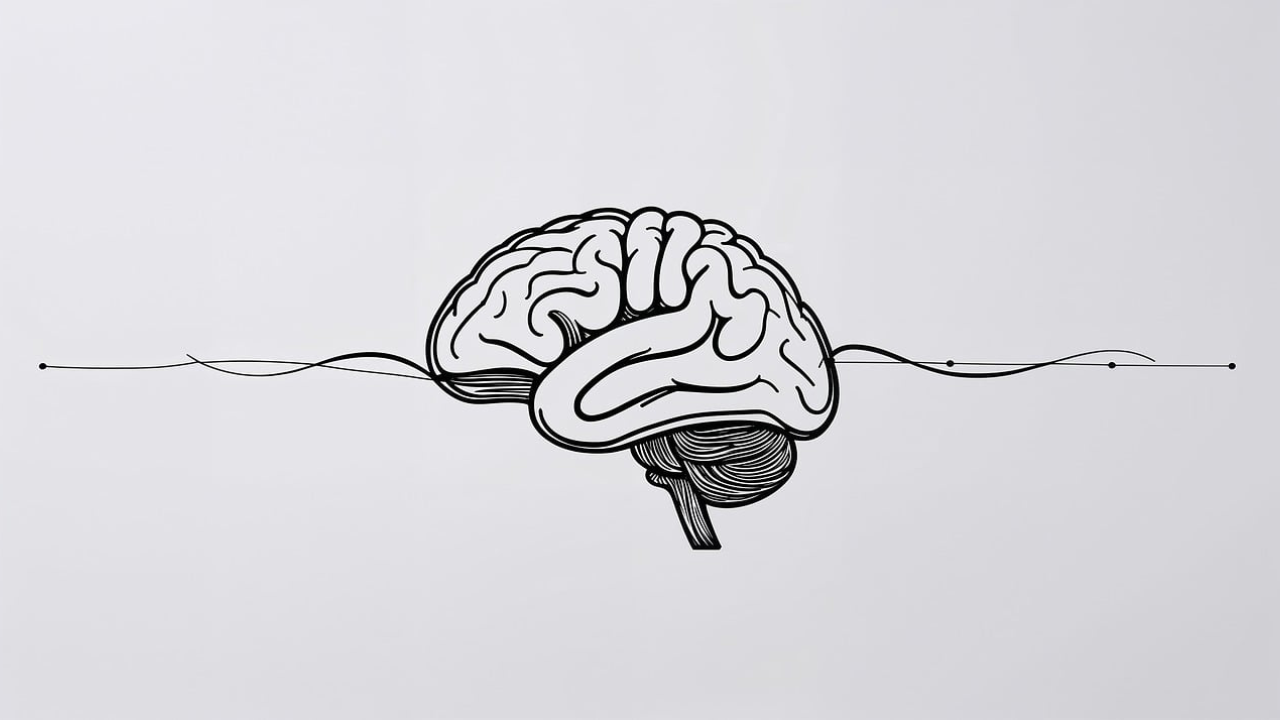
Autoimmune encephalitis was reported as a serious condition that appeared when the body’s defenses mistakenly attacked brain tissue, leading to sudden problems in memory, movement, and behavior. Cases were documented in states such as California and North Carolina, where symptoms developed without warning and sometimes resembled psychiatric disorders. Doctors explained that the illness became a major concern because early signs were difficult to identify and often confused with other medical issues. Research teams also stated that new antibodies were discovered every year, helping specialists understand the condition further and making the field less arcane for hospitals handling these patients. Neurologists added that the illness required careful monitoring because inflammation in the brain could spread quickly and create long-term complications if left untreated.
Treatment strategies focused on medication that reduced inflammation and on procedures that removed harmful antibodies from the bloodstream. Medical groups reported that new clinical trials aimed to mitigate long-term damage by targeting the illness more directly. Experts described these trials as revelatory because they offered new information about how different antibodies affected specific brain regions. Community organizations continued to consolidate data from hospitals, allowing specialists to compare symptoms, treatment responses, and recovery patterns. According to neurologists, early diagnosis remained essential because faster treatment improved the chances of returning to daily activities. Researchers emphasized that continued study was important for discerning subtle symptoms that often appeared before seizures, hallucinations, or major memory loss. Ongoing efforts were expected to support better patient outcomes, strengthen awareness, and guide future medical interventions for this complex and rapidly developing condition.
Treatment strategies focused on medication that reduced inflammation and on procedures that removed harmful antibodies from the bloodstream. Medical groups reported that new clinical trials aimed to mitigate long-term damage by targeting the illness more directly. Experts described these trials as revelatory because they offered new information about how different antibodies affected specific brain regions. Community organizations continued to consolidate data from hospitals, allowing specialists to compare symptoms, treatment responses, and recovery patterns. According to neurologists, early diagnosis remained essential because faster treatment improved the chances of returning to daily activities. Researchers emphasized that continued study was important for discerning subtle symptoms that often appeared before seizures, hallucinations, or major memory loss. Ongoing efforts were expected to support better patient outcomes, strengthen awareness, and guide future medical interventions for this complex and rapidly developing condition.
Discussion Questions:
I will read each question. Then, please answer them.
- Have you ever heard about a medical condition that was difficult to understand? If so, what part of the condition seemed confusing? If not, what medical topic would you like to understand better?
- Have you ever known someone who needed early treatment for a sudden illness? If so, what helped the person get better quickly? If not, what do you think helps people recover faster?
- Do you agree that hospitals should invest more in research to find new antibodies?
- Why might a disease like autoimmune encephalitis be difficult to identify without advanced tests?
- How could new clinical trials change the future treatment of complex neurological conditions?
Summarization:
Please summarize the whole article using your own words and expressions. You will have one minute to prepare before you answer.
Describe:
Please explain the definition of each word listed below based on your understanding. You can provide example sentences if needed.
- condition
- medical
- antibody
- treatment
- intervention