Vocabulary:
I will read the words, meanings, and sample sentences. Then, repeat after me.
- fatality /fey-TAL-i-tee/
[noun] – a death caused by an accident, disaster, or dangerous event
The storm caused one fatality in a small coastal town. - misidentification /mih-sy-den-tuh-fi-KAY-shun/
[noun] – the act of recognizing or naming something incorrectly
A misidentification of chemicals in the lab led to a temporary safety alert. - edible /ED-uh-buhl/
[adjective] – safe to eat
The guide showed which plants in the forest were edible during the survival class. - nausea /NAW-zee-uh/
[noun] – a feeling of sickness in the stomach
The passenger felt nausea during the long boat ride across the lake. - amatoxin /a-muh-TOK-sin/
[noun] – a poisonous substance found in certain mushrooms
Researchers studied how amatoxin affects cells in laboratory animals.
Article Reading:
Please read the whole article. Then, I will check your pronunciation and intonation.
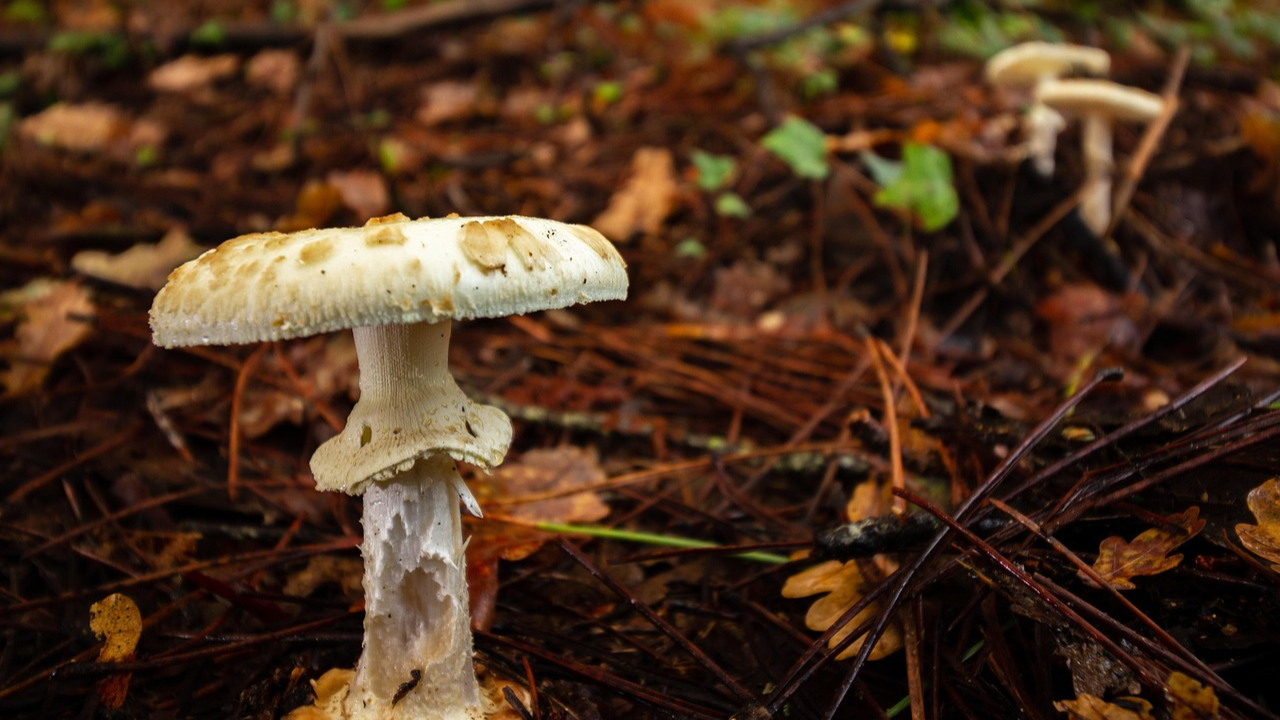
California health authorities issued a warning in early December after an outbreak of wild mushroom poisonings caused one reported fatality and several cases of severe illness across multiple regions. The state poison control system confirmed 21 instances of amatoxin poisoning linked to death cap mushrooms collected in public areas, including a park in Monterey County. Additional cases in the San Francisco Bay Area showed that the threat extended statewide. Officials reported that recent wet weather supported rapid mushroom growth, increasing the likelihood of misidentification. The advisory emphasized that death caps contain toxins capable of causing liver failure, a complication that has required organ transplants in critical cases.
Experts explained how the poisonings occurred and why the risk remains significant during winter. Health officials noted that toxic mushrooms are often mistaken for edible species because they share similar shapes and colors, a factor that has challenged public awareness for years. Specialists added that early symptoms such as nausea and vomiting may appear to improve before more serious organ damage develops, creating delays in treatment. National poison data from 2023 recorded more than 4,500 exposures to unidentified mushrooms, providing broader context for the hazard. Officials also warned that children face elevated risk because accidental ingestion can occur during outdoor play. The advisory urged immediate medical consultation in suspected cases, as early treatment can prevent catastrophic outcomes and reduce long-term harm from amatoxin exposure, which experts described as pervasive and hazardous during mushroom growth.
Experts explained how the poisonings occurred and why the risk remains significant during winter. Health officials noted that toxic mushrooms are often mistaken for edible species because they share similar shapes and colors, a factor that has challenged public awareness for years. Specialists added that early symptoms such as nausea and vomiting may appear to improve before more serious organ damage develops, creating delays in treatment. National poison data from 2023 recorded more than 4,500 exposures to unidentified mushrooms, providing broader context for the hazard. Officials also warned that children face elevated risk because accidental ingestion can occur during outdoor play. The advisory urged immediate medical consultation in suspected cases, as early treatment can prevent catastrophic outcomes and reduce long-term harm from amatoxin exposure, which experts described as pervasive and hazardous during mushroom growth.
Discussion Questions:
I will read each question. Then, please answer them.
- Have you ever seen wild mushrooms while walking in a park or forest? If so, what did the mushrooms look like, and what did you think about them? If not, where do you think wild mushrooms might usually grow?
- Have you ever been taught how to stay safe around wild plants or natural objects? If so, what safety advice did you learn? If not, what safety advice do you think would be important?
- Do you agree that schools and local governments should play a bigger role in teaching people about toxic mushrooms?
- Why do you think toxic mushrooms are still mistaken for edible ones, even with modern information available?
- What safety measures could communities introduce to reduce mushroom poisoning cases?
Summarization:
Please summarize the whole article using your own words and expressions. You will have one minute to prepare before you answer.
Describe:
Please explain the definition of each word listed below based on your understanding. You can provide example sentences if needed.
- warning
- outbreak
- illness
- public area
- complication