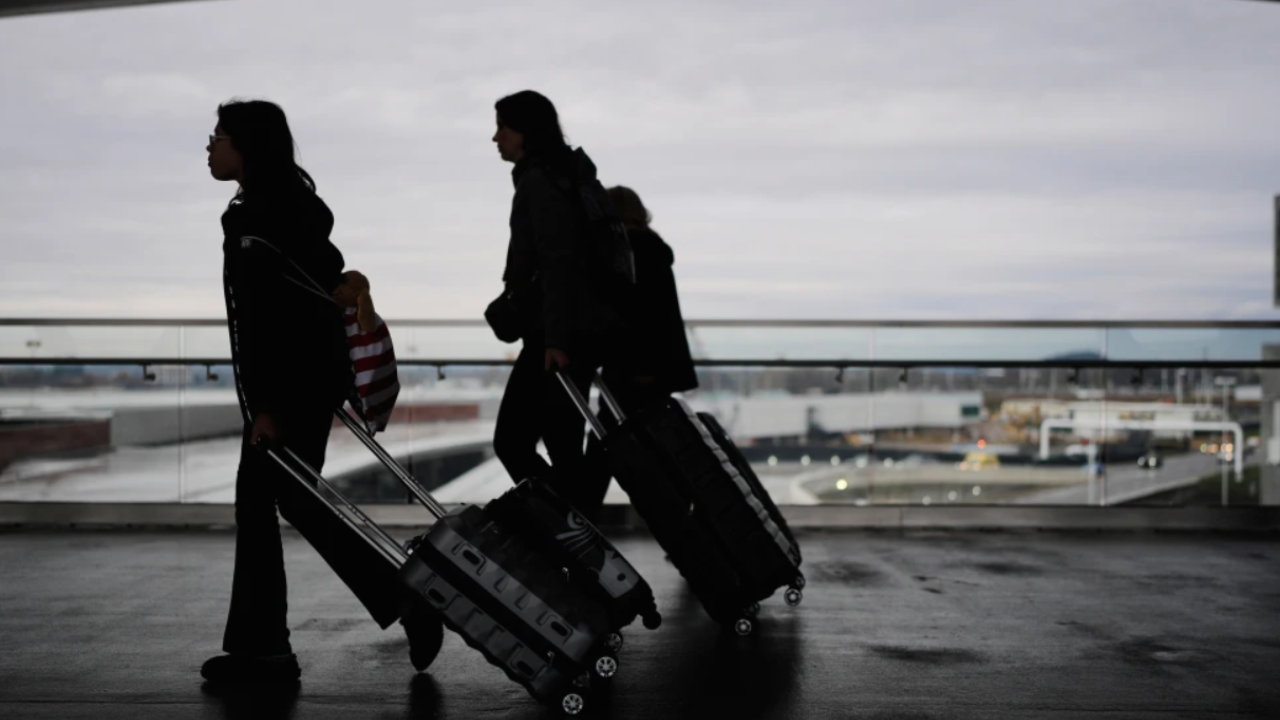
©AP Photo/George Walker IV
Vocabulary:
I will read the words, meanings, and sample sentences. Then, repeat after me.
- precursor /pri-KUR-ser/
[noun] – something that happens before another event and may influence it
Analysts viewed the early sale as a precursor to a larger promotional campaign. - scrutiny /SKROO-tuh-nee/
[noun] – careful and detailed examination
The offer drew scrutiny from experts who questioned its conditions. - volatile /VOL-uh-til/
[adjective] – likely to change suddenly
Airfare remained volatile due to fluctuating demand. - mitigate /MIT-i-geyt/
[verb] – to reduce the harmful effects of something
Comparing prices can mitigate unexpected travel costs. - authenticate /aw-THEN-ti-keyt/
[verb] – to prove that something is real or true
The platform used data to authenticate the validity of its offer.
Article Reading:
Please read the whole article. Then, I will check your pronunciation and intonation.
Airlines, hotels, and travel platforms expanded their participation in Travel Tuesday (November 25, 2025) on the day after Cyber Monday, promoting short-term discounts intended to draw bookings during a typically slow late-November period. The event, held across major U.S. markets, gained momentum because companies sought to counter declining seasonal demand and position themselves competitively as holiday shoppers scanned for post-Thanksgiving deals. Consumer specialists said the one-day promotions often functioned as a precursor to broader sales cycles and warned that marketing emphasizing urgency could obscure inflated baseline prices or conditional terms. Travel analysts noted that growing interest in these campaigns reflected shifting retail patterns in which more sectors attempt to secure visibility during the crowded holiday season.
Industry experts explained that travelers can reduce risk by examining offer details carefully, especially when blackout dates, nonrefundable fares, or bundled incentives may limit genuine value. Advocacy groups added that evaluating past price histories can help determine whether discounts withstand independent scrutiny. Analysts also observed that fare shifts tend to be volatile because routes respond to supply, demand, and competition. Some specialists recommended steps to mitigate potential misunderstandings by comparing itineraries across multiple platforms before purchasing. Others noted that companies continue to frame promotional language to authenticate exclusivity, even when overall pricing fluctuates. Researchers reported that Travel Tuesday emerged after historical data showed notable surges in trip planning immediately after Cyber Monday. While the trend remains concentrated in North America, consultants said European operators may eventually adopt the practice as global retail calendars continue to diversify.
Industry experts explained that travelers can reduce risk by examining offer details carefully, especially when blackout dates, nonrefundable fares, or bundled incentives may limit genuine value. Advocacy groups added that evaluating past price histories can help determine whether discounts withstand independent scrutiny. Analysts also observed that fare shifts tend to be volatile because routes respond to supply, demand, and competition. Some specialists recommended steps to mitigate potential misunderstandings by comparing itineraries across multiple platforms before purchasing. Others noted that companies continue to frame promotional language to authenticate exclusivity, even when overall pricing fluctuates. Researchers reported that Travel Tuesday emerged after historical data showed notable surges in trip planning immediately after Cyber Monday. While the trend remains concentrated in North America, consultants said European operators may eventually adopt the practice as global retail calendars continue to diversify.
Discussion Questions:
I will read each question. Then, please answer them.
- What travel promotions have been seen in the community, if any? If so, what made them effective? If not, what type of promotion would be helpful
- What seasonal sales have been noticed in local stores, if any? If so, how did people respond? If not, what sale might attract interest?
- Do experts make a strong point when they warn that discounts may hide conditions?
- How can consumers better identify real travel savings?
- Should travel companies be required to show past price histories during sales?
Summarization:
Please summarize the whole article using your own words and expressions. You will have one minute to prepare before you answer.
Describe:
Please explain the definition of each word listed below based on your understanding. You can provide example sentences if needed.
- platform
- specialist
- secure
- genuine
- recommend