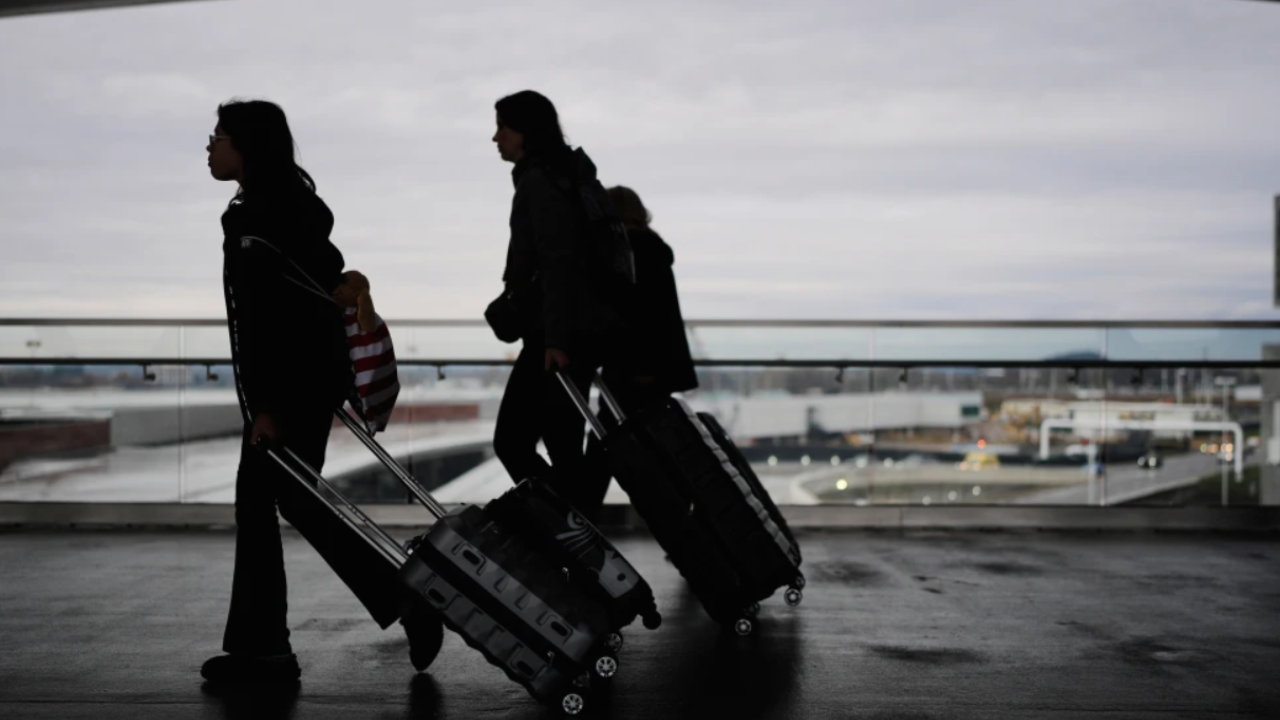
©AP Photo/George Walker IV
Pre-reading Questions:
I will read each question. Then, please answer them.
- What holiday sales events are commonly discussed in media?
- What travel promotions have been reported recently?
Vocabulary:
I will read the words, meanings, and sample sentences. Then, repeat after me.
- propagate /PROP-uh-geyt/
[verb] – to spread opinions, beliefs, or ideas among many people
The company tried to propagate interest in its new travel program. - conspicuous /kuhn-SPIK-yoo-uhs/
[adjective] – easily seen or noticed
The large countdown timer made the offer very conspicuous. - precipitate /pri-SIP-i-teyt/
[verb] – to cause something to happen suddenly or sooner
Unclear wording can precipitate confusion among customers. - discrepancy /dis-KREP-uhn-see/
[noun] – a difference between two things that should be the same
A discrepancy between the listed fare and the final price worried reviewers. - remunerative /ri-MYOO-ner-uh-tiv/
[adjective] – providing payment or reward
Some discounts may not be as remunerative as they appear.
Article Reading:
Please read the whole article. Then, I will check your pronunciation and intonation.
Travel Tuesday (November 25, 2025) expanded across U.S. travel sectors as airlines, hotels, and booking platforms issued limited-day offers meant to energize sales during a period when reservations typically slow after Thanksgiving. Companies promoted large markdowns to compete for attention at a time when shoppers remained active online following Cyber Monday. Consumer advocates said the rapid rise of this event shows how industries attempt to adapt their strategies and propagate new spending habits. Specialists warned that countdown timers and dramatic language can make discounts appear more urgent than they are, creating a conspicuous sense of scarcity. Analysts added that some deals may precipitate confusion when the advertised savings differ from past price trends or when restrictions are not clearly displayed.
Experts encouraged travelers to examine fare conditions, review blackout dates, and compare records across multiple booking channels. They said a careful look at the details can reveal whether a discount is genuine or if a discrepancy exists between the promotion and the usual cost. Some organizations observed that companies aim to protect revenue by keeping headline prices high while offering add-ons, credit bonuses, or point bundles instead of lowering base fares. Consultants described this approach as a method for maintaining prestige while still filling inventory. Analysts noted that peak-season travel remains expensive despite discounts, raising questions about how remunerative these offers truly are for customers. Research groups explained that Travel Tuesday originated when data showed unusually high booking activity on the day after Cyber Monday. The trend has spread slowly to Canada and may eventually reach Europe as more regions adopt U.S.-style shopping events.
Experts encouraged travelers to examine fare conditions, review blackout dates, and compare records across multiple booking channels. They said a careful look at the details can reveal whether a discount is genuine or if a discrepancy exists between the promotion and the usual cost. Some organizations observed that companies aim to protect revenue by keeping headline prices high while offering add-ons, credit bonuses, or point bundles instead of lowering base fares. Consultants described this approach as a method for maintaining prestige while still filling inventory. Analysts noted that peak-season travel remains expensive despite discounts, raising questions about how remunerative these offers truly are for customers. Research groups explained that Travel Tuesday originated when data showed unusually high booking activity on the day after Cyber Monday. The trend has spread slowly to Canada and may eventually reach Europe as more regions adopt U.S.-style shopping events.
Comprehension Questions:
I will read each question. Then, please answer them based on the article.
- Why do companies issue Travel Tuesday offers?
- What behavior do advocates say the event tries to propagate?
- What tactic can create a conspicuous sense of urgency?
- Why can some deals precipitate confusion?
- What should travelers examine before deciding on an offer?
Discussion Questions:
I will read each question. Then, please answer them.
- What holiday promotions have been noticed in local stores, if any? If so, which ones stood out? If not, what kind of promotion might attract shoppers?
- What travel sales have been reported in the community, if any? If so, how were they advertised? If not, what type of sale would be helpful?
- Do advocates make a valid point when they warn about unclear travel terms?
- How can travelers judge whether an offer is genuinely beneficial?
- Should companies be required to reveal pricing history before advertising sales?