Vocabulary:
I will read the words, meanings, and sample sentences. Then, repeat after me.
- intangible /in-TAN-juh-buhl/
[adjective] – unable to be touched or physically measured
The museum’s award recognized the intangible value of traditional storytelling in small communities. - intergenerational /in-ter-jen-uh-REY-shuh-nl/
[adjective] – involving or affecting people from different generations
The festival promoted intergenerational activities to help preserve family traditions. - distinctive /dih-STINGK-tiv/
[adjective] – having a special quality that makes something easy to recognize
The mountain village had a distinctive architecture shaped by its long history. - safeguard /SEYF-gahrd/
[verb] – to protect something from harm, loss, or damage
The organization safeguarded historical documents by storing them in climate-controlled rooms. - comprehensive /kom-pri-HEN-siv/
[adjective] – including all or nearly all elements; complete and detailed
The city released a comprehensive plan to guide transportation improvements over the next decade.
Article Reading:
Please read the whole article. Then, I will check your pronunciation and intonation.
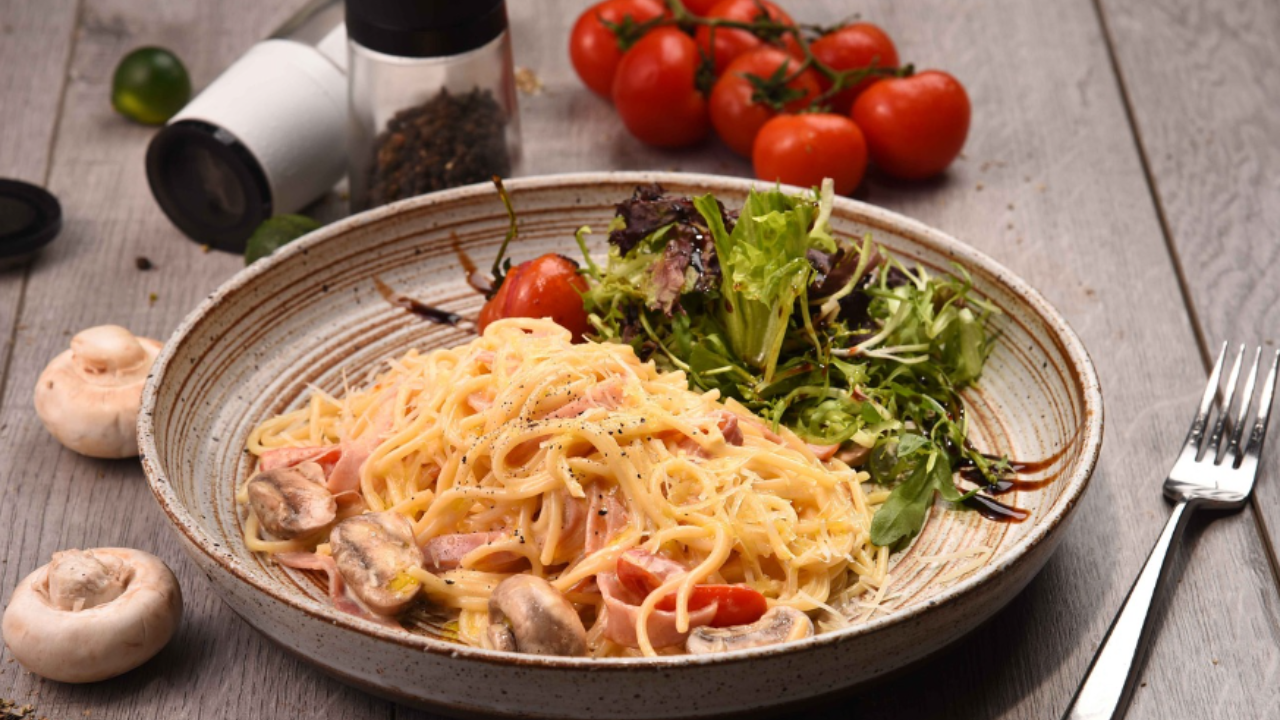
Italian cuisine received international attention on December 10, 2025, when UNESCO added the traditions of preparing and sharing Italian food to its Intangible Cultural Heritage list. The designation was announced during a committee meeting in New Delhi, where UNESCO reviewed global cultural practices. The recognition focused on the cultural rituals of Italian cooking, including family meals, intergenerational learning, and regional customs. Italian authorities emphasized that the listing reflected the importance of cuisine as part of national identity. The campaign also highlighted the value of sustainable food practices, seasonal ingredients, and efforts to limit waste, which supported the decision. Experts involved in the evaluation stated that the Italian approach to food represented a profound expression of cultural heritage that extended beyond individual dishes.
The recognition illustrated how food traditions can influence economic activity and community life. After a previous UNESCO listing for Neapolitan pizza-making in 2017, accredited training schools expanded rapidly, showing how cultural status can create momentum for education and tourism. Officials noted that Italian cuisine demonstrated strong regional diversity shaped by migration and local history, a characteristic that made the tradition distinctive within global culinary culture. Analysts reported that shared dining routines played an important role in strengthening relationships, and this feature was viewed as a notable cultural advantage. UNESCO also examined how Italy documented and safeguarded these practices, which showed a comprehensive approach to preservation. Italian cuisine now joins other food-related listings, such as the French gastronomic meal and culinary traditions from Senegal, Brazil, and Spain, reinforcing the global importance of protecting cultural knowledge linked to food.
The recognition illustrated how food traditions can influence economic activity and community life. After a previous UNESCO listing for Neapolitan pizza-making in 2017, accredited training schools expanded rapidly, showing how cultural status can create momentum for education and tourism. Officials noted that Italian cuisine demonstrated strong regional diversity shaped by migration and local history, a characteristic that made the tradition distinctive within global culinary culture. Analysts reported that shared dining routines played an important role in strengthening relationships, and this feature was viewed as a notable cultural advantage. UNESCO also examined how Italy documented and safeguarded these practices, which showed a comprehensive approach to preservation. Italian cuisine now joins other food-related listings, such as the French gastronomic meal and culinary traditions from Senegal, Brazil, and Spain, reinforcing the global importance of protecting cultural knowledge linked to food.
Discussion Questions:
I will read each question. Then, please answer them.
- Have you ever learned a cooking skill from an older family member? If so, what did you learn, and how did it help you? If not, what cooking skill would you like to learn from someone?
- Have you ever noticed differences between homemade food and restaurant food in your culture? If so, what differences stood out to you? If not, which type of food do you think would feel more traditional, and why?
- Do you agree that food traditions can help strengthen relationships within a community?
- Why do you think UNESCO chooses to protect food traditions, not just historic buildings or natural sites?
- In what ways can international recognition, like a UNESCO listing, influence tourism and education in a country?
Summarization:
Please summarize the whole article using your own words and expressions. You will have one minute to prepare before you answer.
Describe:
Please explain the definition of each word listed below based on your understanding. You can provide example sentences if needed.
- international
- tradition
- cultural practice
- national identity
- education