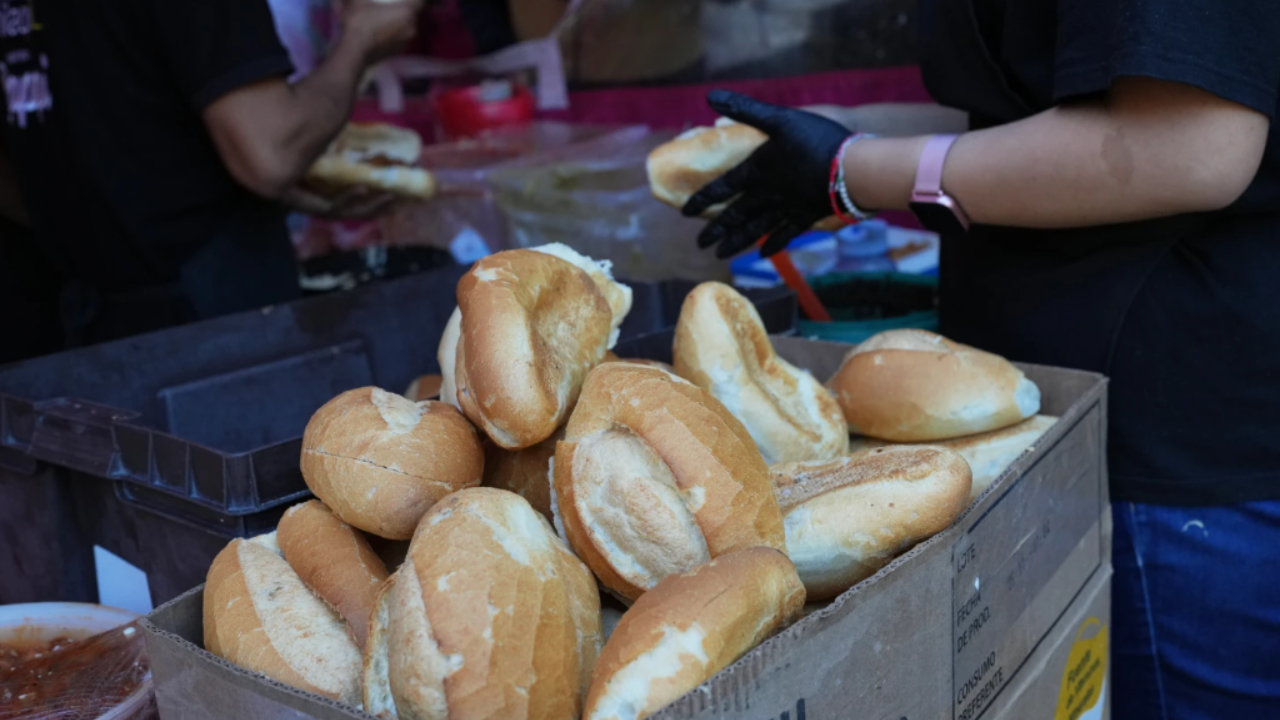
©(AP Photo/Marco Ugarte)
Pre-reading Questions:
I will read each question. Then, please answer them.
- What kinds of bread are common in your daily life?
- How would you feel if someone criticized a food that is popular in your country?
Vocabulary:
I will read the words, meanings, and sample sentences. Then, repeat after me.
- backlash /BAK-lash/
[noun] – a strong negative reaction from people
The decision led to backlash on social media after the announcement. - podcast /POD-kast/
[noun] – a recorded audio program shared online
The scientist explained the study in a podcast about health. - remark /rih-MARK/
[noun] – a spoken comment or statement
The official’s remark caused concern during the meeting. - lack /lak/
[verb] – to not have enough of something
The report said the city lacked clear safety plans. - debate /dih-BEYT/
[noun] – a public discussion with different opinions
The law caused a national debate among experts.
Article Reading:
Please read the whole article. Then, I will check your pronunciation and intonation.
An online backlash emerged in late 2024 after comments by Richard Hart, a British baker based in Mexico City, resurfaced from a food-themed podcast interview. Hart, a co-founder of the bakery Green Rhino, questioned the strength of Mexico’s bread tradition and criticized common sandwich rolls as low quality. The remarks spread widely on social media and drew criticism from Mexican bakers, food experts, and the public. Many responses stressed that bread is part of daily life, especially traditional items such as bolillos and conchas sold in neighborhood bakeries. The comments gained attention because bread in Mexico developed into a local tradition after wheat was introduced during the colonial period, and small bakeries continue to play an important cultural role.
As the discussion continued, experts explained that Mexican breadmaking combines European techniques with local ingredients and tastes. Culinary professionals noted that criticism of industrial bread already exists within Mexico, but these conversations are more accepted when led by Mexican voices. The situation also raised concerns about foreign-owned businesses receiving greater attention in the capital’s food industry, particularly as artisanal bakeries selling European-style bread often charge higher prices. Facing growing public criticism, Hart later issued a public apology on social media, stating that the comments were poorly expressed and lacked respect for Mexican culture. The apology did not end the debate, as many users linked the issue to wider concerns about cultural authority and food identity.
As the discussion continued, experts explained that Mexican breadmaking combines European techniques with local ingredients and tastes. Culinary professionals noted that criticism of industrial bread already exists within Mexico, but these conversations are more accepted when led by Mexican voices. The situation also raised concerns about foreign-owned businesses receiving greater attention in the capital’s food industry, particularly as artisanal bakeries selling European-style bread often charge higher prices. Facing growing public criticism, Hart later issued a public apology on social media, stating that the comments were poorly expressed and lacked respect for Mexican culture. The apology did not end the debate, as many users linked the issue to wider concerns about cultural authority and food identity.
Comprehension Questions:
I will read each question. Then, please answer them based on the article.
- Who made the comments that caused the backlash?
- Where is Richard Hart based?
- What did Hart criticize about Mexico’s bread?
- Where did the remarks spread quickly?
- What did experts say about Mexican breadmaking?
Discussion Questions:
I will read each question. Then, please answer them.
- Have you ever seen people talk about food on social media? If so, what food were they talking about? If not, why do you think people like to talk about food online?
- Have you ever eaten bread from a small local bakery? If so, how was it different from store-bought bread? If not, where do you usually buy bread?
- Do you agree that bread can be an important part of culture?
- Why did the comments about bread cause strong reactions from many people?
- What differences can exist between local bakeries and foreign-owned bakeries?