Vocabulary:
I will read the words, meanings, and sample sentences. Then, repeat after me.
- dependence /dih-PEN-duhns/
[noun] – the state of relying on something for support or help
The company reduced its dependence on foreign suppliers after building local factories. - horticulture /HAWR-ti-kuhl-cher/
[noun] – the study or practice of growing plants
The school introduced a horticulture program to teach students about plant care. - optimize /OP-tuh-mahyz/
[verb] – to make something as effective or useful as possible
Engineers redesigned the system to optimize energy use. - drainage /DREY-nij/
[noun] – the process of removing excess water
Poor drainage caused flooding after several days of heavy rain. - sustainability /suh-stey-nuh-BIL-i-tee/
[noun] – the ability to continue an activity without harming future resources
The company focused on sustainability by reducing waste and energy use.
Article Reading:
Please read the whole article. Then, I will check your pronunciation and intonation.
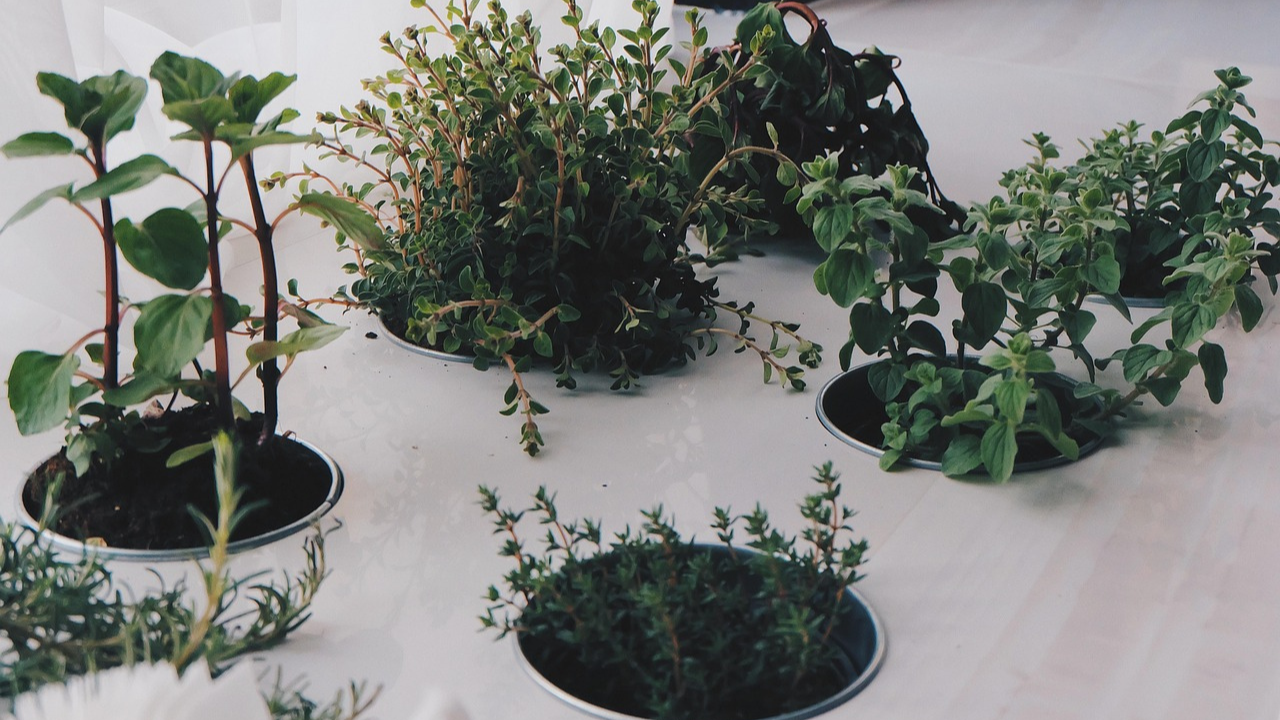
Growing herbs indoors during winter has become a common practice in many households as outdoor gardens become unusable in cold conditions. This activity usually takes place from late autumn to early spring and is most common in kitchens or living spaces with access to natural light. Garden experts explain that herbs such as rosemary, thyme, and oregano are more resilient than other varieties and can survive indoor conditions with proper care. Housing studies published in the 2020s reported that adults spend over 85 percent of daily time indoors, which has increased interest in home-based food production. The main reason for indoor herb growing is continued access to fresh ingredients when markets offer limited supply or higher prices. Agricultural extension services have also noted that small-scale indoor gardening supports household food planning and reduces dependence on transported produce.
Successful indoor herb growing depends on careful management of light, water, and soil quality. Horticulture specialists recommend placing plants near south-facing windows to optimize light exposure during shorter winter days. Recent advancements in LED grow light technology have improved indoor growing results by providing stable light for up to 16 hours daily. Proper drainage and controlled watering help mitigate the risk of root rot, which remains one of the most common challenges. Studies on container gardening show that well-draining potting mixes increase plant survival rates by nearly 30 percent. Although growth is often slower, indoor herb production remains a viable option for maintaining fresh food access year-round. Experts also highlight that small indoor gardens contribute to long-term sustainability by lowering food waste and reducing repeated trips to retail markets.
Successful indoor herb growing depends on careful management of light, water, and soil quality. Horticulture specialists recommend placing plants near south-facing windows to optimize light exposure during shorter winter days. Recent advancements in LED grow light technology have improved indoor growing results by providing stable light for up to 16 hours daily. Proper drainage and controlled watering help mitigate the risk of root rot, which remains one of the most common challenges. Studies on container gardening show that well-draining potting mixes increase plant survival rates by nearly 30 percent. Although growth is often slower, indoor herb production remains a viable option for maintaining fresh food access year-round. Experts also highlight that small indoor gardens contribute to long-term sustainability by lowering food waste and reducing repeated trips to retail markets.
Discussion Questions:
I will read each question. Then, please answer them.
- Have you ever grown herbs or plants indoors at home? If so, what kind of plant did you grow, and where did you place it? If not, would you like to try growing herbs indoors in the future? Why or why not?
- Have you ever used fresh herbs when cooking at home? If yes, how did fresh herbs change the taste or planning of meals? If not, how do you think having fresh herbs at home could change cooking habits?
- Do you agree that indoor gardening can help people depend less on food from stores?
- Why do you think more people are interested in home-based food growing today than in the past?
- How could indoor herb gardening help reduce food waste in households?
Summarization:
Please summarize the whole article using your own words and expressions. You will have one minute to prepare before you answer.
Describe:
Please explain the definition of each word listed below based on your understanding. You can provide example sentences if needed.
- winter
- household
- garden
- autumn
- kitchen