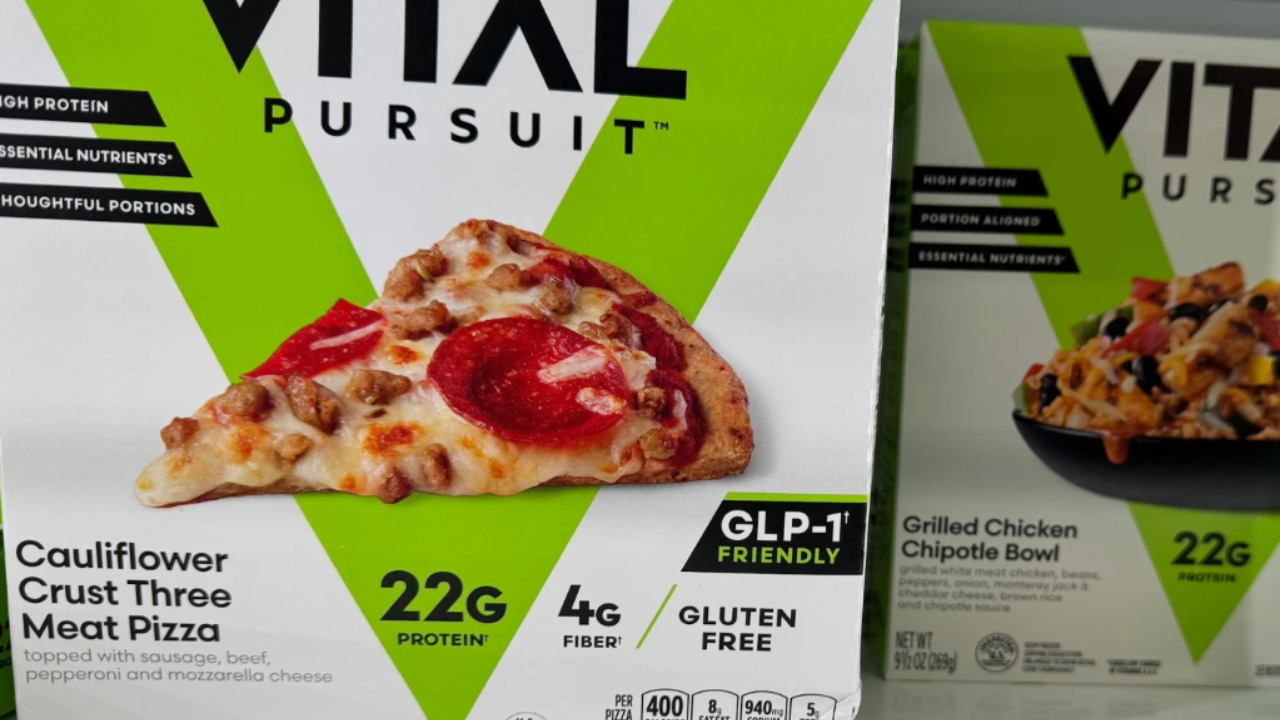
©(AP Photo/Dee-Ann Durbin)
Pre-reading Questions:
I will read each question. Then, please answer them.
- What foods make you feel full or satisfied after eating?
- Do you read food labels before buying food? Why or why not?
Vocabulary:
I will read the words, meanings, and sample sentences. Then, repeat after me.
- prescription /pri-SKRIP-shuhn/
[noun] – an official order from a doctor for medicine
A prescription is required to buy certain drugs at a pharmacy. - hormone /HAWR-mohn/
[noun] – a chemical in the body that controls growth or body functions
Stress can change the level of hormone activity in the body. - portion /PAWR-shuhn/
[noun] – a single amount of food served to one person
The restaurant serves a smaller portion at lunch. - fiber /FAHY-ber/
[noun] – a part of food that helps digestion
Vegetables are a good source of fiber. - sodium /SOH-dee-uhm/
[noun] – a mineral often found in salt
High sodium levels are common in packaged snacks.
Article Reading:
Please read the whole article. Then, I will check your pronunciation and intonation.
Meals and snacks labeled “GLP-1 Friendly” are becoming more common in U.S. supermarkets during 2024 and 2025 as the use of prescription weight-loss drugs increases. Medicines such as Wegovy and Zepbound copy the GLP-1 hormone, which lowers appetite and affects digestion, causing many users to eat much smaller portions. A study by the Kaiser Family Foundation found that about 12 percent of U.S. adults were using GLP-1 drugs by late 2024 for weight loss or diabetes treatment. Food companies have reacted to this change by promoting meals designed for smaller portions and higher nutrition. However, the label “GLP-1 Friendly” is not regulated by the U.S. Food and Drug Administration, meaning it does not confirm medical approval or specific health standards.
Nutrition experts say daily food choices remain more important than product labels. Because GLP-1 drugs reduce hunger, experts recommend meals that provide enough protein, fiber, and fluids to reduce common side effects. Dietitians from major medical centers advise eating about 20 to 30 grams of protein per meal and getting enough fiber to support digestion. Some packaged foods meet these needs, but consumers are advised to check labels carefully for high levels of fat, sugar, or sodium. New products from companies such as Nestlé and Conagra show how the food industry is adjusting. Experts say easier meal planning may be a benefit, but long-term health depends on balanced diets and professional guidance.
Nutrition experts say daily food choices remain more important than product labels. Because GLP-1 drugs reduce hunger, experts recommend meals that provide enough protein, fiber, and fluids to reduce common side effects. Dietitians from major medical centers advise eating about 20 to 30 grams of protein per meal and getting enough fiber to support digestion. Some packaged foods meet these needs, but consumers are advised to check labels carefully for high levels of fat, sugar, or sodium. New products from companies such as Nestlé and Conagra show how the food industry is adjusting. Experts say easier meal planning may be a benefit, but long-term health depends on balanced diets and professional guidance.
Comprehension Questions:
I will read each question. Then, please answer them based on the article.
- What kind of food labels are becoming more common in U.S. supermarkets?
- During which years are these labels becoming more common?
- What type of drugs are linked to the increase in these food labels?
- How do these medicines change the way people eat?
- What do nutrition experts say is more important than product labels?
Discussion Questions:
I will read each question. Then, please answer them.
- Have you ever tried eating smaller portions at meals? If yes, how did it feel after eating? If not, would you like to try eating smaller portions? Why or why not?
- Have you noticed health labels like “high-protein” or “low-sugar” on food products? If yes, did the label affect your choice? If not, what food information would help you choose more easily?
- Do you agree that food labels can influence what people buy?
- What problems can happen if people trust food labels too much?
- What can shoppers do if they are not sure about a food label?