Pre-reading Questions:
I will read each question. Then, please answer them.
- Have you used a device to track sleep? What did you notice about your sleep?
- Do people trust health apps? Why or why not?
Vocabulary:
I will read the words, meanings, and sample sentences. Then, repeat after me.
- estimate /ES-tuh-meyt/
[verb] – to roughly calculate an amount
The device estimates sleep duration. - confidence /KON-fi-duhns/
[noun] – trust in something
Users show confidence in trackers. - limitation /lim-i-TAY-shuhn/
[noun] – a restriction or weakness
Accuracy is a major limitation. - anxious /ANGK-shuhs/
[adjective] – feeling worried or nervous
Some users feel anxious about scores. - valuable /VAL-yuh-uh-buhl/
[adjective] – useful or important
The data is valuable for trends.
Article Reading:
Please read the whole article. Then, I will check your pronunciation and intonation.
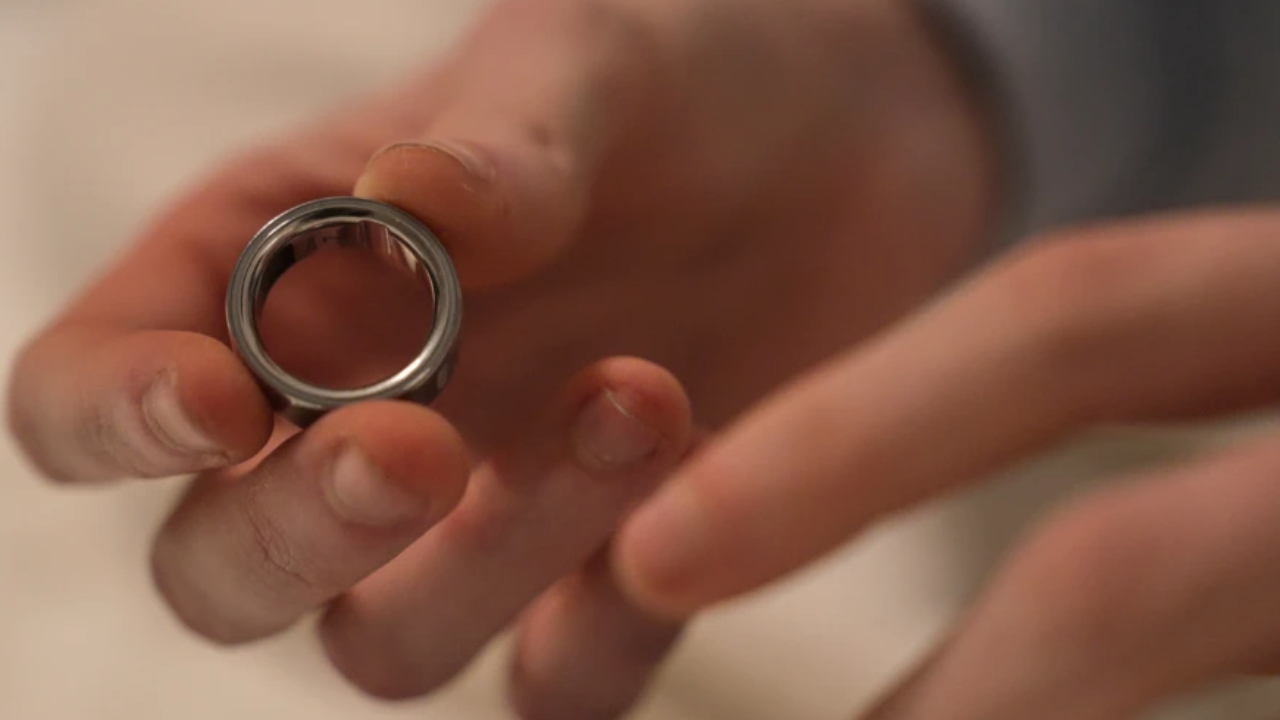
Sleep-tracking devices became more common in 2025 as many people looked for ways to improve daily energy and focus. Smartwatches and rings are widely used to record movement and heart rate during rest, allowing devices to estimate sleep quality. Market researchers reported steady growth as users showed strong confidence in wearable technology. However, doctors emphasized that the results should be viewed as general guidance rather than exact medical facts.
Experts explained that most devices are effective at identifying when someone is asleep but less precise when describing sleep stages. Because of this limitation, specialists advised users to observe long-term patterns instead of judging one night’s results. Some users reported feeling anxious after checking sleep scores every morning, especially when results did not meet personal goals. Doctors said this reaction can reduce the benefit of tracking and distract people from healthy routines. Instead, professionals recommended focusing on habits such as regular bedtimes and reduced screen use. Researchers added that future devices may help detect health changes earlier, making sleep tracking more valuable if used responsibly.
Experts explained that most devices are effective at identifying when someone is asleep but less precise when describing sleep stages. Because of this limitation, specialists advised users to observe long-term patterns instead of judging one night’s results. Some users reported feeling anxious after checking sleep scores every morning, especially when results did not meet personal goals. Doctors said this reaction can reduce the benefit of tracking and distract people from healthy routines. Instead, professionals recommended focusing on habits such as regular bedtimes and reduced screen use. Researchers added that future devices may help detect health changes earlier, making sleep tracking more valuable if used responsibly.
Comprehension Questions:
I will read each question. Then, please answer them based on the article.
- What devices are commonly used to track sleep?
- What body signals do sleep trackers record?
- Why are sleep results not exact medical facts?
- What part of sleep are devices good at identifying?
- What problem do experts say trackers have?
Discussion Questions:
I will read each question. Then, please answer them.
- What sleep-tracking devices have been used by people around you, if any? If so, how are they used? If not, why are they not popular?
- What sleep habits have been noticed in daily life, if any? If so, what habits are common? If not, why might people not talk about sleep?
- Do you agree that focusing on habits is better than focusing on sleep scores?
- Why can technology sometimes cause stress instead of helping health?
- How should people decide when to trust health data from devices?