Vocabulary:
I will read the words, meanings, and sample sentences. Then, repeat after me.
- phenomenon /fi-NOM-uh-non/
[noun] – a situation or event that is unusual or widely noticed
Climate change is a scientific phenomenon studied by researchers worldwide. - gathering /GATH-er-ing/
[noun] – a social event where people meet together
A family gathering was planned to celebrate a graduation. - resilience /ri-ZIL-yuhns/
[noun] – the ability to recover quickly from difficulty
Resilience helped the community rebuild after the storm. - isolation /ahy-suh-LEY-shuhn/
[noun] – the state of being separated from others
The village experienced isolation due to heavy snowfall. - inclusive /in-KLOO-siv/
[adjective] – welcoming and open to different people or groups
An inclusive policy helps employees feel respected and valued.
Article Reading:
Please read the whole article. Then, I will check your pronunciation and intonation.
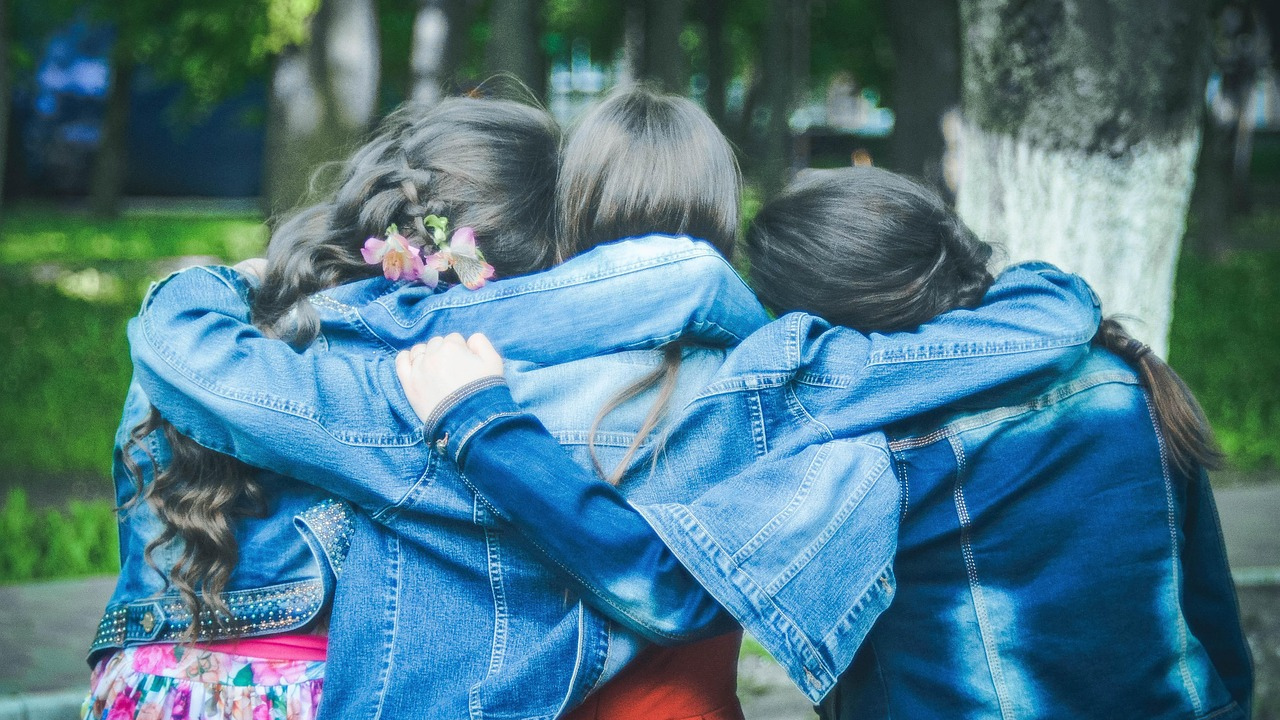
Galentine’s Day is a social celebration that focuses on friendship among women rather than romantic relationships. The idea became widely known in the early 2010s through popular media in the United States and is usually observed on February 13, one day before Valentine’s Day. In recent years, the event has gained attention in several regions as more women choose to recognize friendship-based celebrations. Social analysts explain that this trend reflects a broader cultural shift in how relationships are valued. The development is often described as a cultural phenomenon connected to changing social expectations. Experts state that friendship-centered events can reduce emotional pressure linked to traditional Valentine’s customs.
Celebrations range from elaborate parties with professional entertainment to simple meetings such as coffee gatherings or shared hobbies. Community organizers report that creative activities support emotional resilience and encourage long-term social bonds. Research on adult friendships indicates that regular social contact improves mental well-being and reduces isolation. However, planning these events presents challenges related to cost, time management, and sustainability. Recent developments include online invitations, shared digital schedules, and social media tools that help organizers manage participation. The growing popularity of Galentine’s Day shows increased public recognition of friendship as an essential part of social health. This trend continues to influence how holidays are observed, especially among adults seeking meaningful and inclusive celebrations. Observers expect interest to expand further as social values continue to evolve in modern communities. Future participation levels remain uncertain.
Celebrations range from elaborate parties with professional entertainment to simple meetings such as coffee gatherings or shared hobbies. Community organizers report that creative activities support emotional resilience and encourage long-term social bonds. Research on adult friendships indicates that regular social contact improves mental well-being and reduces isolation. However, planning these events presents challenges related to cost, time management, and sustainability. Recent developments include online invitations, shared digital schedules, and social media tools that help organizers manage participation. The growing popularity of Galentine’s Day shows increased public recognition of friendship as an essential part of social health. This trend continues to influence how holidays are observed, especially among adults seeking meaningful and inclusive celebrations. Observers expect interest to expand further as social values continue to evolve in modern communities. Future participation levels remain uncertain.
Discussion Questions:
I will read each question. Then, please answer them.
- Have you ever planned an event just to spend time with close friends? If so, what activity helped you enjoy the time together? If not, what kind of activity would you choose for friends?
- Have you ever helped plan a small event or gathering for a group of people? If yes, what was your role in the planning? If not, what task would you prefer to help with?
- Do you agree that friendship-based celebrations help people feel more included during holidays?
- What challenges might people face when planning friendship-based events, and how can these challenges be solved?
- How could technology, such as social media or online schedules, change the way people celebrate holidays in the future?
Summarization:
Please summarize the whole article using your own words and expressions. You will have one minute to prepare before you answer.
Describe:
Please explain the definition of each word listed below based on your understanding. You can provide example sentences if needed.
- celebration
- friendship
- entertainment
- hobby
- social bond