Pre-reading Questions:
I will read each question. Then, please answer them.
- How is Valentine’s Day usually celebrated in your country?
- What kinds of celebrations do people enjoy with friends?
Vocabulary:
I will read the words, meanings, and sample sentences. Then, repeat after me.
- trend /trend/
[noun] – a general direction in which something changes or develops
The rise in remote work is a clear trend in many companies. - expectation /ek-spek-TEY-shuhn/
[noun] – a belief about what should happen
There is a clear expectation that students arrive on time. - vary /VAIR-ee/
[verb] – to be different or change
Weather conditions vary across different regions. - recognition /rek-uhg-NISH-uhn/
[noun] – the act of noticing or accepting something as important
The worker received recognition for excellent performance. - uncertain /uhn-SUR-tn/
[adjective] – not clearly known or decided
The future of the project remains uncertain.
Article Reading:
Please read the whole article. Then, I will check your pronunciation and intonation.
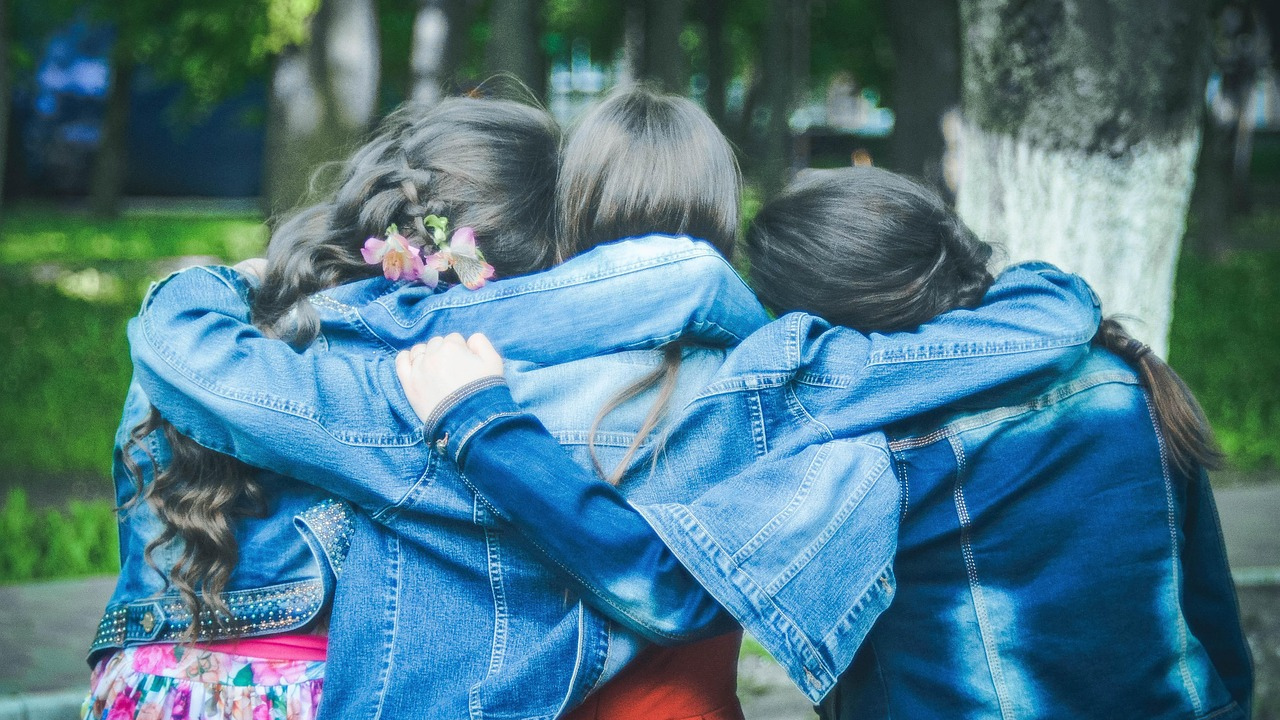
Galentine’s Day is a social celebration that highlights friendship among women instead of romantic relationships. The event is usually observed on February 13, one day before Valentine’s Day, and became widely known in the United States in the early 2010s through popular media. In recent years, the celebration has received increased attention in several regions as more women choose to recognize friendships during the Valentine’s season. Social analysts report that this trend reflects changing views on relationships and social priorities. Experts also state that friendship-focused events can reduce emotional pressure often associated with traditional Valentine’s Day expectations.
Galentine’s Day celebrations vary in size and style, ranging from large parties with entertainment to smaller activities such as coffee meetings or shared hobbies. Community organizers explain that creative group activities help strengthen emotional connections and support social well-being. Research on adult friendships shows that regular social interaction can improve mental health and lower feelings of isolation. However, organizers also face challenges related to cost, scheduling, and long-term planning. Recent developments include the use of online invitations, shared digital calendars, and social media tools to organize events more efficiently. The growing popularity of Galentine’s Day shows increased recognition of friendship as an important part of social health, though future participation levels remain uncertain.
Galentine’s Day celebrations vary in size and style, ranging from large parties with entertainment to smaller activities such as coffee meetings or shared hobbies. Community organizers explain that creative group activities help strengthen emotional connections and support social well-being. Research on adult friendships shows that regular social interaction can improve mental health and lower feelings of isolation. However, organizers also face challenges related to cost, scheduling, and long-term planning. Recent developments include the use of online invitations, shared digital calendars, and social media tools to organize events more efficiently. The growing popularity of Galentine’s Day shows increased recognition of friendship as an important part of social health, though future participation levels remain uncertain.
Comprehension Questions:
I will read each question. Then, please answer them based on the article.
- On which date is Galentine’s Day usually observed?
- In which country did Galentine’s Day become widely known?
- When did Galentine’s Day become popular through media?
- What do social analysts say the trend reflects?
- What kind of events can Galentine’s Day celebrations include?
Discussion Questions:
I will read each question. Then, please answer them.
- Have you ever joined a small group activity with friends? If so, what activity did the group do? If not, what activity would you like to try with friends?
- Have you ever used a phone or computer to plan a meeting with friends? If so, what tool did you use? If not, how could a phone help with planning?
- Do you agree that small gatherings can be as enjoyable as large parties?
- What makes creative group activities good for social well-being?
- Why can planning events be difficult for organizers?