Vocabulary:
I will read the words, meanings, and sample sentences. Then, repeat after me.
- skepticism /SKEP-tuh-siz-uhm/
[noun] – doubt about whether something is true or useful
Some travelers expressed skepticism about the safety of the old bridge during the rainy season. - circadian rhythm /ser-KAY-dee-uhn RITH-uhm/
[noun] – the natural daily cycle of the body that controls sleep and energy
Working night shifts can disturb the circadian rhythm of hospital staff. - negotiation /ni-goh-shee-EY-shuhn/
[noun] – the process of discussing something to reach an agreement
The company began a negotiation with workers to improve working conditions. - compromise /KOM-pruh-mahyz/
[noun] – an agreement where each side gives up something to reach a solution
A compromise allowed two departments to share the meeting room on different days. - legislation /lej-is-LEY-shuhn/
[noun] – a law or set of laws created by a government
New legislation improved safety rules for construction workers.
Article Reading:
Please read the whole article. Then, I will check your pronunciation and intonation.
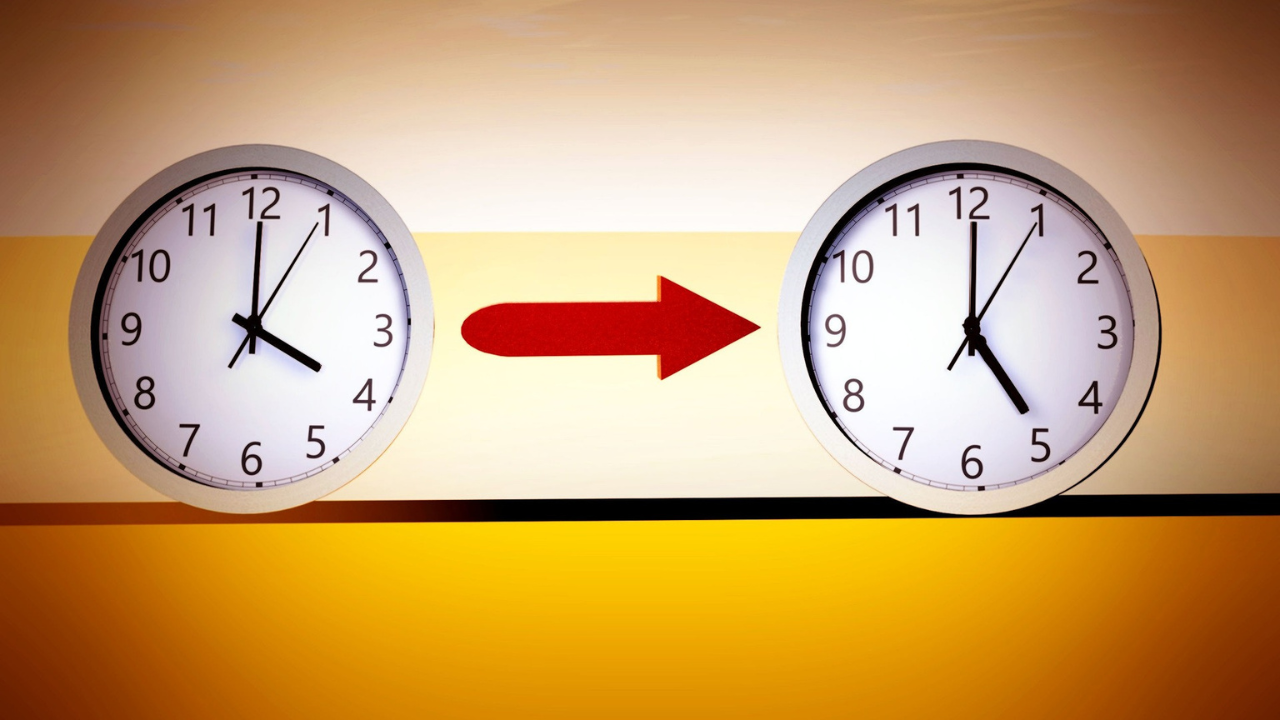
Daylight saving time began across most of the United States at 2 a.m. Sunday, March 8, when clocks moved forward by one hour. The change created a 23-hour day and affected daily routines such as commuting and sleep schedules. The time adjustment has historical roots in efforts to extend evening daylight and improve energy use. Time zones in the United States were first standardized in 1883 to support railroad schedules. Over time, governments adopted daylight saving time during different periods, including wartime policies. International records indicate that about 140 countries have used the system, although only about half still apply it today. A recent national poll shows strong public skepticism toward the practice of changing clocks twice each year. Policy debate continues because lawmakers, health experts, and industry leaders remain divided over whether permanent daylight saving time or permanent standard time would be more beneficial.
Scientific research examines how the clock change influences human health and safety. Studies show that sudden time adjustments can disturb circadian rhythms and affect sleep quality. Medical specialists report that morning sunlight plays a crucial role in regulating biological cycles. Transportation studies also note a short-term rise in accidents following the spring clock change. Legislative proposals in Congress have attempted to establish a permanent time system, but political negotiations have prevented a final consensus. Some lawmakers have suggested shifting national time by thirty minutes as a pragmatic compromise. Until national legislation introduces a permanent solution, seasonal clock adjustments will continue across most of the United States.
Scientific research examines how the clock change influences human health and safety. Studies show that sudden time adjustments can disturb circadian rhythms and affect sleep quality. Medical specialists report that morning sunlight plays a crucial role in regulating biological cycles. Transportation studies also note a short-term rise in accidents following the spring clock change. Legislative proposals in Congress have attempted to establish a permanent time system, but political negotiations have prevented a final consensus. Some lawmakers have suggested shifting national time by thirty minutes as a pragmatic compromise. Until national legislation introduces a permanent solution, seasonal clock adjustments will continue across most of the United States.
Discussion Questions:
I will read each question. Then, please answer them.
- Have you ever experienced a time change like daylight saving time? If so, how did the change affect your daily schedule or sleep? If not, how do you think a one-hour time change might affect your routine?
- Have you ever felt tired or confused after waking up earlier than usual? If so, what helped you adjust to the new schedule? If not, what activities help you stay energetic during the day?
- Do you agree that changing clocks twice each year can be confusing for many people?
- How might daylight saving time influence public safety, such as driving or work performance?
- What factors should governments consider before deciding to change or remove daylight saving time?
Summarization:
Please summarize the whole article using your own words and expressions. You will have one minute to prepare before you answer.
Describe:
Please explain the definition of each word listed below based on your understanding. You can provide example sentences if needed.
- schedule
- historical
- daylight
- government
- system