Pre-reading Questions:
I will read each question. Then, please answer them.
- How do you usually feel when you wake up earlier than normal?
- Do you think people prefer mornings with more sunlight or evenings with more sunlight? Why?
Vocabulary:
I will read the words, meanings, and sample sentences. Then, repeat after me.
- adopt /uh-DOPT/
[verb] – to begin to use something as a new rule, method, or system
The school decided to adopt a new online system for homework. - permanent /PUR-muh-nuhnt/
[adjective] – lasting for a long time or not changing
The company offered permanent jobs to workers after the training program. - adjustment /uh-JUHST-muhnt/
[noun] – a small change made to improve something or make it work better
The coach made an adjustment to the training schedule before the tournament. - disturb /dih-STURB/
[verb] – to interrupt something and cause it to not work normally
Loud construction noise can disturb students during an important exam. - disagreement /dis-uh-GREE-muhnt/
[noun] – a situation in which people have different opinions about something
A disagreement between two teams delayed the start of the sports event.
Article Reading:
Please read the whole article. Then, I will check your pronunciation and intonation.
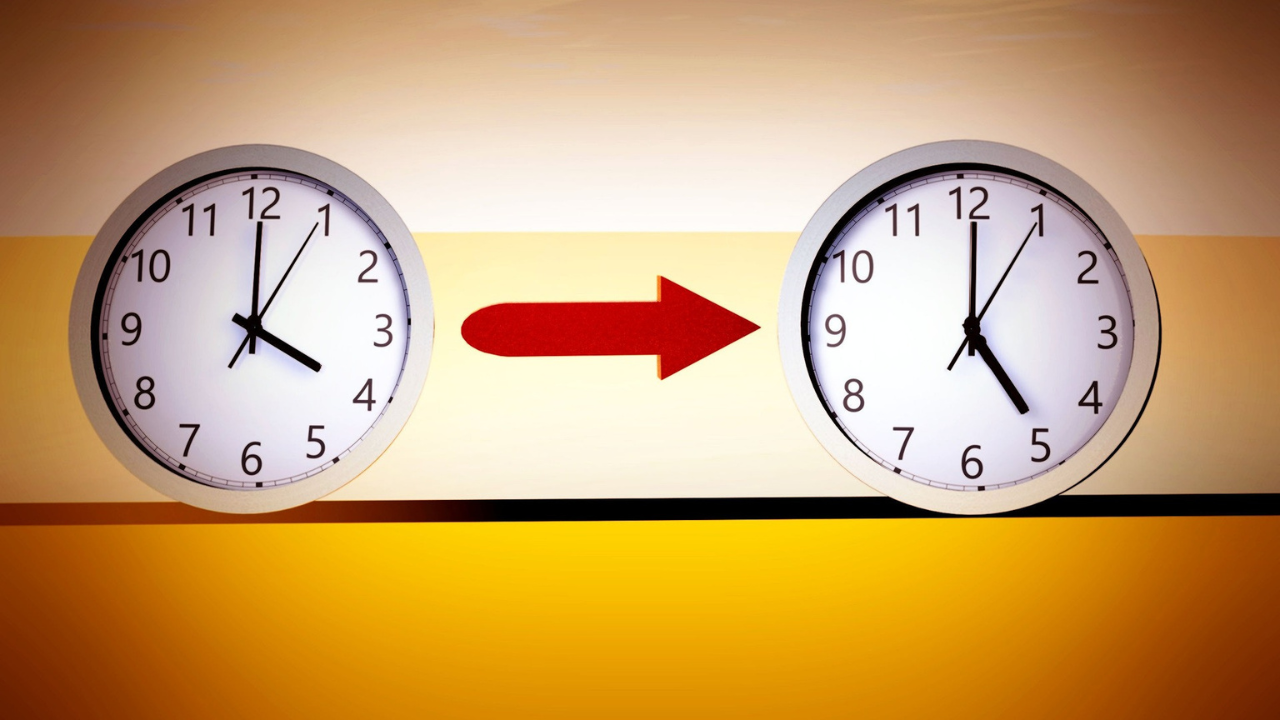
Daylight saving time began across most of the United States at 2 a.m. Sunday, March 8, when clocks moved forward by one hour. The change created a 23-hour day and affected daily routines such as commuting and sleep schedules. Many Americans continue to debate the system of changing clocks twice each year. A recent national poll shows strong public skepticism about the practice. Lawmakers, health experts, and industry leaders remain divided over whether the country should adopt permanent daylight saving time or permanent standard time. The issue continues to attract attention because both options may create advantages and disadvantages in different regions.
Daylight saving time has historical roots in efforts to extend evening daylight and improve energy use. Time zones in the United States were first standardized in 1883 to support railroad schedules. Governments later introduced daylight saving time during different periods, including wartime policies. International records indicate that about 140 countries have used the system, although only about half still apply it today. Researchers have also studied how clock changes influence health and safety. Some studies show that sudden time adjustments can disturb circadian rhythms and affect sleep quality. Transportation research reports a short-term increase in accidents after the spring clock change. Congress has discussed proposals to create a permanent national time system, but political disagreements have prevented a final decision. Until national legislation changes the system, seasonal clock adjustments will continue across most of the United States.
Daylight saving time has historical roots in efforts to extend evening daylight and improve energy use. Time zones in the United States were first standardized in 1883 to support railroad schedules. Governments later introduced daylight saving time during different periods, including wartime policies. International records indicate that about 140 countries have used the system, although only about half still apply it today. Researchers have also studied how clock changes influence health and safety. Some studies show that sudden time adjustments can disturb circadian rhythms and affect sleep quality. Transportation research reports a short-term increase in accidents after the spring clock change. Congress has discussed proposals to create a permanent national time system, but political disagreements have prevented a final decision. Until national legislation changes the system, seasonal clock adjustments will continue across most of the United States.
Comprehension Questions:
I will read each question. Then, please answer them based on the article.
- What happened to the clocks during the start of daylight saving time?
- What kind of day was created after the clock change?
- What daily routines were affected by the time change?
- What do many Americans continue to debate about daylight saving time?
- What does a recent national poll show about public opinion?
Discussion Questions:
I will read each question. Then, please answer them.
- Have you ever changed your daily routine because of a schedule change? If so, what activity changed in your routine? If not, what part of your daily routine is most important to you?
- Have you ever traveled to a place with a different time zone? If yes, how did the time difference affect your sleep or daily routine? If not, how do you think a time change might affect your day?
- Do you agree that a country should choose one time system instead of changing the clock every year?
- How might the time change affect people’s health or sleep?
- Why might it be difficult for a country to decide on one permanent time system?