Pre-reading Questions:
I will read each question. Then, please answer them.
- If you had one extra hour of free time every day, how would you spend it?
- How can social media help people learn new skills or hobbies?
Vocabulary:
I will read the words, meanings, and sample sentences. Then, repeat after me.
- needlepoint /NEED-l-point/
[noun] – a craft of decorating cloth with thread using a needle
The art club introduced needlepoint as a relaxing craft activity for students. - restriction /ri-STRIK-shuhn/
[noun] – a rule that limits an action or activity
Travel restrictions during the storm prevented visitors from entering the park. - satisfaction /sat-is-FAK-shuhn/
[noun] – a feeling of happiness from completing or achieving something
The student felt satisfaction after finishing a difficult science project. - resilience /ri-ZIL-yuhns/
[noun] – the ability to recover quickly after difficulty or stress
Regular exercise can help build resilience during stressful situations. - durable /DOOR-uh-buhl/
[adjective] – able to last a long time without damage
The company designed durable backpacks for students who travel often.
Article Reading:
Please read the whole article. Then, I will check your pronunciation and intonation.
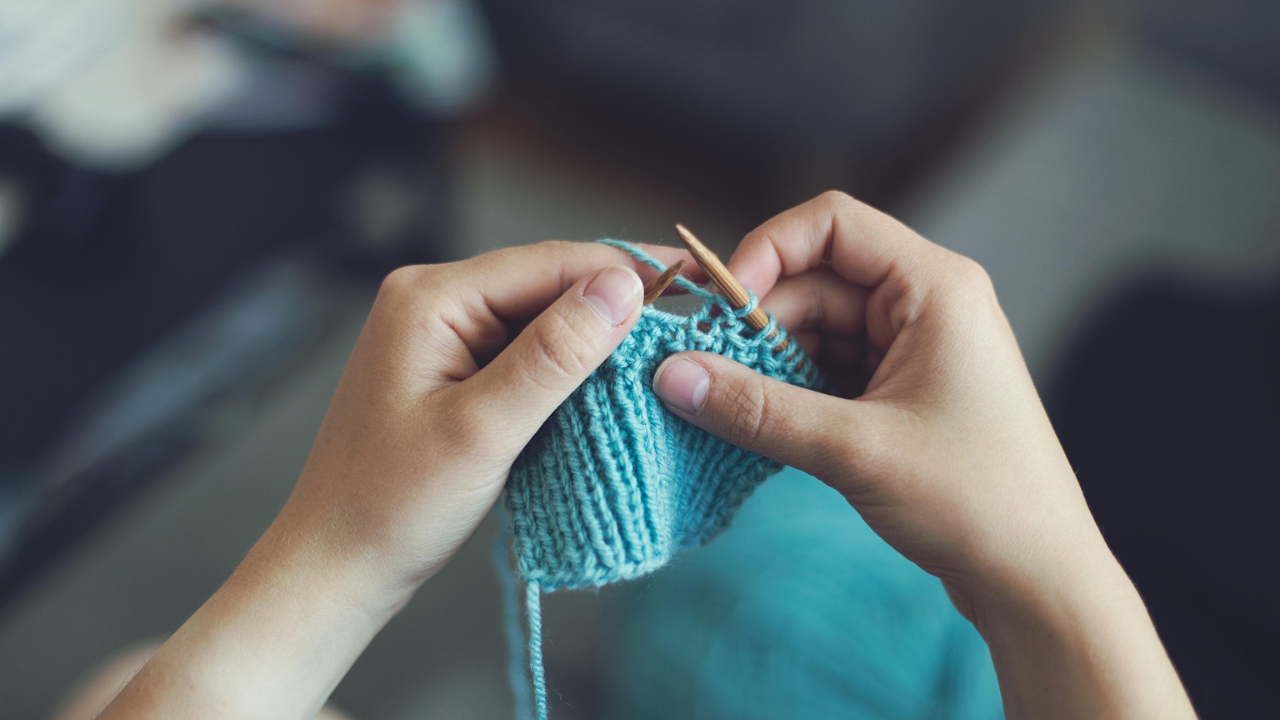
Many young adults are returning to traditional offline hobbies to reduce screen time and improve well-being. Activities such as knitting, gardening, pottery, birdwatching, and needlepoint are becoming popular among people in their twenties and thirties. The trend became more noticeable around 2020 when pandemic restrictions gave many individuals additional free time. Social media platforms later increased awareness of these activities by sharing images and videos of handmade crafts and outdoor hobbies. One example is Emma MacTaggart, a young professional who rediscovered needlepoint while working long hours in investment banking. The activity helped reduce stress and encouraged focus on creative tasks instead of frequent phone use. MacTaggart later started a small business that sells needlepoint designs and materials online.
Researchers say traditional hobbies may support mental health and personal satisfaction. Psychology professor Jaime Kurtz reported that hobbies requiring attention and practice can reduce anxiety and help build resilience. Some activities also combine traditional skills with modern technology. Birdwatchers often use the eBird application to record bird sightings and share data with scientists studying wildlife. Online communities also encourage hobbies such as letter writing, poetry exchange, and paper crafts. Craft businesses and hobby groups continue to grow through online workshops and educational content. Analysts report that increasing interest in durable handmade products reflects a wider cultural shift toward slower and more intentional lifestyles.
Researchers say traditional hobbies may support mental health and personal satisfaction. Psychology professor Jaime Kurtz reported that hobbies requiring attention and practice can reduce anxiety and help build resilience. Some activities also combine traditional skills with modern technology. Birdwatchers often use the eBird application to record bird sightings and share data with scientists studying wildlife. Online communities also encourage hobbies such as letter writing, poetry exchange, and paper crafts. Craft businesses and hobby groups continue to grow through online workshops and educational content. Analysts report that increasing interest in durable handmade products reflects a wider cultural shift toward slower and more intentional lifestyles.
Comprehension Questions:
I will read each question. Then, please answer them based on the article.
- Why are many young adults returning to traditional offline hobbies?
- Name one hobby mentioned in the article that people enjoy today.
- Why did many people have more free time around 2020?
- How did social media platforms help these hobbies become popular?
- What do analysts say about the growing interest in handmade products?
Discussion Questions:
I will read each question. Then, please answer them.
- Have you ever tried a hobby like knitting, gardening, or drawing? If so, what hobby did you try and how did you feel when you did it? If not, what hobby would you like to try in the future?
- Do you sometimes stop using your phone and do another activity? If so, what activity do you do instead of using your phone? If not, what activity could help you spend less time on your phone?
- Do you agree that social media can help people find new hobbies?
- Why do you think many young adults are interested in traditional hobbies today?
- Why do some people enjoy making handmade products instead of buying them?