Pre-reading Questions:
I will read each question. Then, please answer them.
講師がそれぞれの質問を読むので答えましょう。
- Do you like vegetables?
- Do you have plants at home?
Vocabulary:
I will read the words, meanings, and sample sentences. Then, repeat after me.
単語、意味、例文を読みます。講師に続いて音読しましょう。
- yard /yahrd/
[noun] – an outdoor area of land next to or around a house
The family planted flowers in the yard to make the house look nicer. - common /KOM-uhn/
[adjective] – happening often or found in many places
Electric bicycles are becoming common in many cities. - interest /IN-ter-ist/
[noun] – a feeling of wanting to know more about something or take part in it
Many students show interest in learning foreign languages. - symbol /SIM-buhl/
[noun] – something that represents an idea, value, or meaning
The dove is a symbol of peace in many cultures. - resident /REZ-i-duhnt/
[noun] – a person who lives in a particular place
Each resident in the building received a notice about the meeting.
Article Reading:
Please read the whole article. Then, I will check your pronunciation and intonation.
記事を音読しましょう。講師はあなたの発音とイントネーションを確認します。
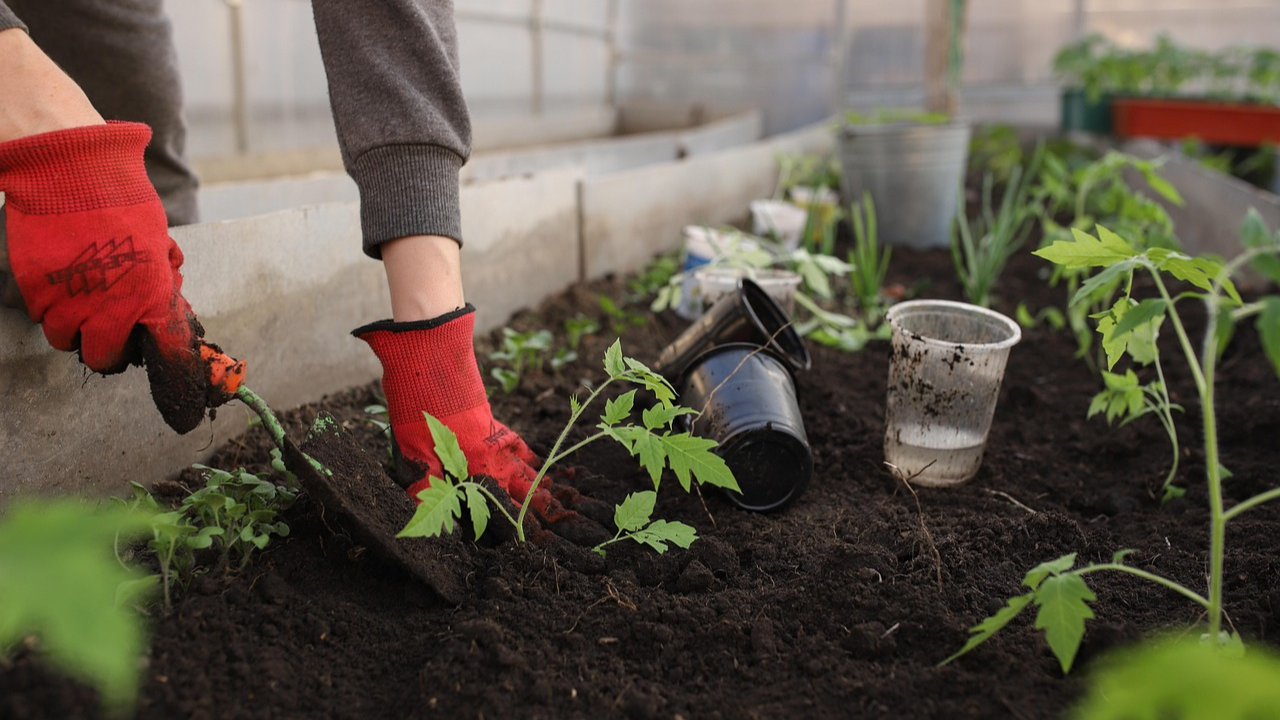
Growing vegetables in front yards is becoming more common in many cities and suburbs. Urban planners and environmental researchers report more interest in this practice because people are concerned about food security and sustainable living. Studies in North America and Europe since the early 2020s show that home vegetable gardens can reduce the need to buy vegetables from stores and can help neighbors interact more often. In the past, front lawns were a common symbol of suburban homes. However, experts say grass lawns require large amounts of water and fertilizer. Agricultural specialists explain that planting vegetables instead of grass can support more sustainable land use and increase biodiversity.A 2023 report on urban gardening found that many households grew herbs, tomatoes, and leafy greens during warm seasons. This helped increase the supply of fresh food in local communities. Researchers also say front-yard gardens are possible when local rules allow visible planting and residents follow neighborhood guidelines. Gardening organizations recommend choosing a place with at least six hours of sunlight and preparing the soil carefully before planting. Soil testing and compost can help improve soil quality and support healthy plant growth.
True or False:
Read the sentences and identify if they are true or false based on the article.
文章を読んで、記事に基づいて正誤を答えましょう。
- Urban planners say people are not interested in front-yard vegetable gardens.
- Studies show that home vegetable gardens can reduce the need to buy vegetables from stores.
- Vegetable gardens stop neighbors from interacting with each other.
- In the past, front lawns were a common symbol of suburban homes.
- Experts say grass lawns require very little water and fertilizer.
Fill in the Blanks:
Choose the correct word from the table, then fill in the blanks.
適切な言葉を選んで空欄を埋めましょう。
| yard | common | interest | symbol | residents |
- City ______ attended a public event in the park.
- The museum hopes to increase public ______ in local history.
- The national flag is a _______ of the country.
- Online meetings are now ______ in many workplaces.
- Children played soccer in the ______ after school.