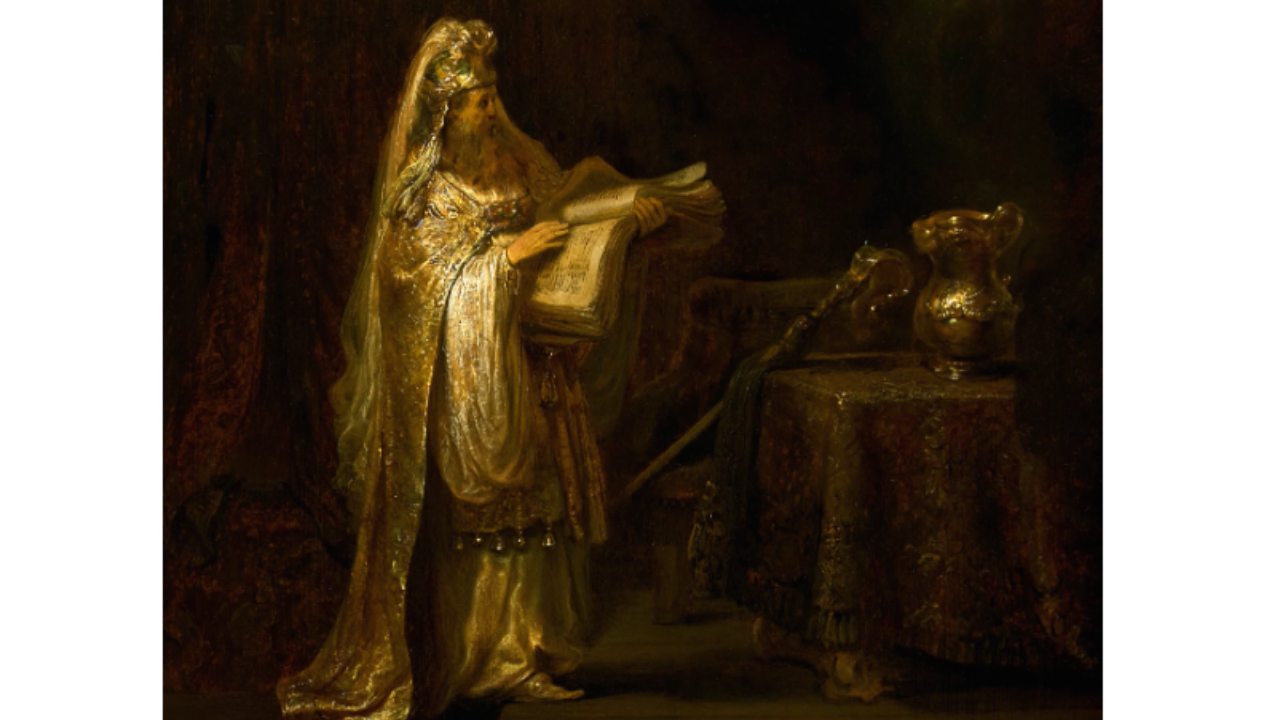
©AP Photo/Peter Dejong
Pre-reading Questions:
I will read each question. Then, please answer them.
- What famous painters or artworks are familiar in world history?
- Why might experts study old paintings very carefully?
Vocabulary:
I will read the words, meanings, and sample sentences. Then, repeat after me.
- rejected /ri-JEK-tid/
[verb] – to refuse to accept something
The museum rejected the old painting at first. - collector /kuh-LEK-ter/
[noun] – someone who gathers and keeps special objects as a hobby or investment
The collector bought several rare coins. - analysis /uh-NAL-uh-sis/
[noun] – the detailed study of something to understand it better
Scientists conducted an analysis of the samples. - curator /kyoo-RAY-ter/
[noun] – a person responsible for objects or artworks in a museum
The curator prepared the exhibition. - masterpiece /MAS-ter-pees/
[noun] – a work of art that is extremely good
The museum displayed a famous masterpiece.
Article Reading:
Please read the whole article. Then, I will check your pronunciation and intonation.
A painting once rejected as a work by the Dutch artist Rembrandt van Rijn has now been recognized as authentic after a two-year investigation in Amsterdam. The Rijksmuseum announced Monday that the painting, called “Vision of Zacharias in the Temple,” was created in 1633 when Rembrandt was twenty-seven years old. The artwork had remained out of public view for decades after a private collector purchased it in 1961, one year after experts decided that the painting was not by Rembrandt. Beginning Wednesday, the painting will appear in the Rijksmuseum on long-term loan so visitors can see the newly confirmed work by the famous master of the Dutch Golden Age.
Museum specialists used modern technology and historical research to confirm the discovery. Careful analysis included macro X-ray fluorescence scanning and detailed comparisons with other paintings by Rembrandt. According to curator Jonathan Bikker, the wooden panel came from a tree cut before 1633, matching the date on the painting. The pigments and painting techniques also matched those used by Rembrandt in other artworks. The painting shows a biblical scene in which the Archangel Gabriel tells the priest Zacharias that a son will be born, who will later become John the Baptist. Museum director Taco Dibbits said discoveries of unknown Rembrandt works happen rarely. However, the identification of this masterpiece suggests that additional paintings by the artist may still exist in private collections around the world.
Museum specialists used modern technology and historical research to confirm the discovery. Careful analysis included macro X-ray fluorescence scanning and detailed comparisons with other paintings by Rembrandt. According to curator Jonathan Bikker, the wooden panel came from a tree cut before 1633, matching the date on the painting. The pigments and painting techniques also matched those used by Rembrandt in other artworks. The painting shows a biblical scene in which the Archangel Gabriel tells the priest Zacharias that a son will be born, who will later become John the Baptist. Museum director Taco Dibbits said discoveries of unknown Rembrandt works happen rarely. However, the identification of this masterpiece suggests that additional paintings by the artist may still exist in private collections around the world.
Comprehension Questions:
I will read each question. Then, please answer them based on the article.
- Which museum announced the discovery of the painting?
- What is the title of the painting?
- When was the painting originally created?
- Why had the painting not been displayed for many years?
- What technology helped confirm the painting’s origin?
Discussion Questions:
I will read each question. Then, please answer them.
- Have you ever visited an exhibition of historical paintings? If so, what impressed you most? If not, what type of exhibition would you like to see?
- Have you ever owned something old that later became valuable? If so, what happened? If not, what item might become valuable in the future?
- Do you agree that museums should carefully study privately owned artworks?
- Why do people remain interested in famous artists many centuries later?
- How might technology change the study of art in the future?