Pre-reading Questions:
I will read each question. Then, please answer them.
- What do you usually think about when you choose food at a restaurant?
- Do you like to eat a big meal or a small meal during the day? Why?
Vocabulary:
I will read the words, meanings, and sample sentences. Then, repeat after me.
- selection /si-LEK-shuhn/
[noun] – a choice from a group of things
The library has a good selection of books for children. - moderate /MOD-er-it/
[adjective] – not too big, not too small; in the middle
Some diners prefer moderate meal portions instead of very large servings. - pressure /PRESH-er/
[noun] – a difficult situation that forces someone to make a decision or change
Students sometimes feel pressure during important school exams. - recipe /RES-uh-pee/
[noun] – a set of instructions for cooking a dish
She followed a simple recipe to bake a chocolate cake. - appetite /AP-i-tahyt/
[noun] – the natural desire to eat food
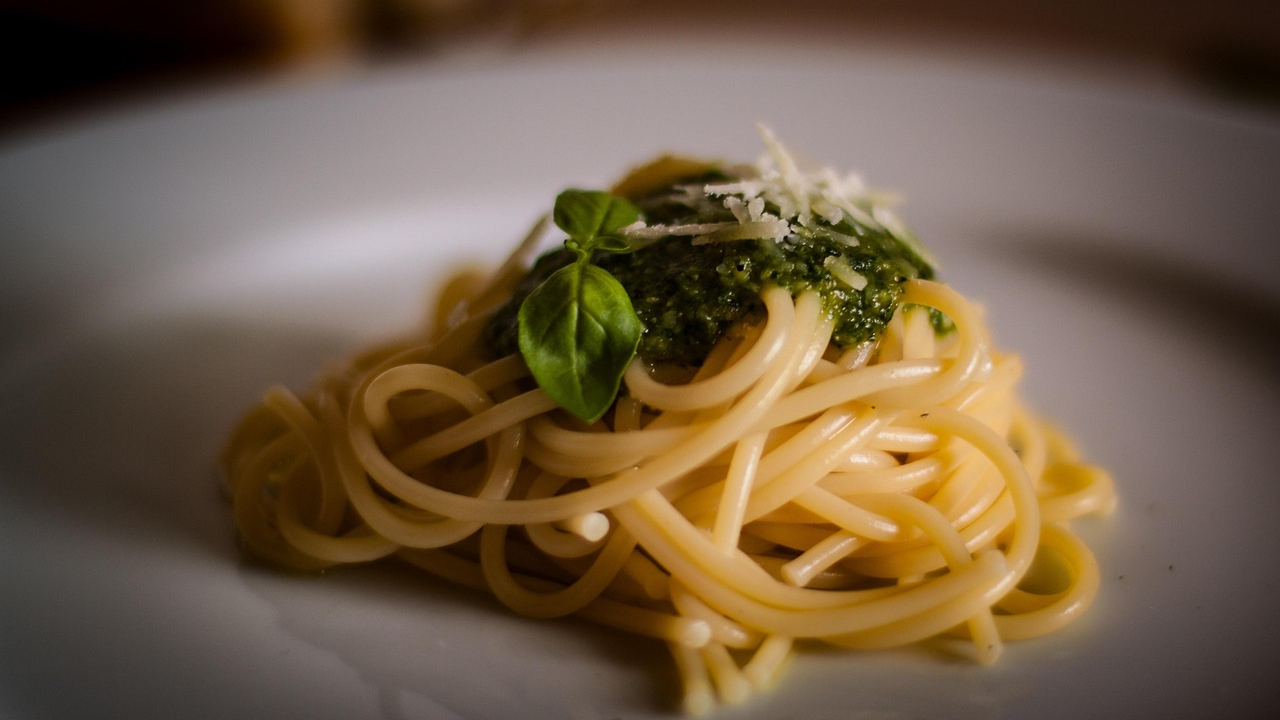
Colorful food can increase a customer’s appetite even with a small portion.
Article Reading:
Please read the whole article. Then, I will check your pronunciation and intonation.
Restaurants in many cities are introducing smaller meal portions at lower prices to respond to changing consumer behavior. Food service companies in the United States and other regions have created special menus with reduced servings. Large restaurant chains such as Olive Garden and The Cheesecake Factory have added lighter menu options, while local restaurants have developed mini-meal selections for customers who prefer moderate portions. Industry research shows that many younger adults now choose smaller meals during the day instead of large servings. Food consultant Maeve Webster from Menu Matters said that consumer attitudes toward food spending and value have changed. Economic pressure, higher food prices, and increasing health awareness have influenced dining decisions. Restaurants believe that smaller portions can provide affordable choices while meeting customer preferences.
Restaurants have introduced smaller meals through several approaches, including new menu categories and adjusted recipes. Daniel Girls Farmhouse Restaurant in Indiana created a Mini Meals menu after customers requested reduced portions. The menu quickly became an important part of daily orders and now represents about one fifth of restaurant sales. Other restaurants have also designed lighter meals with balanced nutrition. Cuba Libre Restaurant and Rum Bar introduced dishes with fewer calories but higher amounts of protein and fiber. Culinary experts say that colorful and flavorful food can still encourage appetite even when portions are smaller. Analysts believe the movement toward smaller portions may represent a lasting change in dining habits.
Restaurants have introduced smaller meals through several approaches, including new menu categories and adjusted recipes. Daniel Girls Farmhouse Restaurant in Indiana created a Mini Meals menu after customers requested reduced portions. The menu quickly became an important part of daily orders and now represents about one fifth of restaurant sales. Other restaurants have also designed lighter meals with balanced nutrition. Cuba Libre Restaurant and Rum Bar introduced dishes with fewer calories but higher amounts of protein and fiber. Culinary experts say that colorful and flavorful food can still encourage appetite even when portions are smaller. Analysts believe the movement toward smaller portions may represent a lasting change in dining habits.
Comprehension Questions:
I will read each question. Then, please answer them based on the article.
- What new trend are restaurants introducing in many cities?
- Why are restaurants offering smaller portions on their menus?
- What did food service companies create to offer reduced servings?
- What three factors influenced people’s dining decisions?
- What do analysts think the movement toward smaller portions may represent?
Discussion Questions:
I will read each question. Then, please answer them.
- Have you ever ordered a small meal at a restaurant? If so, why did you choose a smaller meal? If not, would you like restaurants to offer smaller meals? Why or why not?
- Have you ever felt that a restaurant meal was too big? If so, what did you do with the extra food? If not, do you think smaller portions are a good idea? Why or why not?
- Do you agree that health awareness can change the way people choose food?
- Why do you think many younger adults choose smaller meals during the day?
- Do you think smaller meal portions will become more common in the future? Why or why not?