Vocabulary:
I will read the words, meanings, and sample sentences. Then, repeat after me.
- pollen /POL-uhn/
[noun] – a fine powder from plants that helps them reproduce
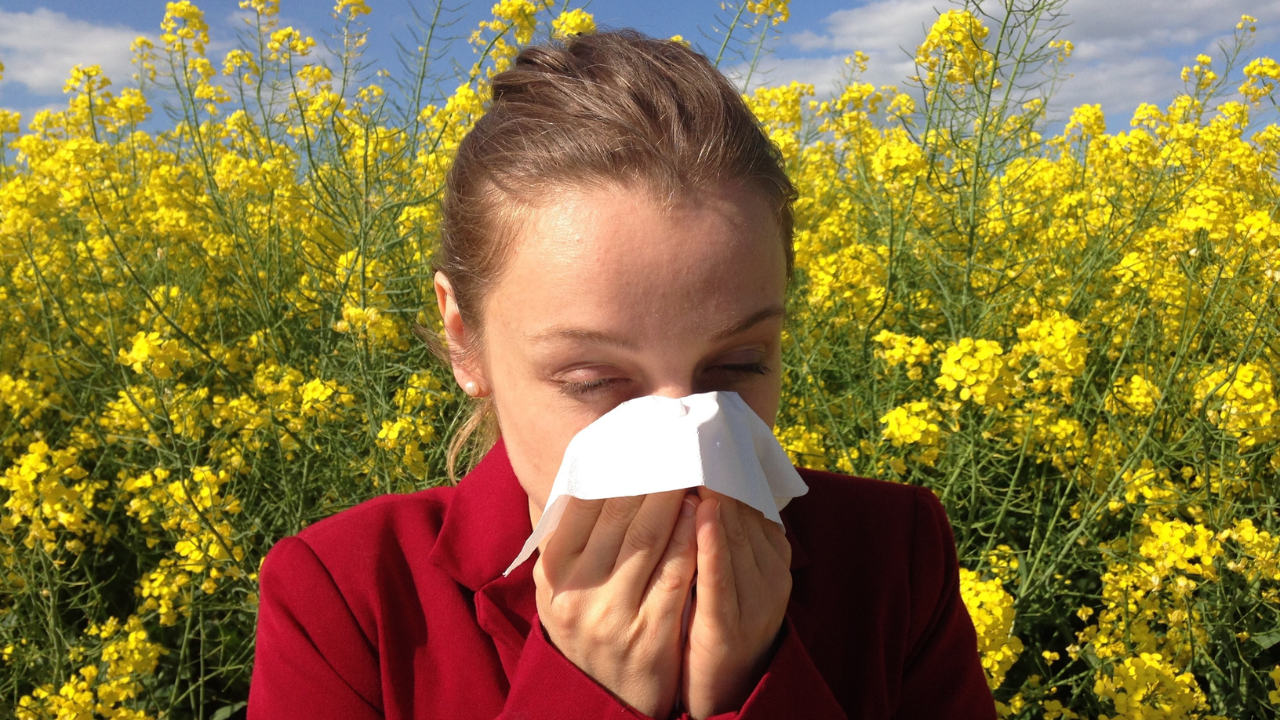
Pollen in the air causes sneezing and itchy eyes during spring. - airborne /AIR-bawrn/
[adjective] – carried or spread through the air
Some diseases spread through airborne droplets when people cough. - itchy /ICH-ee/
[adjective] – feeling an uncomfortable need to scratch
Many people have itchy eyes during high pollen days. - antihistamine /an-ti-HIS-tuh-meen/
[noun] – a medicine that reduces allergy symptoms
An antihistamine can help control sneezing and a runny nose. - immunotherapy /im-yuh-noh-THER-uh-pee/
[noun] – a treatment that helps the body build resistance to allergens or disease
Immunotherapy is used to help the body fight certain illnesses.
Article Reading:
Please read the whole article. Then, I will check your pronunciation and intonation.
Seasonal allergies affect millions of people each year, especially during spring and summer when plants release pollen into the air. In the United States, health organizations report rising allergy cases as warmer temperatures extend growing seasons. This change has intensified exposure to airborne particles, making symptoms such as sneezing, coughing, and itchy eyes more common. The Asthma and Allergy Foundation of America has identified cities such as Boise, Tulsa, and Rochester as areas with high allergy challenges based on pollen levels and medicine use. Researchers state that climate change plays a significant role in longer allergy periods by increasing plant activity. Scientific studies also show that certain tree pollens, including oak and birch, act as strong triggers due to widespread presence. Medical experts describe this growing issue as a persistent public health concern that affects daily routines, school performance, and workplace productivity.
To reduce symptoms, experts recommend avoiding pollen exposure and using effective treatments. Preventive steps include keeping windows closed, wearing protective clothing outdoors, and washing immediately after returning home. Health specialists explain that nasal sprays provide effective relief when used correctly, especially when angled away from sensitive areas inside the nose. Oral antihistamines also support symptom control, although results may appear more gradually. New medical approaches, including immunotherapy, aim to enhance the body’s tolerance to allergens over time. In addition, digital pollen trackers now offer reliable daily updates, allowing better planning of outdoor activities. Continued advancements in treatment provide more options.
To reduce symptoms, experts recommend avoiding pollen exposure and using effective treatments. Preventive steps include keeping windows closed, wearing protective clothing outdoors, and washing immediately after returning home. Health specialists explain that nasal sprays provide effective relief when used correctly, especially when angled away from sensitive areas inside the nose. Oral antihistamines also support symptom control, although results may appear more gradually. New medical approaches, including immunotherapy, aim to enhance the body’s tolerance to allergens over time. In addition, digital pollen trackers now offer reliable daily updates, allowing better planning of outdoor activities. Continued advancements in treatment provide more options.
Discussion Questions:
I will read each question. Then, please answer them.
- Have you ever had allergy symptoms like sneezing or itchy eyes during a certain season? If so, what did you do to reduce your symptoms? If not, how do you think you would handle these symptoms?
- Have you ever checked weather or health information before going outside? If so, what kind of information did you check and why? If not, would you like to try using tools like pollen trackers? Why or why not?
- Do you agree that technology, such as pollen trackers, can help people manage their health better?
- How can seasonal allergies affect school or work performance?
- How can communities or governments help reduce the impact of seasonal allergies?
Summarization:
Please summarize the whole article using your own words and expressions. You will have one minute to prepare before you answer.
Describe:
Please explain the definition of each word listed below based on your understanding. You can provide example sentences if needed.
- spring
- summer
- plant
- temperature
- season