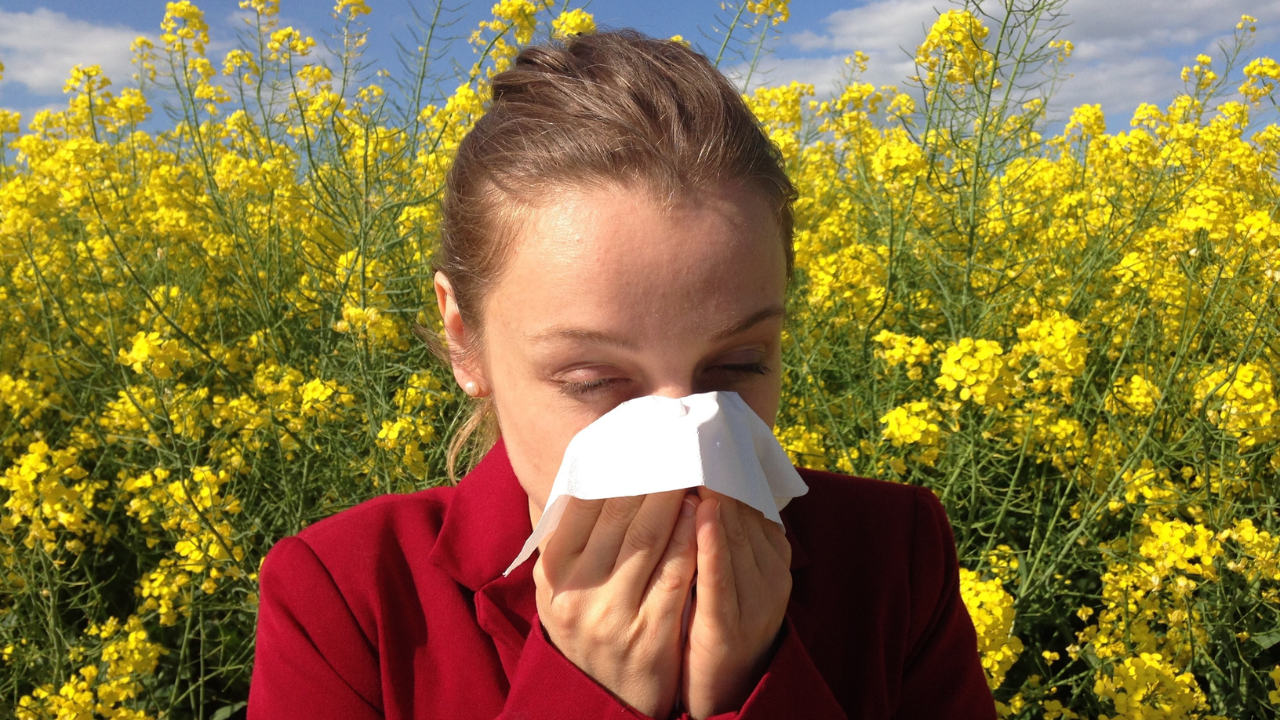
Pre-reading Questions:
I will read each question. Then, please answer them.
講師がそれぞれの質問を読むので答えましょう。
- Do you often go outside in warm weather?
- Do you check the weather before going out?
Vocabulary:
I will read the words, meanings, and sample sentences. Then, repeat after me.
単語、意味、例文を読みます。講師に続いて音読しましょう。
- allergy /AL-er-jee/
[noun] – a condition where the body reacts badly to something
An allergy can cause sneezing and itchy eyes in spring. - lead /leed/
[verb] – to cause something to happen
More pollen can lead to stronger allergy symptoms. - oak /ohk/
[noun] – a type of tree that can produce pollen
Oak is a common cause of allergies during spring. - advice /ad-VAHYS/
[noun] – a suggestion about what someone should do
Doctors give advice to reduce allergy symptoms. - react /ree-AKT/
[verb] – to respond to something
The body can react strongly to pollen in the air.
Article Reading:
Please read the whole article. Then, I will check your pronunciation and intonation.
記事を音読しましょう。講師はあなたの発音とイントネーションを確認します。
Seasonal allergies affect many people each year, especially in spring and summer when plants release pollen into the air. In the United States, health groups report more allergy cases because warmer weather makes plants grow longer. This leads to more pollen in the air and causes symptoms such as sneezing, coughing, and itchy eyes. The Asthma and Allergy Foundation of America says that cities like Boise, Tulsa, and Rochester have high allergy levels. Experts say climate change makes allergy seasons longer by helping plants grow more. Tree pollen from oak and birch is a common cause of allergies.Experts give advice to reduce allergy symptoms. People should try to avoid pollen by keeping windows closed and wearing long sleeves outside. It is also helpful to change clothes and take a shower after going outdoors. Doctors say nasal sprays can help when used correctly. Allergy pills can also help, but they may work more slowly. Some new treatments help the body react less to allergens over time. Pollen tracking tools give daily information, so people can decide the best time to go outside.
True or False:
Read the sentences and identify if they are true or false based on the article.
文章を読んで、記事に基づいて正誤を答えましょう。
- Seasonal allergies affect people mostly in winter.
- Plants release pollen into the air in spring and summer.
- Warmer weather makes plants grow for a shorter time.
- Climate change makes allergy seasons shorter.
- People should keep windows open to avoid pollen.
Fill in the Blanks:
Choose the correct word from the table, then fill in the blanks.
適切な言葉を選んで空欄を埋めましょう。
| allergy | lead | oak | advice | react |
- A food ______ can make a person feel sick after eating certain foods.
- An ______ grows tall and strong in many forests.
- The teacher gave ______ to help students improve their writing.
- Some people ______ to cold weather with dry skin.
- Lack of sleep can ______ to poor concentration in class.