Pre-reading Questions:
I will read each question. Then, please answer them.
- What do people usually use animal skins for?
- Why do governments sometimes protect wild animals?
Vocabulary:
I will read the words, meanings, and sample sentences. Then, repeat after me.
- inspect /in-SPEKT/
[verb] – to look at something carefully in order to discover information, especially about quality
Workers inspect products before they are sold. - legal /LEE-guhl/
[adjective] – allowed by law
The company follows legal rules for selling animal products. - species /SPEE-sheez/
[noun] – a group of animals or plants whose members are similar and can produce young animals or plants together
Scientists discovered a new species of frog in the forest. - release /ri-LEES/
[verb] – to allow a person or animal to go free
Wildlife workers release injured birds after treatment. - research /REE-surch/
[noun] – a detailed study of a subject, especially to discover new information
University teams conduct research about wildlife habitats.
Article Reading:
Please read the whole article. Then, I will check your pronunciation and intonation.
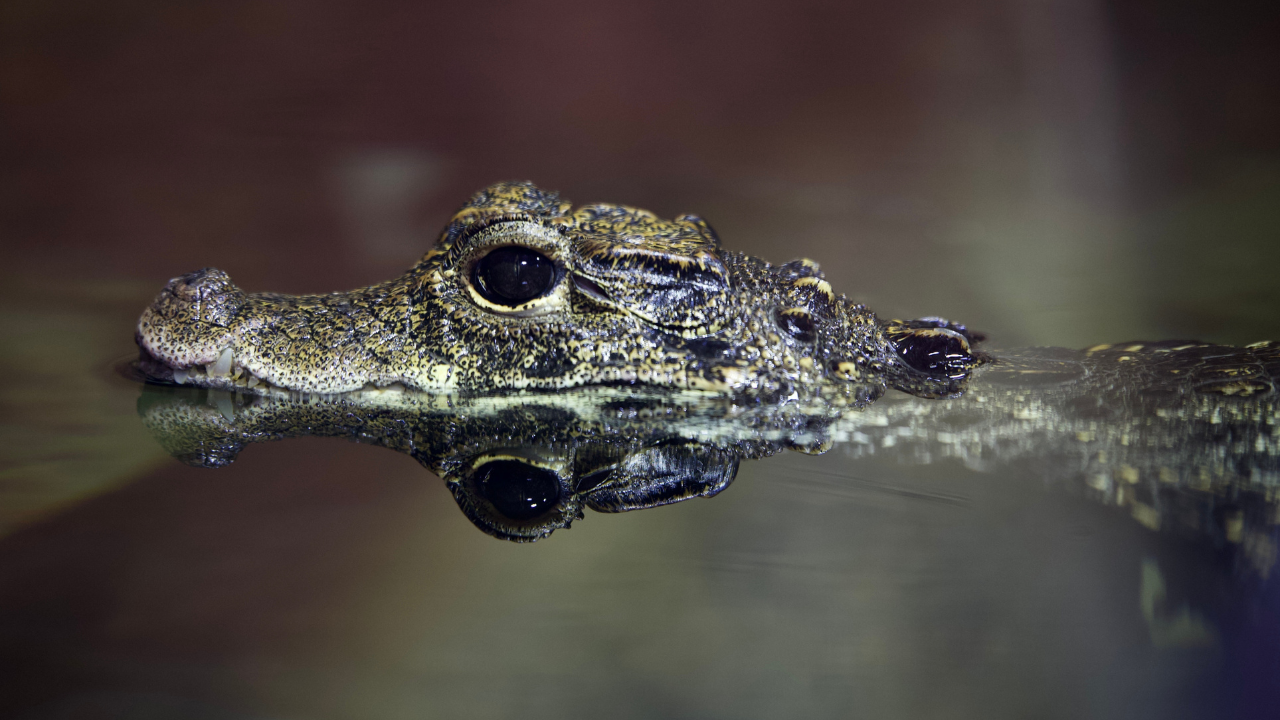
Workers at an alligator farm in Louisiana carefully inspect animal skins before sending them to companies that make luxury products such as boots and handbags. Each hide receives a tracking tag so authorities can confirm the products come from a legal source. Supporters say the farming system helps protect the alligator species, which once faced serious population decline. Farmers collect eggs from wetlands, raise young alligators on farms, and later return some animals to the wild. The program connects conservation efforts with the market for alligator leather.
The method began decades ago when wildlife experts searched for ways to rebuild alligator populations without banning trade completely. By allowing farms to raise animals and release some back into wetlands every year, officials believed people would see economic value in protecting habitats. Louisiana now produces hundreds of thousands of farmed alligators annually and estimates millions living in natural areas across the state. Scientists continue research about how these reptiles affect wetland ecosystems. Some studies suggest areas with many alligators may store more carbon in plants and soil, which could help slow climate change. However, critics still question whether farming wildlife for luxury goods is ethical or environmentally responsible.
The method began decades ago when wildlife experts searched for ways to rebuild alligator populations without banning trade completely. By allowing farms to raise animals and release some back into wetlands every year, officials believed people would see economic value in protecting habitats. Louisiana now produces hundreds of thousands of farmed alligators annually and estimates millions living in natural areas across the state. Scientists continue research about how these reptiles affect wetland ecosystems. Some studies suggest areas with many alligators may store more carbon in plants and soil, which could help slow climate change. However, critics still question whether farming wildlife for luxury goods is ethical or environmentally responsible.
Comprehension Questions:
I will read each question. Then, please answer them based on the article.
- Where do workers inspect alligator skins?
- Why do farms attach tracking tags to the skins?
- What problem did alligators face many years ago?
- How do farmers help increase wild alligator populations?
- What does Louisiana produce each year from alligator farms?
Discussion Questions:
I will read each question. Then, please answer them.
- Have you ever visited a wildlife park or animal farm? If so, what animals did you see? If not, would visiting one be interesting?
- Have you ever bought products made from animal leather? If so, what kind? If not, what alternatives could people use?
- Do you agree that farming animals can help protect wildlife populations?
- What are the advantages and disadvantages of selling animal products?
- How can governments balance wildlife protection and economic activities?