Vocabulary:
I will read the words, meanings, and sample sentences. Then, repeat after me.
- unprecedented /uhn-PRES-i-den-tid/
[adjective] – never having happened or existed before
The scientist described the discovery as unprecedented in modern astronomy. - swirling /SWUR-ling/
[adjective] – moving around quickly in a circular motion
The artist painted swirling clouds above the mountains. - surround /suh-ROUND/
[verb] – to be all around something on every side
Tall trees surround the small village. - antenna /an-TEN-uh/
[noun] – a device used for sending or receiving radio or television signals
The station installed a new antenna to improve communication. - evolved /ih-VOLVD/
[verb] – to develop gradually over a long period of time
Languages evolved as societies grew and changed.
Article Reading:
Please read the whole article. Then, I will check your pronunciation and intonation.
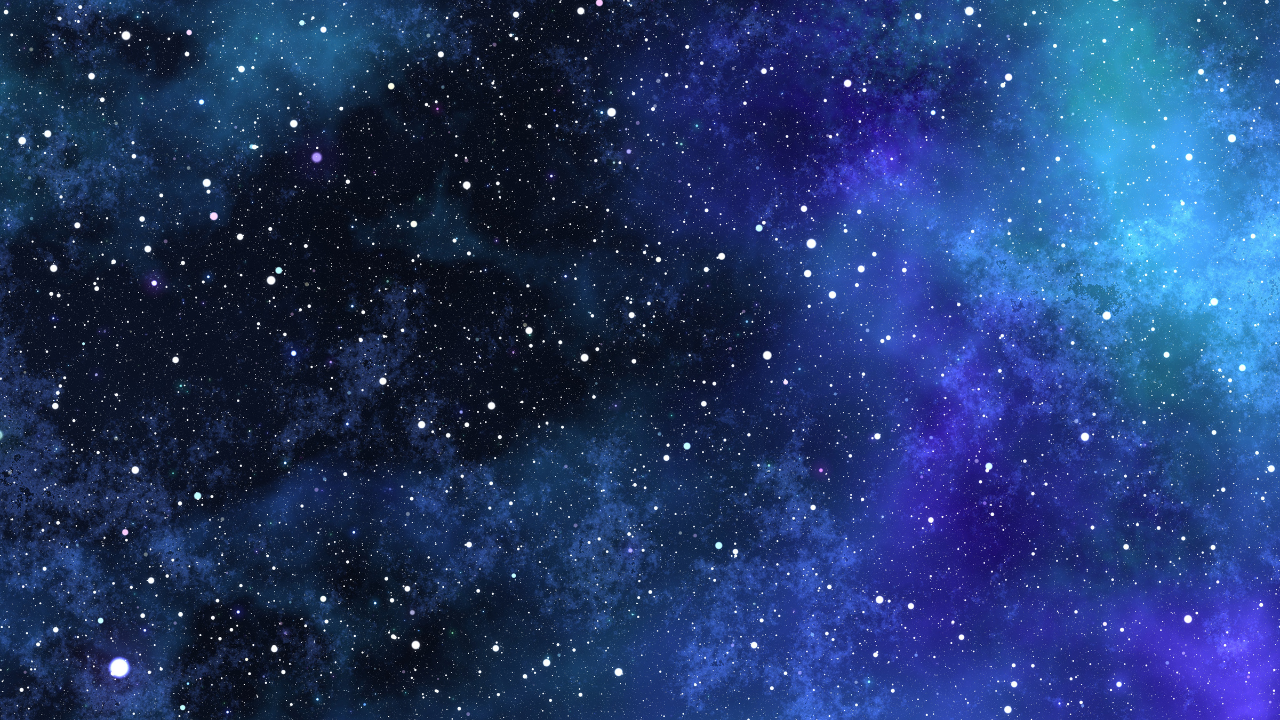
A powerful telescope in Chile has captured an unprecedented image of the center of the Milky Way galaxy, revealing swirling clouds of gas where new stars are forming. The image, released Wednesday by the European Southern Observatory, focuses on a vast region of cold cosmic gas stretching more than 650 light-years across near the galaxy’s core. Astronomers said the observation provides an extraordinary look at a turbulent area that plays an important role in star formation. The gases and dust surround the Milky Way’s supermassive black hole, located at the galactic center. Scientists consider the discovery significant because this region, known as the Central Molecular Zone, contains the raw materials needed to create future generations of stars.
The image was produced using the ALMA telescope array, a network of powerful radio dishes and antenna systems located in Chile’s Atacama Desert, one of the driest environments on Earth. By combining signals from many antennas, the observatory created the largest image ever recorded of this mysterious region. Survey leader Steve Longmore of Liverpool John Moores University explained that studying the Central Molecular Zone allows astronomers to examine how stars form under extreme conditions. Researchers believe such observations can help explain how galaxies gradually evolved over billions of years. The detailed map also reveals structures previously hidden from view, offering scientists new clues about the complex processes shaping the Milky Way and other galaxies across the universe today.
The image was produced using the ALMA telescope array, a network of powerful radio dishes and antenna systems located in Chile’s Atacama Desert, one of the driest environments on Earth. By combining signals from many antennas, the observatory created the largest image ever recorded of this mysterious region. Survey leader Steve Longmore of Liverpool John Moores University explained that studying the Central Molecular Zone allows astronomers to examine how stars form under extreme conditions. Researchers believe such observations can help explain how galaxies gradually evolved over billions of years. The detailed map also reveals structures previously hidden from view, offering scientists new clues about the complex processes shaping the Milky Way and other galaxies across the universe today.
Discussion Questions:
I will read each question. Then, please answer them.
- Have you ever seen images of space taken by powerful telescopes? If so, what impressed you about them? If not, what kind of space images would you like to see?
- Have you ever learned about how stars are formed? If so, where did you learn about it? If not, would you like to study astronomy in the future?
- Do you agree that exploring space helps scientists understand the history of the universe?
- What do you think is the most interesting object in space, such as stars, planets, or black holes?
- Why might scientists study distant galaxies to understand the future of the Milky Way?
Summarization:
Please summarize the whole article using your own words and expressions. You will have one minute to prepare before you answer.
Describe:
Please explain the definition of each word listed below based on your understanding. You can provide example sentences if needed.
- capture
- release
- region
- condition
- universe