Vocabulary:
I will read the words, meanings, and sample sentences. Then, repeat after me.
- pervasive /per-VEY-siv/
[adjective] – spreading widely and affecting many areas
The influence of social media has become pervasive, shaping trends in almost every country. - exploitation /ek-sploi-TEY-shuhn/
[noun] – the act of using something or someone unfairly for benefit
A new investigation revealed the exploitation of workers in several overseas factories. - sophisticated /suh-FIS-ti-key-tid/
[adjective] – advanced, complex, or well-developed
The museum installed a sophisticated climate-control system to protect valuable paintings. - irreversible /ir-i-VUR-suh-buhl/
[adjective] – impossible to change back or restore
Scientists warned that the melting of major ice sheets could cause irreversible changes to global sea levels. - intervention /in-ter-VEN-shuhn/
[noun] – action taken to improve or stop a situation
Medical intervention was required to stabilize the patient after the sudden breathing problem.
Article Reading:
Please read the whole article. Then, I will check your pronunciation and intonation.
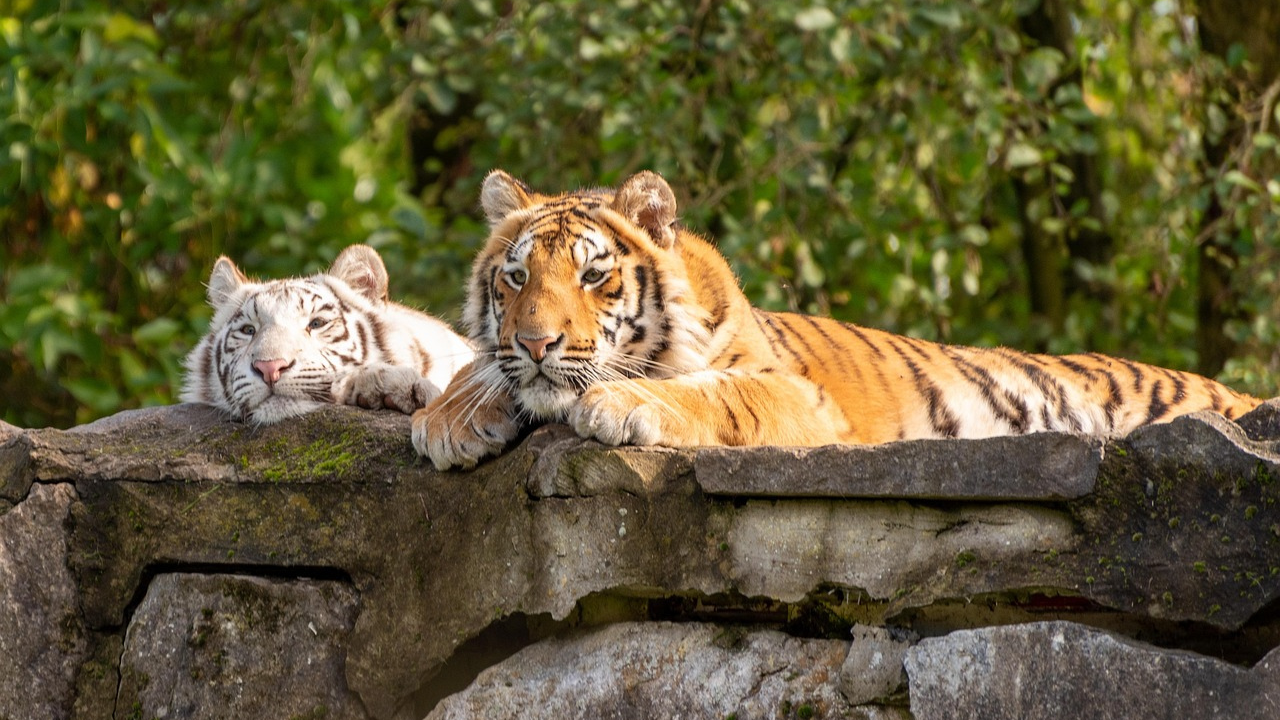
Global authorities reported a rising number of tiger seizures in recent years, showing a worsening illegal trade that continues to threaten the remaining wild population. Findings released on November 25, 2025, by TRAFFIC, an international wildlife trade monitoring network, indicated that an average of nine tigers per month were confiscated between 2020 and June 2025. These cases occurred mainly in the 13 countries that still hold wild tiger populations, including India, China, Indonesia, and Vietnam. The report stated that the global population has fallen from an estimated 100,000 a century ago to only 3,700 to 5,500 today. Analysts noted that the demand for skins, bones, claws, and live animals has created a pervasive market that fuels continuous exploitation across multiple regions.
TRAFFIC’s study explained that trafficking groups have adopted more sophisticated methods, pushing enforcement agencies to strengthen operations through coordinated, intelligence-led investigations. The report documented more than 2,500 seizures from 2000 to mid-2025, representing at least 3,808 tigers. Experts observed a major shift: whole carcasses and live animals now represent a significant share of confiscated items, increasing from about 10 percent in the 2000s to nearly 40 percent since 2020. Specialists suggested that captive-breeding facilities may be intensifying the problem by supplying animals that later enter illegal markets. Conservation groups warned that the trend has become formidable and may lead to irreversible ecological effects without stronger intervention. The analysis emphasized that the continuing trade poses a critical risk to tiger survival and requires sustained cooperation among governments to disrupt the networks responsible.
TRAFFIC’s study explained that trafficking groups have adopted more sophisticated methods, pushing enforcement agencies to strengthen operations through coordinated, intelligence-led investigations. The report documented more than 2,500 seizures from 2000 to mid-2025, representing at least 3,808 tigers. Experts observed a major shift: whole carcasses and live animals now represent a significant share of confiscated items, increasing from about 10 percent in the 2000s to nearly 40 percent since 2020. Specialists suggested that captive-breeding facilities may be intensifying the problem by supplying animals that later enter illegal markets. Conservation groups warned that the trend has become formidable and may lead to irreversible ecological effects without stronger intervention. The analysis emphasized that the continuing trade poses a critical risk to tiger survival and requires sustained cooperation among governments to disrupt the networks responsible.
Discussion Questions:
I will read each question. Then, please answer them.
- Have you ever visited a zoo or wildlife park where you saw tigers or other endangered animals? If so, what did you feel when you saw them up close? If not, what wild animal would you like to see in the future and why?
- Have you ever learned about illegal wildlife trade from school or the news? If so, what part surprised you the most? If not, what animal issue would you like to learn more about?
- Do you agree that governments should work together more closely to stop illegal tiger trade?
- Why do you think the demand for tiger skins, bones, and live animals continues even though tigers are endangered?
- What actions do you think ordinary people can take to help protect endangered animals?
Summarization:
Please summarize the whole article using your own words and expressions. You will have one minute to prepare before you answer.
Describe:
Please explain the definition of each word listed below based on your understanding. You can provide example sentences if needed.
- wild
- population
- case
- region
- illegal market