Vocabulary:
I will read the words, meanings, and sample sentences. Then, repeat after me.
- hatchery /HACH-uh-ree/
[noun] – a place where eggs are kept warm and cared for until the young animals are born
After the storm damaged the building, the hatchery reduced its production for several weeks. - variability /vair-ee-uh-BIL-i-tee/
[noun] – the state of changing or being different in amount, level, or form
Farmers worried about the variability of crop prices throughout the year. - wholesale /HOHL-seyl/
[adjective] – relating to the sale of goods in large amounts, usually to stores and businesses
Wholesale vegetable prices increased after bad weather affected farms in the region. - drought /drout/
[noun] – a long period of very little or no rain that harms water supply and crops
Because of the drought, several towns asked residents to limit their use of water. - volatile /VOL-uh-tl/
[adjective] – likely to change suddenly and unpredictably
The price of gasoline became volatile after changes in global trade policies.
Article Reading:
Please read the whole article. Then, I will check your pronunciation and intonation.
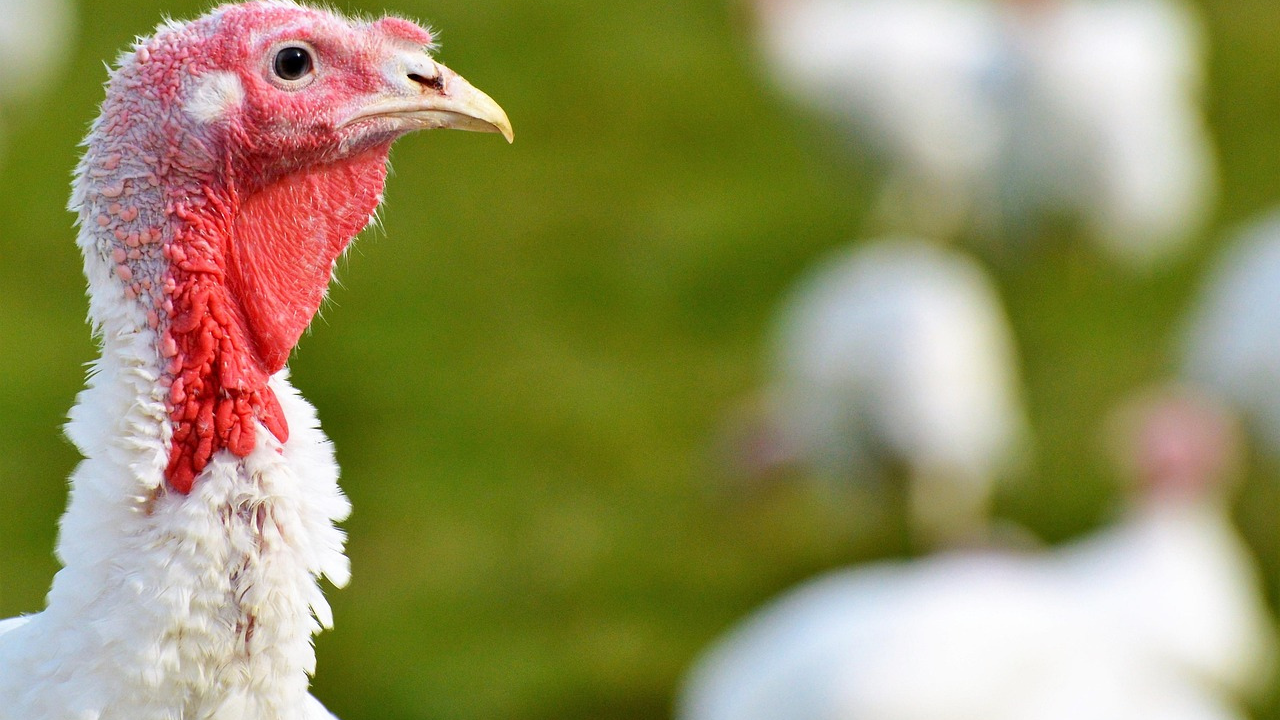
A poultry farm west of Detroit reported stable operations during the recent Thanksgiving season despite widespread challenges affecting turkey producers across the United States. Old Brick Farm, managed by Larry Doll, avoided recent outbreaks of bird flu and avian metapneumovirus, two diseases that have significantly reduced national turkey numbers. The United States Department of Agriculture confirmed that the turkey population fell to a 40-year low after more than two million turkeys died in the last three months. As a result, hatcheries had limited availability, and orders for turkey chicks were delayed until July. Market research company Datasembly estimated that the cost of 11 common Thanksgiving foods reached $58.81 as of November 17, showing a 4.1 percent increase from the previous year. Additional analyses from the American Farm Bureau Federation and the Wells Fargo Agri-Food Institute produced different price estimates, reflecting the variability of retail promotions and store-brand strategies.
Industry specialists explained how various factors intensified production pressures. Analysts noted that wholesale turkey prices increased sharply, with frozen hens averaging $1.77 per pound, an 81 percent rise from the previous year. Experts linked these increases to avian viruses, higher beef prices, and the resulting shift in consumer demand. Economists also highlighted that tariffs on imported steel and aluminum elevated the price of canned goods, causing a marked rise in the cost of cranberry products. Agricultural organizations added that drought conditions in Massachusetts reduced cranberry yields by 9 percent, while dry weather in Illinois improved pumpkin quality and kept canned pumpkin prices lower. Despite these complexities, grocery chains launched extensive promotions to attract consumers, illustrating a competitive and volatile market shaped by biological, economic, and environmental forces.
Industry specialists explained how various factors intensified production pressures. Analysts noted that wholesale turkey prices increased sharply, with frozen hens averaging $1.77 per pound, an 81 percent rise from the previous year. Experts linked these increases to avian viruses, higher beef prices, and the resulting shift in consumer demand. Economists also highlighted that tariffs on imported steel and aluminum elevated the price of canned goods, causing a marked rise in the cost of cranberry products. Agricultural organizations added that drought conditions in Massachusetts reduced cranberry yields by 9 percent, while dry weather in Illinois improved pumpkin quality and kept canned pumpkin prices lower. Despite these complexities, grocery chains launched extensive promotions to attract consumers, illustrating a competitive and volatile market shaped by biological, economic, and environmental forces.
Discussion Questions:
I will read each question. Then, please answer them.
- Have you ever experienced a time when food became more expensive in your area? If yes, what did you or your family do to adjust? If not, how do you think people usually deal with higher food prices?
- Have you ever visited a farm or learned about how animals are raised for food? If yes, what did you notice or learn from that experience? If not, would you like to visit one? Why or why not?
- Do you agree that weather conditions have a big impact on food prices?
- What do you think grocery stores can do to help customers when food prices increase?
- Which factor in the article—diseases, tariffs, or weather—do you think has the strongest impact on food prices? Why?
Summarization:
Please summarize the whole article using your own words and expressions. You will have one minute to prepare before you answer.
Describe:
Please explain the definition of each word listed below based on your understanding. You can provide example sentences if needed.
- farm
- season
- challenge
- producer
- economic