Vocabulary:
I will read the words, meanings, and sample sentences. Then, repeat after me.
- vulnerable /VUHL-ner-uh-buhl/
[adjective] – weak and easily harmed
The coral reef became more vulnerable to bleaching after pollution reduced the water’s natural balance. - mitigate /MIT-i-geyt/
[verb] – to make something less harmful or serious
The city added more trees to mitigate the high temperatures during summer. - substantial /suhb-STAN-shuhl/
[adjective] – large in amount
The company invested a substantial amount of money in new equipment. - subsequent /SUHB-si-kwuhnt/
[adjective] – happening after something else
The school upgraded its computers, and the subsequent software updates made the system run faster. - adherence /ad-HEER-uhns/
[noun] – the act of following a rule, plan, or belief
Strict adherence to the schedule allowed the project to finish on time.
Article Reading:
Please read the whole article. Then, I will check your pronunciation and intonation.
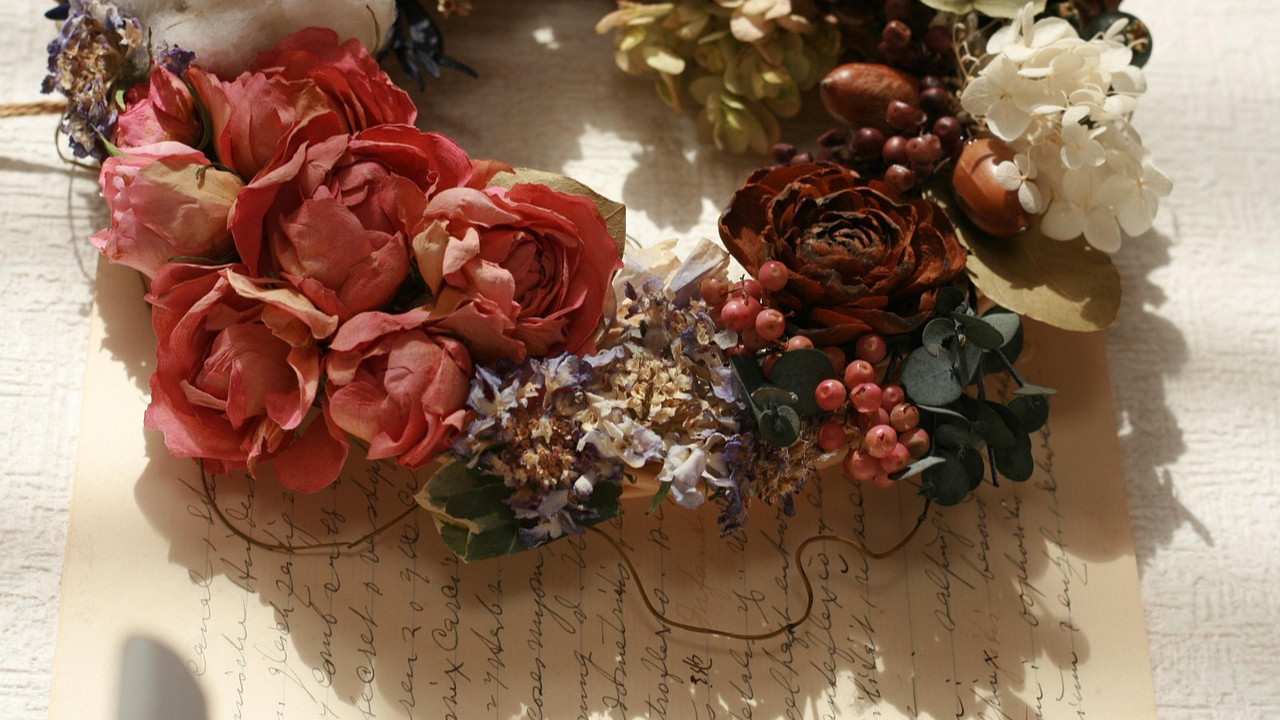
A rising interest in sustainable wedding practices has encouraged more couples to explore alternatives to imported flowers, and a recent example in October in Calgary, Canada, demonstrated how local efforts can reduce environmental impact. In this case, a bride prepared wedding flowers in a front-yard garden after planting yarrow, feverfew, strawflowers, and statice in early spring and drying them in midsummer. The event showed what was done, when the preparations began, where the activity took place, and why the decision mattered, as experts explained that many flowers sold in North America are transported from South America by air. Researchers stated that this global supply chain carries environmental repercussions because long-distance shipping requires refrigeration, plastic packaging, and fuel. Sustainability specialists also noted that some large farms rely on monoculture, which removes natural vegetation and weakens soil health, making the land more vulnerable to pests and erosion.
The shift toward local and seasonal flowers has grown stronger as younger generations seek environmentally responsible options for events. Florists in several regions have adopted new methods, such as avoiding non-biodegradable foam, composting old arrangements, and supporting small farms that use climate-appropriate practices to help mitigate ecological damage. Analysts reported that customers can save substantial amounts when choosing homegrown or locally sourced flowers, especially when dried arrangements last longer and allow subsequent reuse for other ceremonies. Industry observers added that this approach reduces waste and encourages stronger connections between celebrations and regional plant life. Sustainability advocates concluded that adherence to local, seasonal choices may influence broader consumer behavior, creating long-term benefits for communities, small growers, and the environment.
The shift toward local and seasonal flowers has grown stronger as younger generations seek environmentally responsible options for events. Florists in several regions have adopted new methods, such as avoiding non-biodegradable foam, composting old arrangements, and supporting small farms that use climate-appropriate practices to help mitigate ecological damage. Analysts reported that customers can save substantial amounts when choosing homegrown or locally sourced flowers, especially when dried arrangements last longer and allow subsequent reuse for other ceremonies. Industry observers added that this approach reduces waste and encourages stronger connections between celebrations and regional plant life. Sustainability advocates concluded that adherence to local, seasonal choices may influence broader consumer behavior, creating long-term benefits for communities, small growers, and the environment.
Discussion Questions:
I will read each question. Then, please answer them.
- Have you ever joined a wedding that used simple or natural decorations? If so, what did you notice about the decorations? If not, what kind of decorations do you think would look nice at a wedding?
- Have you ever tried growing flowers or plants at home? If so, what did you grow, and how did you take care of it? If not, what kind of plant would you like to grow in the future?
- Do you agree that using local flowers can help reduce environmental problems?
- What are some possible benefits for a community when people choose locally grown flowers instead of imported ones?
- In your opinion, what might encourage more people to choose seasonal and local flowers for events?
Summarization:
Please summarize the whole article using your own words and expressions. You will have one minute to prepare before you answer.
Describe:
Please explain the definition of each word listed below based on your understanding. You can provide example sentences if needed.
- environmental impact
- midsummer
- transport
- generation
- method