©(AP Photo/James Brooks)
Vocabulary:
I will read the words, meanings, and sample sentences. Then, repeat after me.
- stability /stuh-BIL-i-tee/
[noun] – the state of being steady and not changing suddenly
The company worked hard to improve financial stability after a difficult year. - scrutinize /SKROOT-n-ahyz/
[verb] – to examine something very carefully
The manager will scrutinize the report before making a final decision. - proliferation /pruh-lif-uh-REY-shuhn/
[noun] – a rapid increase in number
The proliferation of online shops has changed how people buy clothes. - implication /im-pli-KEY-shuhn/
[noun] – a possible effect or result of an action
The new law has serious implications for small businesses. - autonomous /aw-TON-uh-muhs/
[adjective] – able to operate or make decisions without human control
Autonomous systems can perform tasks without direct control from people.
Article Reading:
Please read the whole article. Then, I will check your pronunciation and intonation.
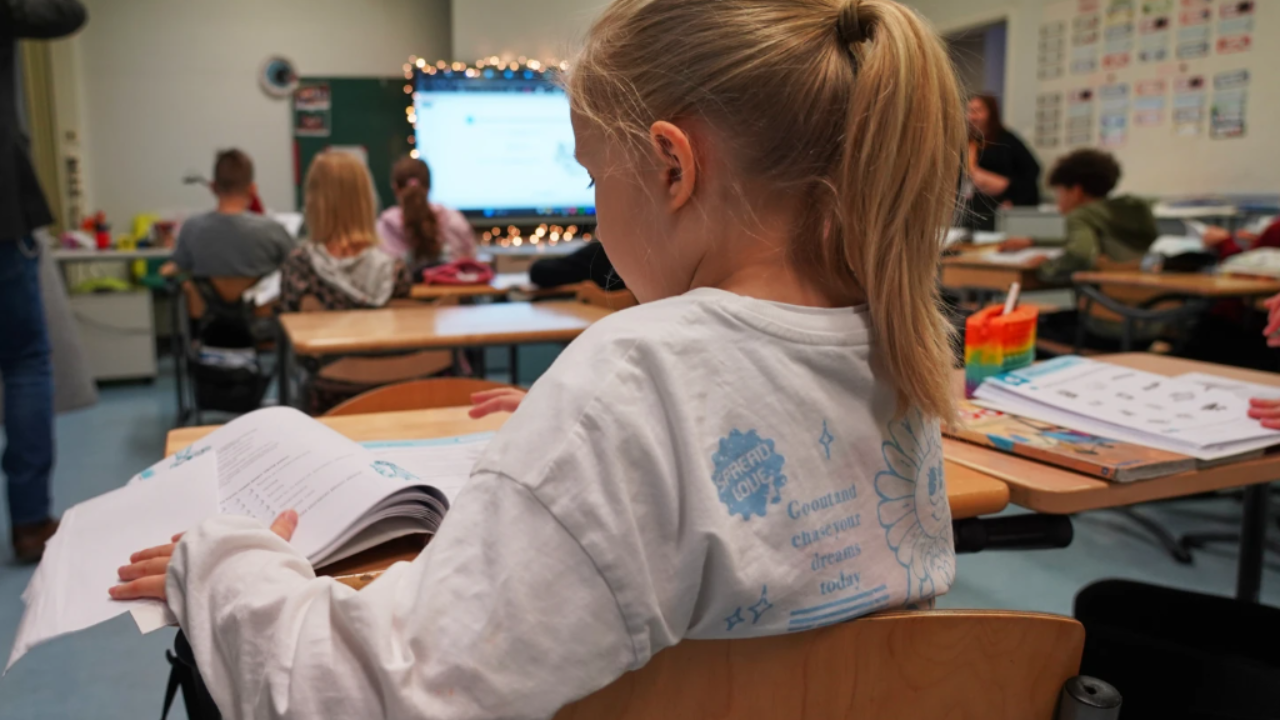
Finland has developed a long-term approach to fighting fake news by teaching media literacy from early childhood. Since the 1990s, media education has been part of the national school curriculum, with lessons starting in preschool classrooms. The program operates nationwide, including schools in Helsinki and other cities, and focuses on helping students understand news, advertising, and online information. The policy gained stronger attention after 2022, when the war in Ukraine increased concerns about disinformation in Europe, and after Finland joined NATO in 2023. Officials stated that the goal is to protect democracy and social stability by strengthening public resilience against false or misleading claims. Finland, a country of about 5.6 million people, regularly ranks first in the European Media Literacy Index, which measures how well countries respond to misinformation. Experts have linked this success to consistent education and cooperation between schools, media organizations, and public institutions.
In classrooms, students learn how to check sources, compare headlines, and question images shared online. Teachers explain methods used to scrutinize news stories, including identifying emotional language and missing information. Recent lessons also address artificial intelligence, as the proliferation of AI-generated images and videos has increased online risks. Media companies support schools through programs such as Newspaper Week, which provides free access to verified news. Researchers from security centers in Helsinki warned that future AI tools may create more convincing false content, increasing the implications for public trust. At the same time, specialists noted that early education can limit long-term risks by building critical thinking skills. Finland has also expanded media courses for adults, especially older citizens, to address challenges linked to digital change and increasingly autonomous technologies.
In classrooms, students learn how to check sources, compare headlines, and question images shared online. Teachers explain methods used to scrutinize news stories, including identifying emotional language and missing information. Recent lessons also address artificial intelligence, as the proliferation of AI-generated images and videos has increased online risks. Media companies support schools through programs such as Newspaper Week, which provides free access to verified news. Researchers from security centers in Helsinki warned that future AI tools may create more convincing false content, increasing the implications for public trust. At the same time, specialists noted that early education can limit long-term risks by building critical thinking skills. Finland has also expanded media courses for adults, especially older citizens, to address challenges linked to digital change and increasingly autonomous technologies.
Discussion Questions:
I will read each question. Then, please answer them.
- Have you ever seen news online that you were not sure was true? If so, how did you check whether it was real or fake? If not, what do you usually trust when you read news online?
- Have you learned at school how to check news or online information? If so, what kind of skills did your teacher teach you? If not, what skills do you think students should learn at school?
- Do you agree that adults, especially older people, should also learn media literacy skills?
- What problems could happen in society if people cannot tell real news from false information?
- How can cooperation between schools and media companies help improve public trust in news?
Summarization:
Please summarize the whole article using your own words and expressions. You will have one minute to prepare before you answer.
Describe:
Please explain the definition of each word listed below based on your understanding. You can provide example sentences if needed.
- fake news
- education
- early childhood
- nationwide
- cooperation