©AP Photo/Leo Correa
Vocabulary:
I will read the words, meanings, and sample sentences. Then, repeat after me.
- systematic /sis-tuh-MAT-ik/
[adjective] – done according to a fixed plan or method
The excavation followed a systematic research design. - congruent /KONG-groo-uhnt/
[adjective] – consistent or matching with something else
The findings were congruent with historical writings. - sovereignty /SOV-rin-tee/
[noun] – supreme authority or power
The palace symbolized political sovereignty. - fortification /Pronunciation: /for-tuh-fi-KAY-shuhn//
[noun] – Meaning: a defensive wall or structure
The fortification protected the ancient city. - unprecedented /uhn-PRES-i-den-tid/
[adjective] – never done or known before
The length of the wall was unprecedented.
Article Reading:
Please read the whole article. Then, I will check your pronunciation and intonation.
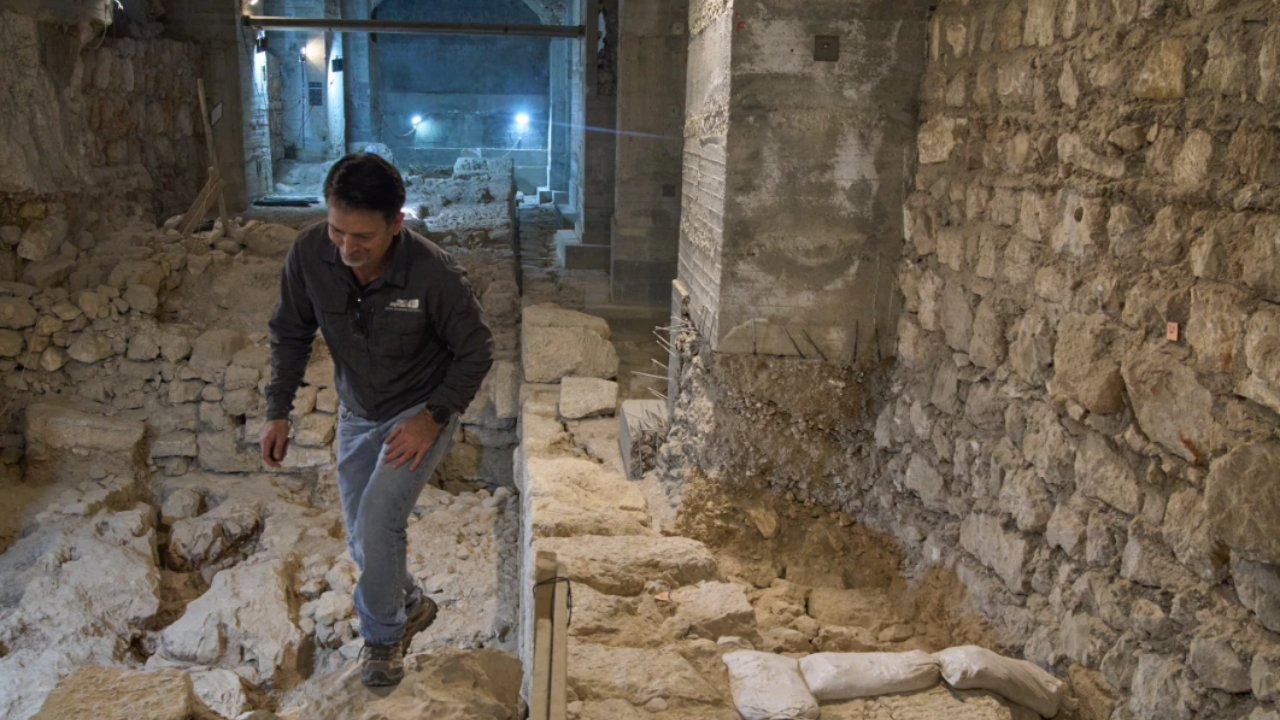
Archaeologists completed the excavation of the longest uninterrupted section of an ancient defensive wall surrounding Jerusalem last December, revealing physical evidence that may confirm a ceasefire recorded more than 2,100 years ago. The discovery occurred beneath the historic Kishleh compound near the Tower of David, where researchers uncovered a nearly 50-meter foundation linked to the Hasmonean Kingdom. Scholars stated that the wall dates to the period following the events commemorated during Hanukkah, when Judean forces reclaimed the city from foreign control. The find has drawn international attention because the structure appears to have been deliberately dismantled, suggesting a political decision rather than destruction caused by conflict or decay.
Researchers explained that the wall foundation shows signs of systematic removal to a uniform height, indicating intentional action under official authority. Ancient texts describe a siege led by Antiochus VII that ended with a negotiated settlement requiring the Hasmonean ruler to dismantle Jerusalem’s fortifications. Archaeological evidence now appears congruent with those historical accounts, offering rare alignment between material remains and written records. Some experts, however, propose an alternative explanation, noting that later rulers may have removed sections to construct new royal complexes, reinforcing their sovereignty over the city. The excavation also revealed medieval industrial features and prison remnants from the Ottoman and British periods, underscoring Jerusalem’s layered past. Museum officials said the site will be preserved beneath a glass floor, allowing visitors to observe how fortification strategies and political authority evolved over centuries. Specialists described the discovery as unprecedented in scale for this era, strengthening understanding of how diplomacy, warfare, and urban planning intersected in ancient Jerusalem.
Researchers explained that the wall foundation shows signs of systematic removal to a uniform height, indicating intentional action under official authority. Ancient texts describe a siege led by Antiochus VII that ended with a negotiated settlement requiring the Hasmonean ruler to dismantle Jerusalem’s fortifications. Archaeological evidence now appears congruent with those historical accounts, offering rare alignment between material remains and written records. Some experts, however, propose an alternative explanation, noting that later rulers may have removed sections to construct new royal complexes, reinforcing their sovereignty over the city. The excavation also revealed medieval industrial features and prison remnants from the Ottoman and British periods, underscoring Jerusalem’s layered past. Museum officials said the site will be preserved beneath a glass floor, allowing visitors to observe how fortification strategies and political authority evolved over centuries. Specialists described the discovery as unprecedented in scale for this era, strengthening understanding of how diplomacy, warfare, and urban planning intersected in ancient Jerusalem.
Discussion Questions:
I will read each question. Then, please answer them.
- What historical discoveries have been seen in the community, if any? If so, what impact followed? If not, what discoveries would be meaningful?
- What preserved heritage sites have been visited, if any? If so, what stood out? If not, what sites seem interesting?
- Should ancient sites be preserved even if modern development slows?
- How does archaeology influence national identity?
- Why might leaders remove strong defenses intentionally?
Summarization:
Please summarize the whole article using your own words and expressions. You will have one minute to prepare before you answer.
Describe:
Please explain the definition of each word listed below based on your understanding. You can provide example sentences if needed.
- defensive
- attention
- evidence
- beneath
- discovery